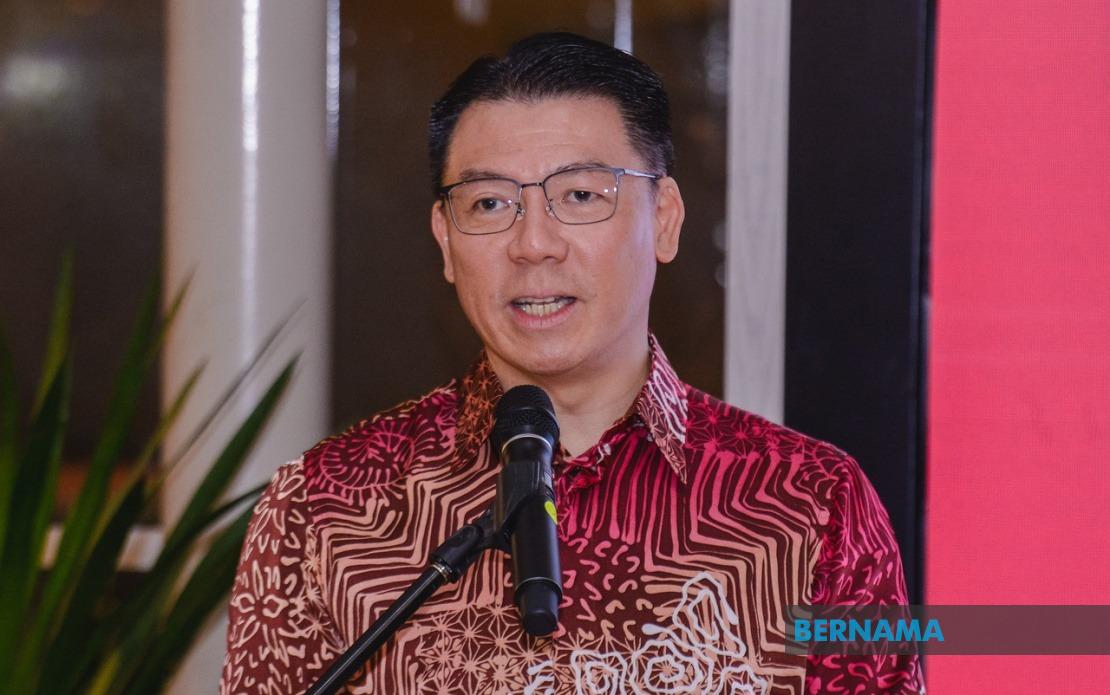
The Malaysian government is rolling out a significant housing incentive during the ASEAN Real Estate Conference (AREC) 2026, scheduled for late July at the Malaysia International Trade and Exhibition Centre (MITEC), offering homebuyers a 10 per cent discount on property purchases. Housing and Local Government Minister Nga Kor Ming unveiled the initiative, which represents a collaborative effort between the ministry and the Real Estate and Housing Developers' Association Malaysia (REHDA) to reduce the financial barriers facing property purchasers. The discount specifically targets the deposit requirement under the Sale and Purchase Agreement, which typically demands 10 per cent upfront—a substantial hurdle for middle and lower-income Malaysians navigating an increasingly expensive property market.
The four-day conference, opening on July 29 and closing on August 1, will feature a comprehensive programme encompassing forums, business matching sessions, and an expansive exhibition. Prime Minister Datuk Seri Anwar Ibrahim is expected to officially launch the conference, lending significant political weight to an event projected to catalyse RM1.5 billion in property transactions. This scale of activity underscores the government's commitment to using marquee events as platforms for announcing housing policy initiatives and connecting developers with buyers at scale.
Beyond the purchase discount, the government has introduced the Rahmah Cement initiative, a supply-side intervention designed to combat rising construction costs that have persistently squeezed developer margins and translated into higher end-user prices. The programme commits 1.6 million metric tonnes of cement to developers constructing affordable housing, effectively subsidising a critical input cost. This dual approach—combining demand-side incentives through purchase discounts with supply-side support through material subsidies—reflects a comprehensive strategy to maintain housing affordability amid inflationary pressures affecting the construction sector.
Minister Nga articulated the philosophical underpinning of these measures through the government's housing slogan, "Rumahku, Syurgaku" (My Home, My Heaven), emphasising that homeownership should be a genuine right rather than an aspirational luxury. This framing positions housing not merely as a commodity or investment asset but as a fundamental necessity and source of personal well-being. The emphasis on quality alongside affordability suggests the government recognises that solving Malaysia's housing crisis requires ensuring both accessibility and standards—an important distinction given historical concerns about the quality of affordable housing developments.
Malaysia's domestic property sector demonstrated considerable international competitiveness at the FIABCI World Prix d'Excellence Awards 2026, capturing the overall champion title with 14 accolades comprising eight gold medals and six silver medals across diverse categories. The gold medal winners represented a cross-section of Malaysia's property development landscape: Park Regent @ Desa ParkCity dominated the high-rise residential category, The Mansions @ ParkCity Hanoi showcased excellence in low-rise residential development, while the mixed-use sector was represented by Sunway Velocity Two (Phase 1). Notably, Merdeka 118 secured recognition for both office excellence and sustainable development, reflecting growing international emphasis on environmental and social governance in real estate.
The breadth of Malaysian successes across retail (Elmina Lakeside Mall), master planning (Gamuda Gardens), and mid-rise development (Diamond Precinct, Vietnam) illustrates that domestic developers excel across the entire value chain rather than specialising narrowly. This diversification carries strategic significance, as it suggests Malaysian firms possess versatile capabilities and can adapt to varied market conditions and regulatory environments. The achievement becomes even more impressive contextualised against the competition: Malaysia has accumulated 135 gold medals since the awards' inception in 1992, establishing a strong historical track record of international recognition.
The international expansion of Malaysian property firms validates the minister's assertion that domestic success translates into competitive advantage abroad. ParkCity Group's operations in Vietnam, SP Setia's Australian presence, OSK Property's establishment in Melbourne, and EcoWorld's London footprint demonstrate that Malaysian developers have successfully navigated foreign regulatory frameworks, understood local market dynamics, and competed effectively against established regional and global players. These overseas ventures generate foreign exchange earnings, create employment opportunities for Malaysian professionals in international markets, and enhance the nation's global brand reputation in an increasingly sophisticated industry.
The timing of these announcements reflects deliberate policy sequencing. The conference itself serves as a venue for announcing the 10 per cent discount, generating immediate media attention and public awareness of the incentive. Simultaneously, Prime Minister Anwar Ibrahim will launch the National Housing Policy on July 30, providing a comprehensive policy framework that contextualises individual initiatives within a broader strategic vision. This sequencing ensures that short-term incentives gain public prominence while longer-term policy architecture receives appropriate attention from industry stakeholders and policymakers alike.
For Malaysian homebuyers, particularly first-time purchasers and those in the middle-income bracket, the 10 per cent discount represents a meaningful reduction in upfront capital requirements. In practical terms, a property valued at RM500,000 would require a RM50,000 deposit under standard arrangements; the discount reduces this to RM45,000, freeing capital for other expenses such as legal fees, surveys, and moving costs that frequently strain buyer finances. For developers and the broader industry, the conference and discount scheme generate sales momentum and provide a showcase for new projects, potentially accelerating market absorption rates during a period when property sentiment requires bolstering.
The Rahmah Cement initiative addresses structural cost pressures that have constrained affordable housing supply. By subsidising cement—a fundamental construction material representing a significant proportion of building costs—the government directly reduces the cost of production without requiring developers to absorb losses or cut corners on quality. The 1.6 million metric tonnes allocation, while substantial, indicates the scale of affordable housing construction the government anticipates supporting, suggesting confidence in developer participation and market responsiveness to the combined incentive package.
These initiatives must be evaluated within Malaysia's broader housing affordability context. The median property price in major urban centres has risen substantially faster than median household incomes, creating a growing gap between purchasing capacity and market prices. Younger Malaysians entering the property market face significantly more challenging conditions than their parents' generation, with deposit requirements consuming a larger proportion of savings and mortgage servicing costs claiming higher percentages of household income. The government's interventions attempt to address this squeeze through targeted incentives rather than price controls, reflecting market-oriented policy preferences while acknowledging that purely market mechanisms have failed to deliver sufficient affordable supply.
Regional implications extend beyond Malaysia's borders. ASEAN nations collectively face housing affordability challenges, and Malaysian policy innovations may influence regional policy discussions. The conference itself provides a platform for knowledge exchange, with practitioners from across ASEAN observing Malaysian approaches and potentially adapting successful models domestically. Malaysia's international developer successes simultaneously position the nation as an attractive destination for investment and technical partnerships, potentially strengthening its position within regional real estate networks and investment flows.
The convergence of supply-side support through the Rahmah Cement initiative, demand-side incentives through purchase discounts, and policy articulation through the National Housing Policy represents a coherent albeit multifaceted approach to housing affordability. Success will depend on execution—ensuring that cement allocations reach intended projects, that discounts translate into actual price reductions rather than developer margin expansion, and that the National Housing Policy provides regulatory clarity encouraging sustained developer participation. The AREC 2026 conference thus represents not merely an industry event but a critical juncture for demonstrating government commitment to housing solutions and monitoring whether policy intentions translate into tangible improvements in housing accessibility for ordinary Malaysians.

