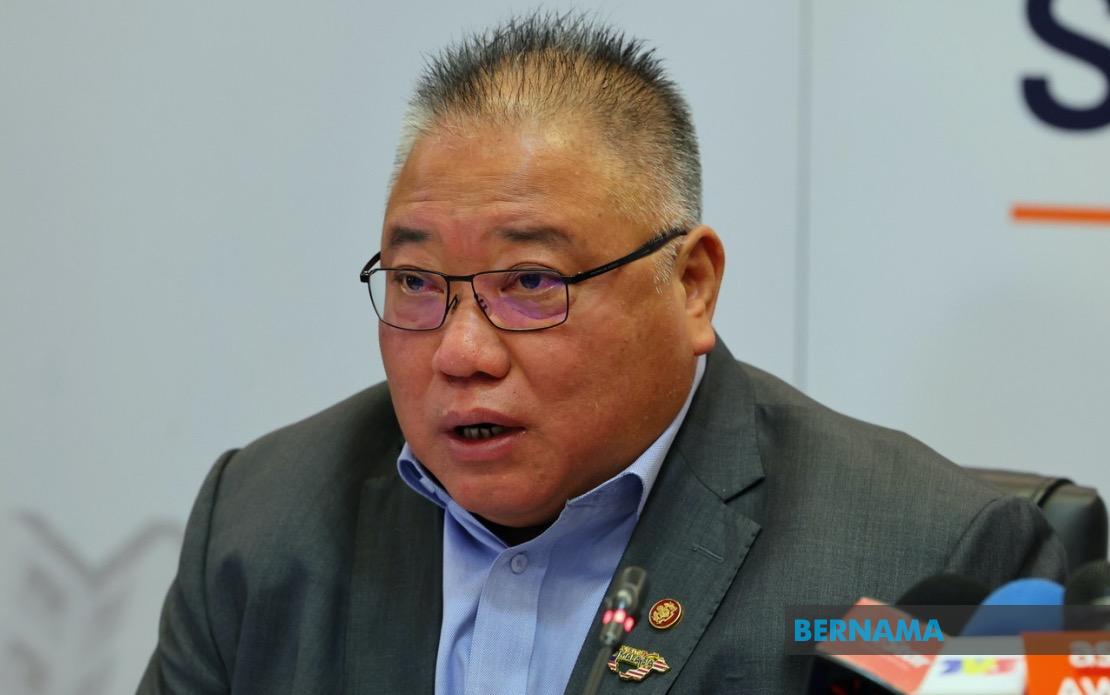
A significant security gap in Malaysia's aviation sector has been exposed following the detention of a Malaysia Airlines co-pilot in Indonesia on drug smuggling charges, prompting the country's Tourism, Arts and Culture Minister to demand urgent systemic reforms. Datuk Seri Tiong King Sing has called on aviation authorities and relevant agencies to conduct a thorough reassessment of screening procedures and flight crew security protocols to prevent similar incidents and maintain public confidence in the nation's air transport safety standards.
The incident, which unfolded on July 29 when a 39-year-old pilot was arrested at Jakarta's Soekarno-Hatta International Airport, involved allegations of attempting to smuggle a substantial quantity of narcotics, including more than 70,000 ecstasy pills weighing 25 kilogrammes. The individual had arrived on Malaysia Airlines flight MH727 from Kuala Lumpur, where he was intercepted at Terminal 3 and detained by Indonesian authorities. This occurrence has raised alarm bells among policymakers and industry observers about the adequacy of current vetting mechanisms for personnel responsible for transporting hundreds of passengers across international borders.
The Malaysia Aviation Group's initial response to the affair, which emphasized that the detained co-pilot was not operating the aircraft on the day in question, has drawn criticism from Tiong for failing to address the substance of public concerns. Rather than reassuring passengers, the company's statement appeared to sidestep the core issue and give an impression of minimizing the severity of the situation. Tiong argued that the traveling public and potential visitors are fundamentally troubled not by operational scheduling questions, but by the documented positive drug test result and the underlying weaknesses in crew monitoring systems that the case has revealed.
Tiong characterized the airline's response as symptomatic of a "denial syndrome," suggesting that Malaysia Aviation Group has prioritized defending its operational integrity over acknowledging legitimate safety gaps and implementing corrective measures. This defensive posture, he contended, undermines rather than reinforces passenger and international tourist confidence in Malaysia's aviation standards. For a nation that depends significantly on tourism revenue and positions itself as a safe, reliable destination for global travelers, such reputational considerations carry substantial economic weight.
The minister has articulated a detailed set of recommendations for strengthening crew vetting protocols across the industry. He has proposed that airlines, regulatory bodies, and law enforcement's narcotics division collaborate to establish and enforce significantly tighter screening procedures for all pilots and cabin personnel. Under his suggested framework, crew members would be required to report for duty up to two hours earlier than current practice to undergo comprehensive screening assessments, with clearance mandatory before commencing work. This approach would transform pre-duty screening from a perfunctory administrative step into a genuinely rigorous gatekeeping mechanism.
Beyond flight crew oversight, Tiong has recommended that airport security infrastructure itself be subjected to comprehensive audit. This assessment should encompass screening procedures, technical equipment capabilities, and the coordination mechanisms between various agencies operating within terminal facilities. The goal would be to identify and rectify any systemic vulnerabilities that could allow prohibited substances or dangerous individuals to breach security checkpoints. For Malaysia, which has invested in positioning itself as a premium aviation hub in Southeast Asia, such proactive security enhancements carry strategic importance.
The timing of Tiong's intervention follows Malaysia Aviation Group's announcement on August 7 that mandatory drug screening would be implemented for all 1,260 Malaysia Airlines pilots, with intensified checks applied to all active flight personnel. While this response acknowledges the severity of the situation, Tiong's position suggests that industry self-regulation alone may be insufficient without government coordination and enforcement mechanisms. The minister's call for a multi-agency approach reflects recognition that aviation security transcends individual company protocols and requires alignment across regulatory, law enforcement, and operational frameworks.
The detention in Jakarta underscores the cross-border dimensions of aviation security challenges. Crew members operating international routes traverse multiple jurisdictions and encounter varying security standards, creating opportunities for both intentional evasion and systemic inconsistencies. Malaysia's geographic position as a major aviation hub in Southeast Asia amplifies these concerns, as the nation serves as a connection point for regional and global travel networks. Vulnerabilities in Malaysian aviation security can affect not only domestic safety but also the reputation and operational standards of the broader Southeast Asian aviation region.
For Malaysia's tourism sector, which has faced various challenges in recent years, maintaining a reputation for safe and secure aviation is essential for competitive positioning. International visitors considering Southeast Asian destinations conduct comparisons across multiple countries, and aviation safety perceptions influence their decision-making. A co-pilot drug smuggling case represents precisely the kind of incident that reverberates through tourism marketing channels and influences international media narratives about destination safety. Tiong's role as Tourism Minister reflects understanding that the incident demands response not merely as a law enforcement matter but as a tourism industry risk requiring active management.
The incident also raises broader questions about the adequacy of current occupational health and security screening standards for aviation personnel. Pilots and cabin crew occupy positions of extraordinary responsibility, with their individual conduct directly affecting the safety of hundreds of people in confined aircraft environments. Current screening protocols in many countries, including Malaysia, have evolved organically without systematic reassessment of whether they reflect contemporary risks. The case provides impetus for comprehensive review of whether pharmaceutical testing, psychological evaluation, and behavioral monitoring of flight crews align with best international practices.
Regulatory agencies such as the Civil Aviation Authority of Malaysia will likely face pressure to formalize heightened crew vetting standards through regulatory directives rather than relying on voluntary industry compliance. This evolution from industry self-regulation toward government-mandated protocols reflects the principle that when individual company responses prove inadequate to public safety imperatives, regulatory intervention becomes justified. However, such measures must balance enhanced security with practical operational considerations, as overly burdensome screening requirements could create scheduling challenges and operational inefficiencies.
The broader context includes growing international attention to supply chain integrity within aviation sectors, as drug trafficking organizations increasingly attempt to exploit aviation networks for contraband movement. This incident demonstrates that even countries with relatively developed regulatory frameworks remain vulnerable to such exploitation if screening procedures lack rigor or consistency. Malaysia's response will be monitored not only by its own aviation industry and tourism sector but also by international aviation organizations and neighboring countries wrestling with similar challenges.

