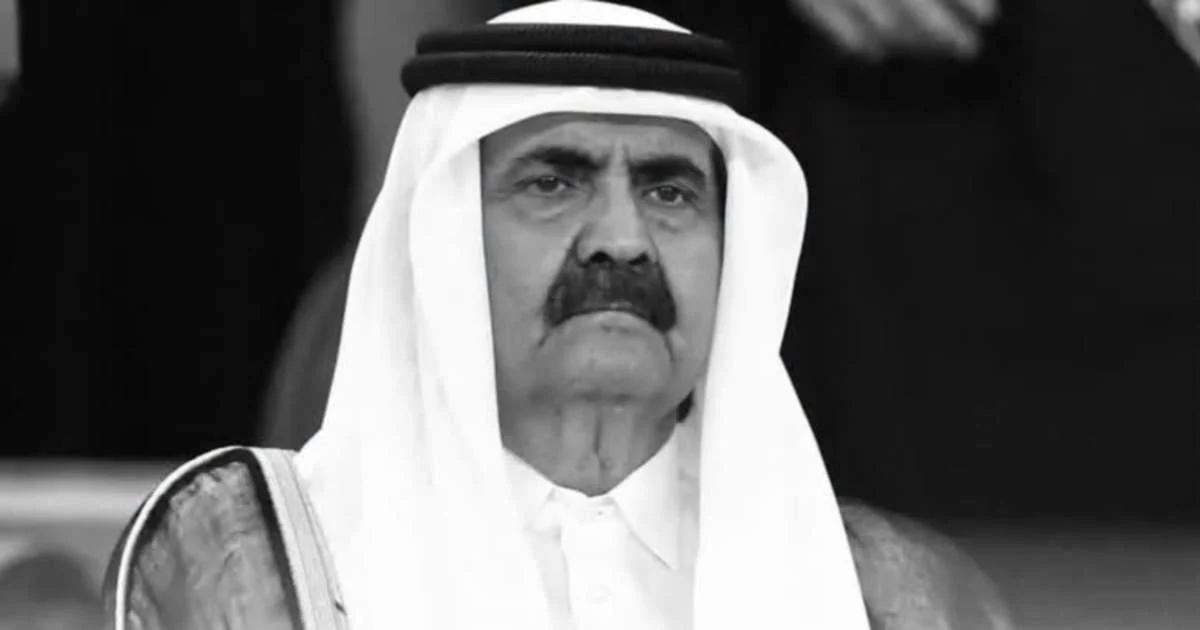
Prime Minister Datuk Seri Anwar Ibrahim has expressed Malaysia's deepest sympathies to the Qatari government and its citizens in the wake of the passing of Sheikh Hamad bin Khalifa Al Thani, the former emir who died on Wednesday at the age of 74. The death marks a significant moment for the Gulf nation and the broader Arab world, as Sheikh Hamad was a transformational figure who shaped Qatar's trajectory during his nearly two-decade reign.
Sheikh Hamad bin Khalifa Al Thani held the position of emir from 1995 until his abdication in 2013, a period that witnessed Qatar's meteoric rise as a regional and global power. His tenure coincided with the nation's massive expansion of liquefied natural gas exports, which fundamentally altered Qatar's economic standing and allowed it to punch above its weight on the international stage. The wealth generated during his stewardship enabled unprecedented investment in infrastructure, culture, and soft power initiatives across the Middle East and beyond.
Malaysia's formal expression of condolences underscores the diplomatic relations maintained between Kuala Lumpur and Doha. The two countries have established themselves as significant voices within the Organisation of Islamic Cooperation and maintain extensive trade and investment linkages. Qatar's sovereign wealth fund has invested substantially across Southeast Asia, including Malaysia, making the Gulf nation a key economic partner for the region.
During his reign, Sheikh Hamad bin Khalifa Al Thani oversaw Qatar's transformation from a relatively modest Gulf state into an influential actor in regional diplomacy and international affairs. His decision to launch Al Jazeera in 1996 proved particularly consequential, establishing a media network that became synonymous with independent journalism across the Arab world. This media initiative reflected his broader vision of positioning Qatar as a centre for innovation and free expression.
The former emir's leadership style was characterised by ambitious modernisation initiatives and strategic diversification away from traditional oil and gas dependence, though hydrocarbon wealth remained central to his nation's power. His government invested heavily in education, healthcare, and tourism infrastructure, projects that continue to define Qatar's landscape. The 2022 FIFA World Cup, which took place under the leadership of his successor, represented the culmination of a vision that began materialising during Sheikh Hamad's tenure.
Sheikh Hamad bin Khalifa Al Thani's decision to step down in June 2013 represented a surprising turn, as he transferred power to his son, Sheikh Tamim bin Hamad Al Thani, marking a transition that was unusual in its voluntariness within Gulf monarchies. This move demonstrated his confidence in the institutional frameworks he had helped establish and his designated successor's readiness to assume leadership. The peaceful transition was widely interpreted as a sign of Qatar's political maturity and institutional stability.
Regionally, Sheikh Hamad's legacy extends beyond Qatar's borders into Malaysian consciousness and Southeast Asian strategic calculations. His government's emphasis on cross-cultural dialogue and engagement with the Muslim world resonated with Malaysia's own positioning as a moderate Islamic nation. The economic partnerships forged during his era continue to influence contemporary trade relationships, particularly in energy and infrastructure sectors.
The passing of Sheikh Hamad bin Khalifa Al Thani coincides with a period of strategic reassessment across the Gulf, as nations navigate shifting geopolitical alignments and evolving energy markets. His contributions to institutionalising Qatar's governance and establishing its international presence remain studied by policymakers throughout the Arab world and beyond. The period of mourning observed by Qatari citizens reflects the deep respect accorded to a leader who fundamentally altered his nation's global standing.
Malaysia's condolence message, delivered at the highest governmental level, reflects the protocol extended to leaders of comparable stature and significance. Such expressions serve as important reaffirmations of bilateral relationships during moments of national transition and collective grieving. The timing of the gesture, coming swiftly after news of the former emir's death, underscores the attention Kuala Lumpur pays to developments affecting key Middle Eastern partners and fellow members of international organisations where Malaysia holds active membership.

