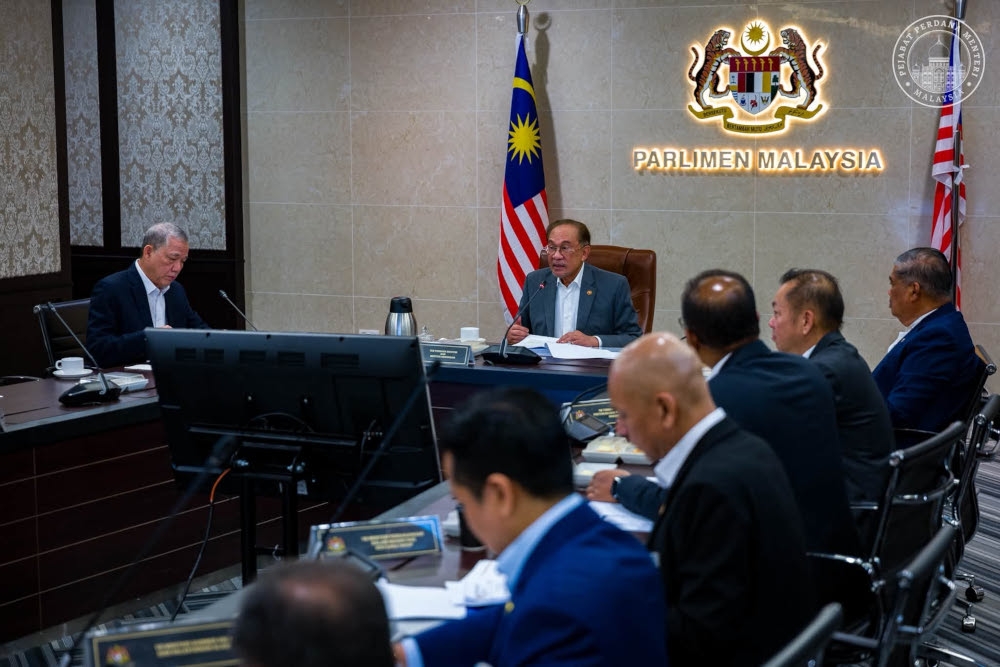
Prime Minister Datuk Seri Anwar Ibrahim has issued urgent directives to the Ministry of Agriculture and Food Security to take immediate action in safeguarding Malaysia's domestic food supply ahead of an anticipated super El Niño weather phenomenon. The instruction underscores growing concern among policymakers about the vulnerability of Malaysia's agricultural sector to extreme climate events, particularly one of such magnitude that meteorologists project could rival historical patterns from the late 1990s.
El Niño episodes typically trigger prolonged droughts across Southeast Asia, reducing rainfall critical for rice paddies, palm oil plantations, and vegetable crops that form the backbone of the region's food systems. A super El Niño would amplify these effects significantly, potentially disrupting harvests across multiple commodities simultaneously. Malaysia, despite its tropical climate, depends on both domestic production and imports to meet consumer demand, making the nation doubly exposed to supply chain fractures during climatic extremes.
The Ministry of Agriculture and Food Security has been tasked with developing comprehensive contingency strategies to mitigate production losses and ensure price stability for essential foodstuffs. These measures are expected to encompass improved water management systems for irrigation, accelerated development of drought-resistant crop varieties, and enhanced storage infrastructure to build strategic reserves before weather conditions deteriorate. Officials are also reviewing import partnerships and diversification protocols to reduce reliance on any single source nation.
Malaysia's agricultural sector contributes significantly to the economy and employment, particularly in rural areas where farming remains a primary livelihood. A major climate disruption could therefore trigger broader socioeconomic ripples beyond food availability, affecting farmer incomes and rural communities already vulnerable to market volatility. The government's preemptive stance reflects awareness that climate resilience requires planning cycles that extend well beyond immediate seasonal concerns.
Regional context amplifies Malaysia's strategic interest in fortifying domestic capacity. Neighbouring Indonesia and Thailand, major rice exporters to the region, would likely experience reduced output during a super El Niño, tightening supply and pushing prices upward across Southeast Asia. Thailand experienced severe drought during the 2015-2016 El Niño event, substantially curtailing rice exports and prompting regional price increases that reverberated through consumer markets. Malaysia's preparation now could position the nation more favourably if similar constraints emerge.
The rice sector occupies particular focus in these preparations. Though Malaysia grows rice domestically, domestic production typically covers approximately 60 to 70 per cent of annual consumption, necessitating imports to bridge the gap. Disruptions in major exporting countries during prolonged drought would elevate both the price and scarcity of imported rice, making it essential to maximize local harvests. The Ministry is expected to prioritise irrigation system upgrades and soil moisture conservation techniques in major rice-growing regions like Kedah, Perak, and Selangor.
Vegetable and fruit production similarly demands attention. Malaysia relies on year-round vegetable cultivation across numerous small and medium-sized farms, many vulnerable to water stress during dry periods. Strategic intervention could include subsidising drip irrigation technologies, facilitating farmer access to water-efficient seed varieties, and establishing demonstration farms where climate-smart agriculture techniques can be trialled and disseminated rapidly. Such infrastructure investments often require sustained funding and inter-agency coordination beyond what individual farmers can achieve independently.
Livestock and fisheries represent additional vulnerability vectors rarely emphasised in public discourse but economically consequential. Reduced water availability affects both freshwater aquaculture ponds and animal drinking water supplies, while feed crop availability becomes constrained. The Ministry's directives presumably extend to these sectors, though specific details remain to be articulated by officials responsible for their management.
International experience offers instructive lessons for Malaysia's approach. The Philippines and Vietnam successfully pivoted toward climate-adaptive agricultural practices following severe droughts, integrating traditional water harvesting methods with modern irrigation technology. Such hybrid approaches have proven cost-effective and culturally acceptable to farming communities. Malaysia's ethnically diverse agricultural workforce may benefit from similarly pluralistic strategies that blend conventional knowledge with contemporary innovation.
Private sector engagement appears equally important to government action alone. Large agribusiness firms operating in Malaysia possess technical expertise and capital that could accelerate resilience measures if incentivised appropriately. Public-private partnerships could facilitate technology transfer, reduce implementation costs to individual farmers, and create accountability mechanisms ensuring measures reach vulnerable smallholders rather than concentrating benefits among larger operators.
Commodity pricing mechanisms warrant consideration as well. Strategic food reserves and import management alone cannot fully insulate consumers from price volatility during severe supply disruptions. Targeted subsidies, price controls, or targeted assistance programs for lower-income households may become necessary if a super El Niño materializes, requiring fiscal planning and legislative groundwork in advance.
The government's emphasis on urgency reflects meteorological consensus that El Niño conditions are developing. International forecasting agencies have indicated elevated probability of a super El Niño emerging within the next 12 to 18 months, making the window for preventive action relatively narrow. Swift implementation of Ministry directives could substantially attenuate negative impacts, whereas delayed response would narrow adaptive options and increase eventual costs to both government and consumers.

