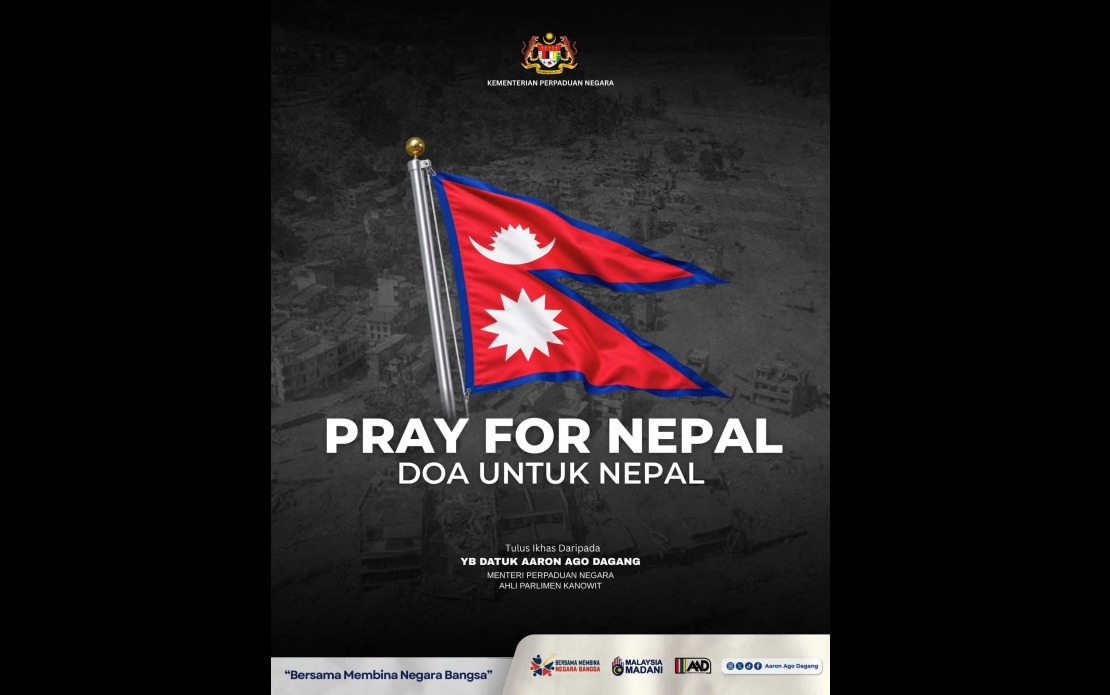
Malaysia has moved swiftly to demonstrate regional solidarity following a catastrophic flood disaster that has devastated Nepal's Rasuwa district. Datuk Aaron Ago Dagang, the Minister of National Unity, conveyed the nation's heartfelt condolences through a public statement, emphasising that Malaysia stands firmly with Nepal during this period of acute crisis. His declaration of support reflects the broader diplomatic commitment to neighbouring nations facing humanitarian emergencies, a principle that has historically guided Malaysia's regional engagement.
The immediate concern for Malaysian authorities centres on the welfare of citizens caught within the disaster zone. The Ministry of Foreign Affairs reported that as of late August 27, approximately 57 Malaysians had not been reached by government officials or their families, creating an urgent operational challenge for both Malaysian and Nepali rescue authorities. This figure, compiled from reports filed by relatives, colleagues, and employers, underscores the scale of the personal impact that the flooding has had on Malaysian communities with ties to Nepal.
In response to the rapidly unfolding humanitarian crisis, Prime Minister Datuk Seri Anwar Ibrahim issued immediate directives on August 27, mobilising multiple government agencies to locate and establish contact with affected nationals. The National Security Council and the Ministry of Foreign Affairs were among the departments tasked with conducting systematic identification efforts and liaison operations with Nepali authorities. This coordinated governmental response reflects Malaysia's established protocols for managing transnational disasters and safeguarding citizens abroad, which have been refined through previous regional emergencies.
Datuk Aaron's public appeal extends beyond official concern, calling upon Malaysians to engage in collective prayer and spiritual support for the Nepali people affected by the disaster. Such gestures, while symbolic, carry significant weight in Malaysia's multicultural society and reflect the inclusive approach the government seeks to project on matters of humanitarian interest. The appeal also serves to mobilise Malaysia's diverse religious communities toward a common purpose of compassion for disaster victims.
The focus on recovery assistance operations represents another critical dimension of Malaysia's response strategy. Datuk Aaron expressed hope that relief and reconstruction efforts in Nepal would proceed without impediment, acknowledging that successful disaster response depends on sustained coordination between affected and supporting nations. Malaysia's experience with major flooding events, including the 2014 and 2021 natural disasters that affected multiple states domestically, has created institutional knowledge that could potentially inform bilateral assistance arrangements.
For Malaysian families with relatives in Nepal, the uncertainty surrounding the 57 uncontactable nationals has generated considerable anxiety. The government's commitment to maintaining communication channels and ensuring that family members receive regular updates represents a critical dimension of crisis management that extends beyond purely diplomatic considerations. The involvement of both the National Security Council and the Foreign Affairs Ministry indicates that the issue has been elevated to senior policy level within Putrajaya.
Nepal's geographical proximity to Malaysia's regional sphere of influence, combined with historical people-to-people connections, has created legitimate humanitarian interests that transcend formal diplomatic ties. The Rasuwa district flooding demonstrates how natural disasters in one part of Asia can have immediate consequences for Malaysian citizens and their families, reinforcing the interconnected nature of contemporary regional challenges.
The disaster comes at a time when Southeast Asian nations are increasingly vulnerable to climate-related natural hazards, with monsoon patterns and extreme weather events posing recurring threats to populations across the region. Malaysia's response to the Nepal flooding reflects broader regional awareness that disaster preparedness and cross-border cooperation have become essential components of national security policy, not merely charitable concerns.
As rescue and recovery operations continue in Nepal, Malaysian authorities will maintain their identification efforts to account for all nationals affected by the disaster. The coordination between government agencies and liaison with Nepali counterparts will likely extend well beyond the immediate emergency phase, encompassing support for affected individuals and potential assistance with reconstruction initiatives that Kathmandu may eventually request from regional partners.

