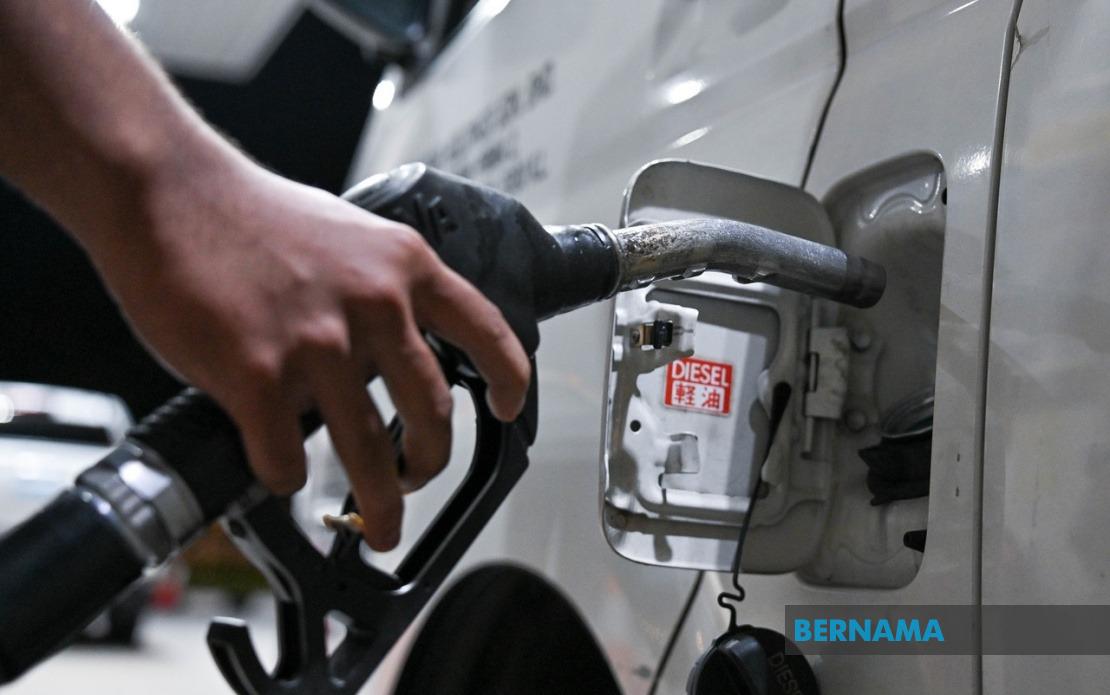
Malaysia's Ministry of Domestic Trade and Cost of Living (KPDN) has formally rescinded its directive controlling diesel purchases for land transport vehicles across Sabah, Sarawak, and the Federal Territory of Labuan, with the changes taking effect tomorrow. The cancellation eliminates the tiered purchasing limits that had restricted consumers to quantities of 50 liters, 100 liters, or 150 liters depending on their vehicle classification and usage category. This marks a significant departure from the framework that has governed fuel distribution in Malaysia's eastern states since March 2026.
The rescission directly follows Prime Minister Datuk Seri Anwar Ibrahim's June 21 announcement regarding the nationwide standardisation of subsidised diesel pricing under the BUDI Diesel Programme. Under this initiative, the government has unified the subsidised diesel price at RM2.10 per liter across all regions, eliminating regional variations that previously justified different purchasing quotas. This uniform pricing structure represents a simplification of Malaysia's complex fuel subsidy architecture, which has long involved geographically differentiated support mechanisms designed to account for transport costs and regional economic conditions.
KPDN Director-General of Enforcement Datuk Azman Adam explained that the removal of purchase restrictions reflects the government's confidence in a new verification mechanism that will regulate subsidised diesel distribution more effectively than quantity limits alone. Effective simultaneously with the directive's cancellation, eligible consumers will now verify their eligibility for subsidised fuel using MyKad authentication at participating petrol stations. This technology-driven approach represents a shift from previous administratively-managed quota systems toward a biometric identification method intended to ensure that subsidies reach intended beneficiaries more precisely.
The timing of these regulatory changes underscores the government's broader strategy to modernize Malaysia's fuel subsidy system while maintaining targeted support for sectors dependent on transportation costs. By coupling the removal of quantity restrictions with enhanced identity verification, policymakers appear to be betting that digital authentication can achieve the same distribution control that previously relied on administrative oversight and consumption caps. For petrol retailers in Sabah, Sarawak, and Labuan, this represents a transition to a system requiring investment in MyKad reader technology at point-of-sale terminals.
The implications for transport operators, particularly those in logistics and commercial trucking sectors across East Malaysia, are potentially significant. Previously, businesses operating vehicles subject to the 100-liter or 150-liter purchase limits faced operational constraints requiring multiple visits to fuel stations or careful fuel management to maintain vehicle availability. Removing these caps could reduce administrative friction and allow fleet operators to consolidate refuelling operations, though the long-term sustainability of subsidies at RM2.10 per liter for unlimited consumption remains an open fiscal question for government budget planning.
State governments in Sabah and Sarawak, which have historically advocated for equitable treatment in federal subsidy distribution, may view this standardization as a positive development. Sarawak in particular has long pressed for recognition of its unique geographic and demographic circumstances in federal fuel pricing mechanisms. The uniform RM2.10 pricing across East Malaysia suggests the federal government has accepted arguments for parity, potentially resolving regional grievances that have periodically surfaced in Sabah-Kuala Lumpur relations regarding the distribution of federal resources.
The ministry has issued formal notification to all retail scheduled controlled goods license holders operating in the three regions, requiring them to acknowledge and comply with the new framework. KPDN officials have emphasized that compliance with the MyKad-based mechanism is essential for the system to function effectively and fairly. The emphasis on cooperation from retailers reflects awareness that implementation success depends on universal participation across the petrol station network, particularly in more remote areas where some outlets may face technical or operational challenges in adopting the new authentication requirement.
From a policy perspective, the shift toward digital verification aligns with Malaysia's broader digitalization agenda and reflects lessons learned from previous subsidy programs that proved vulnerable to leakage and misuse. The MyKad system creates an auditable transaction trail and can theoretically prevent the problem of fuel purchased at subsidized rates being diverted to unauthorized uses or informal markets. However, implementation effectiveness will depend on technical reliability of authentication systems and retailer training, particularly in areas with inconsistent internet connectivity.
The cancellation of the March 2026 directive represents a policy reversal that may indicate the directive's original objectives—limiting fuel consumption among commercial operators while maintaining affordability for essential users—have been superseded by the government's determination to simplify subsidy administration and unify pricing nationwide. Whether this approach ultimately proves more cost-effective for government finances will depend on actual consumption patterns that emerge once purchase restrictions are removed and on the longevity of the RM2.10 price point as global oil markets fluctuate.
Beyond the immediate administrative changes, this policy shift carries broader implications for how Malaysia manages fuel subsidies amid global energy transitions. The decision to remove quantity caps while maintaining price support suggests the government has prioritized accessibility and regional equity over consumption control through rationing. For Malaysian consumers, particularly those in East Malaysia who have historically felt disadvantaged in federal subsidy distribution, the standardized pricing and removal of administrative restrictions represent tangible policy recognition of their concerns, though the sustainability of expanded subsidies at fixed prices remains contingent on government fiscal capacity and commodity price stability.

