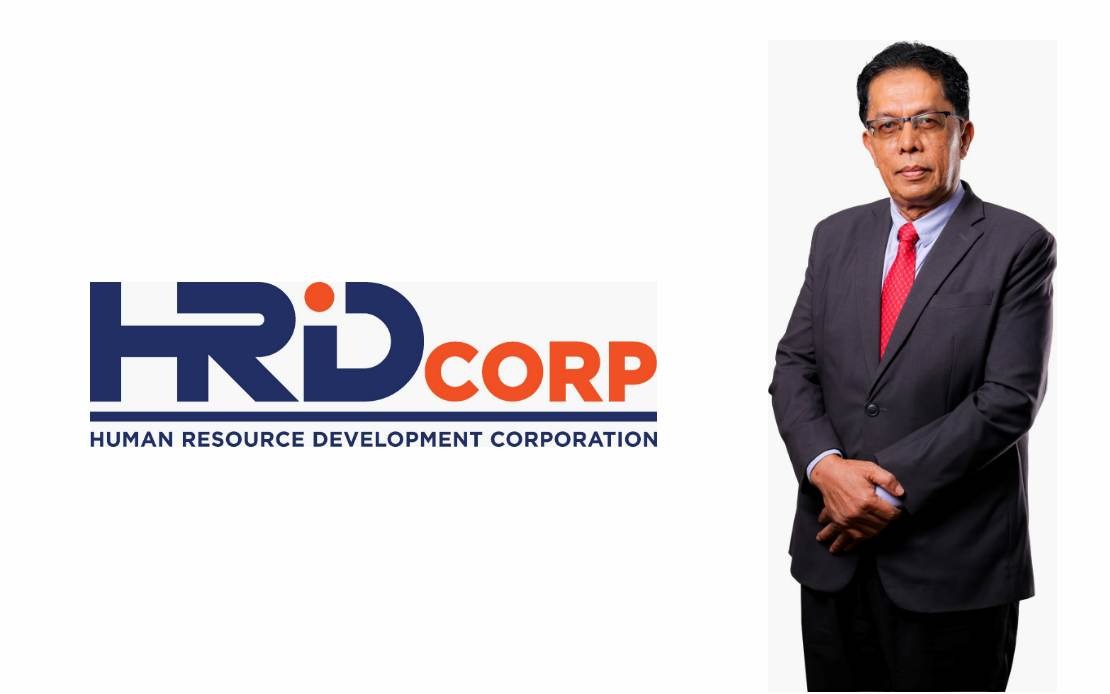
Malaysia is set to launch the fourth edition of the National Training Week 2026 beginning tomorrow, marking an ambitious nationwide push to democratise skills development and foster a culture of continuous learning. The Human Resource Development Corporation (HRD Corp), working alongside the Ministry of Human Resources (KESUMA), will deliver thousands of complimentary courses and training activities accessible to all Malaysian citizens regardless of age or background. The programme's official launch took place in Sandakan on July 19, underscoring the government's commitment to reaching learners across the nation's diverse regions.
The overarching vision for NTW 2026 extends far beyond a single-week event, according to officials who emphasise its role as a sustained national movement aimed at reshaping attitudes towards professional development. By positioning lifelong learning as a cultural priority rather than a one-off campaign, organisers hope to create lasting behavioural change across Malaysian society. This philosophy reflects broader regional trends in Southeast Asia, where nations compete to upskill workforces in response to rapid technological disruption and evolving economic demands.
The choice of Sandakan as the launch venue carries symbolic weight, deliberately highlighting Sabah's strategic position within Malaysia's human capital development strategy. Regional disparities in access to training have long been a challenge in the country, with peninsular Malaysia historically dominating skills development infrastructure. By anchoring the campaign's debut in East Malaysia, policymakers signal renewed commitment to bridging geographical gaps and ensuring that rural and urban populations enjoy comparable opportunities for advancement.
The course offerings reflect contemporary labour market realities and emerging sectoral demands. Prospective learners can access training in artificial intelligence prompt engineering, digital marketing strategies, AI-driven animation, commercial drone operations, autism support services, multilingual communication skills, and automotive maintenance. This curriculum mix targets multiple employment pathways simultaneously—positioning the initiative to serve corporate employees seeking upskilling, entrepreneurs building new ventures, gig economy workers navigating platform-based labour, homemakers transitioning into formal work, and retirees pursuing active retirement pursuits.
Industry collaboration has proven fundamental to translating the programme's ambitions into practical reality. HRD Corp Chairman Datuk Rusli Jaafar emphasised that partnerships with private-sector training providers and educational institutions enabled the corporation to deliver quality instruction at no cost to participants. This public-private model reduces government expenditure while leveraging specialised expertise embedded within commercial training ecosystems—an increasingly common approach across Southeast Asia where governments recognise that sustaining high-quality training requires sustained engagement with private expertise.
The initiative's design incorporates flexible delivery mechanisms recognising that Malaysian learners occupy diverse life circumstances and geographic locations. Courses are structured for either online completion or face-to-face instruction at participating institutional centres, depending on each programme's pedagogical requirements. This hybrid approach acknowledges that technical skills training often demands hands-on practice—particularly in fields like drone operations and automotive maintenance—while theoretical and digital subjects adapt readily to remote learning environments.
Beyond formal course offerings, the NTW 2026 carnival environment creates space for career exploration and professional networking. Interactive sessions connecting participants with career advisors, knowledge-sharing forums, and exhibitions showcasing training providers' capabilities combine to create an immersive ecosystem supporting employment transitions. For learners uncertain about their next career steps, these touchpoints offer low-pressure opportunities to explore options and connect with industry representatives.
The campaign simultaneously honours academic achievement among Malaysia's younger generation. The launch event presented special incentives to 149 top-performing 2025 SPM students from the Batu Sapi parliamentary constituency, reinforcing the message that excellence in foundational education opens pathways to advanced skill development. This recognition serves dual purposes: celebrating individual accomplishment while encouraging peers to view continuous learning as integral to long-term success.
The roadshow's scheduled progression across Malaysian states, culminating with two days of activities in Penang on July 25 and 26, demonstrates logistical ambition matching the programme's scale. Rotating the initiative through different regions ensures that geographic limitations do not prevent participation, though practical constraints will inevitably limit some citizens' attendance at physical venues. The accompanying online portal compensates by enabling nationwide participation, provided citizens possess reliable internet access—a consideration that remains relevant in parts of rural Malaysia despite improving connectivity.
For Malaysian policymakers and training professionals, the NTW 2026 represents a critical juncture in the nation's commitment to skills-driven economic transformation. As artificial intelligence and automation reshape global employment landscapes, nations that successfully equip workforces with relevant technical and adaptive capabilities gain competitive advantage. Malaysia's willingness to invest in free, accessible, inclusive training signals recognition that human capital development constitutes strategic national infrastructure comparable to physical infrastructure investments.
The timing of this fourth edition arrives amid global economic uncertainty and rapid technological change affecting employment stability across sectors. By normalising continuous skills acquisition as a societal expectation rather than exceptional activity, Malaysia positions itself to weather economic transitions more resilient than peers lacking comparable training ecosystems. Participation rates and learning outcomes from NTW 2026 will provide valuable data informing future training policy refinements and investment decisions.

