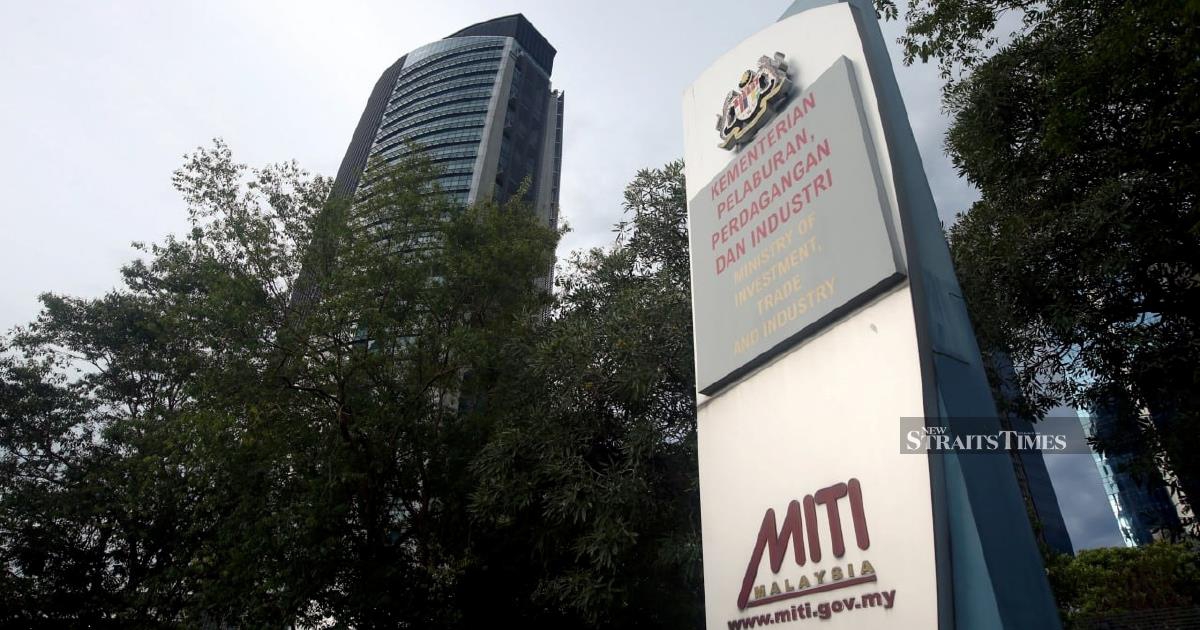
Malaysia has formally launched an anti-dumping investigation targeting coated steel products originating from China, Chinese Taipei and Vietnam, a move that underscores growing concerns about unfairly priced imports undercutting domestic manufacturers. Concurrently, the government is conducting an expiry review of existing duties imposed on prepainted steel coil shipments from China and Vietnam, signalling a comprehensive reassessment of protective measures within the steel sector.
The investigation represents a significant protective manoeuvre for Malaysia's steel industry, which has faced sustained pressure from cheaper imports flooding regional markets. Coated steel products—sheets and coils treated with protective layers or decorative finishes—form a critical component of the downstream manufacturing ecosystem, supplying automotive, construction, appliance and machinery producers across Southeast Asia. The simultaneous examination of both new dumping allegations and the renewal of existing tariffs suggests Malaysian authorities have identified a persistent pattern of market distortion across multiple product categories and source countries.
China's outsized share in global steel production has repeatedly drawn scrutiny from trading partners worldwide. With manufacturing capacity far exceeding domestic demand, Chinese steelmakers often pursue aggressive export strategies involving below-cost pricing. Vietnamese producers, meanwhile, have increasingly positioned themselves as competitive alternatives within Asian supply chains, whilst Chinese Taipei's contribution to regional coated steel flows, though smaller, remains economically significant. The investigation will examine whether these exporters are selling into Malaysia below production costs or fair value, thereby injuring local producers.
The expiry review mechanism permits Malaysia to reassess whether long-established tariffs remain justified given changing market conditions. Prepainted steel coil—sheet steel pre-finished with paint or other coatings at the production stage—serves as a primary input for manufacturers of roofing systems, wall panels, automotive parts and consumer durables. By reviewing these duties now, Malaysia ensures its protection regimen keeps pace with evolving competitive dynamics and genuine material injury rather than becoming an outdated, inefficient subsidy.
For Malaysian steelmakers, the stakes are considerable. Domestic mills manufacturing coated steel products and prepainted coils have invested heavily in capacity and technology, making them vulnerable to margin erosion if foreign competitors gain unchecked market share through predatory pricing. Local employment, technology transfer and supply chain integration all hinge partly on a competitive but fair operating environment. A successful anti-dumping case would provide tariff relief and restore more balanced pricing structures, encouraging investment in higher-value manufacturing segments.
Regional manufacturers dependent on coated steel inputs face mixed implications. Short-term tariff increases would raise production costs, potentially squeezing margins in cost-sensitive sectors like appliance assembly and mid-range automotive components. Conversely, if the investigation confirms systematic dumping, tariffs would encourage diversification of supplier bases and might incentivise regional integration of steel production, reducing reliance on imports and building competitive advantages within ASEAN.
Malaysia's approach aligns with international norms governing anti-dumping procedures under World Trade Organization protocols. Investigations typically require detailed evidence of pricing below normal value, quantifiable injury to domestic producers and a causal link between imports and harm. The dual investigation and expiry review framework demonstrates administrative rigour, distinguishing between new allegations requiring fresh investigation and established protections requiring periodic validation.
The timing carries broader geopolitical resonance. Rising protectionism worldwide has prompted trading nations to scrutinise import surges, particularly from China, which has faced repeated anti-dumping cases globally in recent years. Vietnam's emergence as a manufacturing hub post-sanctions has similarly attracted trade scrutiny. Malaysian authorities' balanced approach—investigating multiple sources rather than targeting single countries—suggests an effort to address substantive market injury rather than pursue narrow protectionist agendas.
For exporters, the investigation opens a challenging period of heightened uncertainty. Chinese, Taiwanese and Vietnamese steelmakers may face requests for detailed cost and pricing documentation, whilst facing potential interim duties if preliminary findings suggest dumping. Cooperation with Malaysian authorities and transparent disclosure of production costs and export pricing strategies will prove essential for defending market access.
Downstream sectors merit close attention as investigations unfold. Construction firms, automotive suppliers and appliance manufacturers should monitor tariff developments, as duty increases directly influence input costs and competitiveness. Regional supply chain managers may accelerate plans to source from non-investigated suppliers or establish regional production footprints to mitigate tariff exposure.
The investigation's outcome will also signal Malaysia's broader trade policy direction. A comprehensive, evidence-based finding would reinforce the country's commitment to fair trade principles whilst protecting legitimate domestic interests. Conversely, an overly broad or poorly substantiated determination could invite retaliatory measures and complicate Malaysia's trade relationships with major partners, particularly China and Vietnam with whom economic ties run deep.
Anticipated investigation timelines typically span eight to twelve months, during which preliminary findings may trigger provisional duties. Industry participants should prepare for evolving regulatory requirements and consult with customs specialists to understand tariff classification and procedural compliance. The investigation represents both risk and opportunity—a moment when legitimate protectionism shields genuine producers whilst market dynamics realign across Southeast Asia's integrated manufacturing ecosystem.

