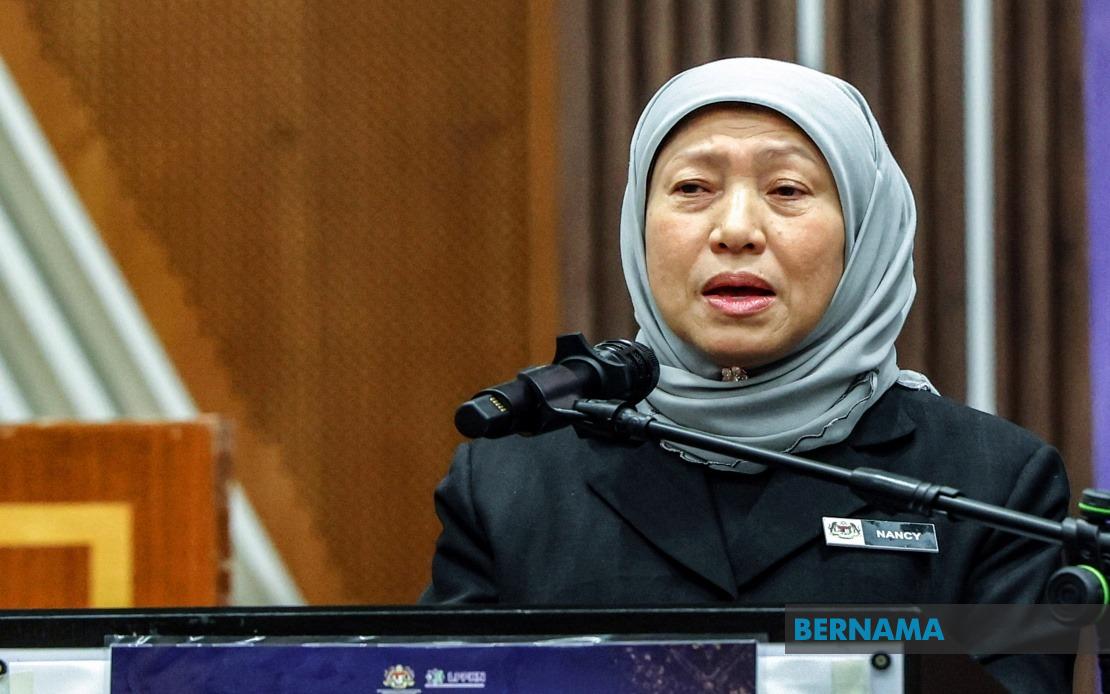
Malaysia is embarking on a comprehensive 18-month national study aimed at reshaping how the government supports men's well-being and social responsibility, marking a significant shift in how policymakers approach gender and family dynamics. The Ministry of Women, Family and Community Development (KPWKM) will spearhead the National Gentleman Study, which seeks to understand and address the complex challenges facing Malaysian men while promoting a culture of respect, emotional resilience and shared responsibility within families and communities.
Minister Datuk Seri Nancy Shukri unveiled the initiative at the Men's Empowerment Consultative Forum, emphasising that contemporary men's empowerment extends far beyond traditional notions of economic leadership or career advancement. Instead, the government recognises that modern masculinity must encompass emotional intelligence, mental wellness, psychological maturity and the capacity to balance personal ambitions with family obligations and community contribution. This reframing represents a departure from conventional policy frameworks that often treat gender empowerment as a predominantly women-centred agenda, acknowledging instead that men face distinct social and psychological pressures requiring targeted intervention.
The urgency of this initiative becomes apparent when examining Malaysia's troubling mental health statistics. The male suicide rate in the country stands at nearly three times higher than that for women, a disparity that demands immediate policy attention and preventative action. The 2023 National Health and Morbidity Survey further revealed that 4.6 per cent of Malaysians aged 16 and above live with depression, indicating widespread mental health challenges that transcend gender but may manifest differently among men who often face cultural stigma against seeking psychological support or discussing emotional struggles.
Economic pressures constitute another critical driver of the empowerment agenda. Malaysia's household debt has reached 84.3 per cent of gross domestic product according to Bank Negara Malaysia, creating enormous financial strain that destabilises family structures and erodes men's sense of security and capability as providers. This economic stress directly correlates with family breakdown, as evidenced by the 4.1 per cent increase in divorces to 60,457 cases in 2024. Beyond the numerical increase, the underlying causes reveal structural vulnerabilities: financial hardship, inability to meet maintenance obligations and prolonged domestic tension all reflect how economic precarity cascades through the family unit.
Domestic violence remains perhaps the most urgent concern highlighted by the ministry. Data from the Royal Malaysia Police indicates that men perpetrated 95 per cent of recorded domestic violence incidents between January and December 2025, underscoring a critical need to address aggressive and harmful masculine behaviour while providing men with healthier coping mechanisms and conflict resolution skills. Rather than viewing male empowerment solely as victim-centred support, the government's approach seeks to prevent harm by building emotional competency and responsibility among men.
The study's conceptual framework deserves close examination. Minister Shukri articulated a vision of gentlemanly conduct rooted not in dominance but in wisdom, shared responsibility and recognition of women as equal partners in family and national development. This philosophy represents a deliberate rejection of patriarchal models while maintaining recognition that men require specific support mechanisms. The approach seeks to cultivate masculine identities that are confident yet respectful, ambitious yet responsible, independent yet emotionally connected to family and community.
The consultative forum employs a Public-Private-People Partnership (4P) approach, recognising that male empowerment cannot be advanced through government action alone. By convening stakeholders from diverse sectors—businesses, civil society organisations, community leaders and affected individuals—the study will gather comprehensive data on men's challenges and aspirations. This collaborative model promises richer insights than traditional top-down policy development, ensuring that recommendations reflect genuine experiences rather than bureaucratic assumptions.
For Malaysian businesses and employers, this initiative carries practical implications. Rising mental health challenges among male workers, financial stress affecting productivity and family instability impacting workplace performance all suggest that organisations have vested interests in supporting men's well-being. Corporate wellness programmes, flexible work arrangements and mental health resources become not merely charitable offerings but strategic investments in workforce stability and efficiency.
The timing of this study reflects broader regional trends in Southeast Asia, where several nations grapple with male suicide rates, economic inequality and changing family structures. Malaysia's willingness to examine these issues comprehensively positions it as a potential regional leader in developing evidence-based policies that address masculine vulnerability without abandoning accountability for harm. Other Southeast Asian governments facing similar challenges may draw lessons from this 18-month investigation.
The research findings will directly inform policy development and programme implementation across Malaysian government agencies, potentially reshaping how social services, health systems and educational institutions approach men's development. Rather than viewing men's empowerment as competing with women's advancement, the framework explicitly grounds itself in gender respect and mutual dignity, suggesting that genuine empowerment transcends zero-sum competition.
Among the most significant potential outcomes would be new mental health initiatives specifically designed for men, economic literacy programmes addressing household debt, family mediation services preventing divorce and violence prevention education that transforms cultural attitudes toward aggression and emotional expression. These interventions could create a virtuous cycle where healthier, more resilient men contribute more effectively to stable families and thriving communities.
Civil society observers and gender scholars will scrutinise how the government translates its empowerment rhetoric into concrete protections and accountability mechanisms, particularly regarding domestic violence prevention. The challenge lies in expanding male support without diluting commitment to protecting women from harm or reducing perpetrator accountability. Successfully navigating this balance will determine whether the initiative genuinely advances societal well-being or merely provides cover for continued gender-based violence.
The 18-month timeline suggests the government intends swift translation of findings into policy by late 2026, a commitment that may accelerate national conversations about masculinity, family and social responsibility. As Malaysia implements the National Gentleman Initiative alongside this comprehensive study, the success of these efforts will substantially influence family stability, mental health outcomes and social cohesion across the nation.

