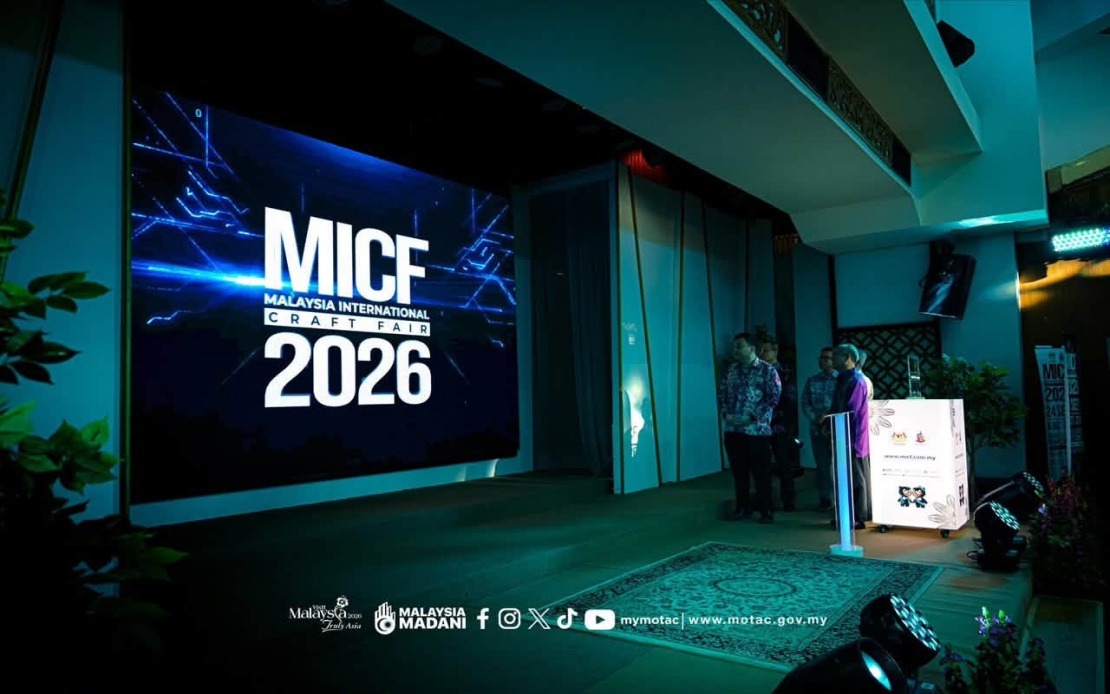
The Malaysia International Craft Fair (MICF) 2026 is preparing to open its doors as one of the region's most comprehensive showcases for traditional and contemporary craft artistry. Running for 12 consecutive days from September 24 to October 5, the event will take place at the Kuala Lumpur Craft Complex and aims to draw an impressive 400 participants, including 300 local craft practitioners and artisans alongside 100 international visitors representing more than 20 countries.
Kraftangan Malaysia, the national craft organisation overseeing the initiative, positions MICF 2026 as a significant platform for fostering meaningful connections between craftspeople across borders. The fair's strategic emphasis lies in creating valuable networking opportunities and establishing partnerships that could open new commercial pathways for both established and emerging artisans. By bringing together practitioners from diverse cultural and geographical backgrounds, organisers expect the event to facilitate knowledge exchange and potentially lead to collaborative ventures that strengthen the global craft market.
The international dimension of MICF 2026 represents a carefully curated selection of craft traditions from six participating nations, each bringing distinctive artistic techniques to the forefront. China will present its ancient jade carving heritage, while New Zealand's Maori carving traditions will demonstrate Pacific indigenous artistry. Central Asia will be represented through Uzbekistan's intricate jewellery art, Sri Lanka will showcase the delicate beeralu lace work that has characterised its textile heritage for generations, Indonesia will display leather artistry, and India will present its ornamental tarkashi brass inlay work. These demonstrations promise to illustrate the remarkable diversity of global craft methodologies and aesthetic philosophies.
Complementing the international displays, ten Malaysian craft masters and entrepreneurs will demonstrate authentic local techniques, ensuring that domestic artisanal traditions remain central to the fair's narrative. This balanced approach underscores the event's dual purpose: celebrating Malaysia's own rich craft heritage whilst positioning it within a broader international context. Visitors will gain direct exposure to the evolution and contemporary relevance of Malaysian craftsmanship across multiple disciplines and media.
Beyond the craft demonstrations themselves, MICF 2026 encompasses a comprehensive programme designed to appeal to diverse audiences and serve multiple stakeholder interests. The fair will feature extensive craft exhibitions showcasing finished works, thematic exhibitions focused on specific craft expressions and explorations, and an International Craft Talk series featuring expert presentations and discussions. An International Fashion Showcase will highlight how traditional craft techniques integrate with contemporary fashion design, reflecting the commercial potential of artisanal work in modern consumer markets.
Cultural performances woven throughout the 12-day schedule will provide entertainment while educating visitors about the cultural contexts that inform various craft traditions. Interactive activities will allow attendees to engage hands-on with artisans and gain practical understanding of techniques that might otherwise remain inaccessible to the general public. Strategic partners have facilitated the addition of traditional cooking demonstrations, adding another dimension to the cultural programming and broadening the fair's appeal beyond visual and textile arts.
Operationally, MICF 2026 will maintain extended daily hours from 10 am to 10 pm, accommodating both daytime and evening visitors and enabling working professionals and families to attend flexibly. This scheduling acknowledges the practical realities of contemporary urban life whilst maximising accessibility for the broadest possible audience across Malaysia and the region.
The pre-launch of MICF 2026 received official recognition through Deputy Minister of Tourism, Arts and Culture Chiew Choon Man, signalling government endorsement and highlighting the event's alignment with national cultural and tourism objectives. This ministerial involvement underscores Malaysia's commitment to positioning craft artisanal traditions as integral to the nation's cultural diplomacy and soft power projection. For Malaysia's tourism sector, events like MICF 2026 provide opportunities to diversify visitor experiences beyond conventional heritage and nature-based attractions.
For Malaysian craftspeople, the fair represents a crucial venue for direct market access and international exposure that might otherwise require expensive overseas travel or participation in international trade fairs. The presence of over 20 international delegations creates organic opportunities for business-to-business connections, wholesale partnerships, and export arrangements. Emerging artisans gain mentorship and visibility alongside established masters, potentially accelerating the career trajectories of talented practitioners.
From a broader Southeast Asian perspective, MICF 2026 demonstrates the region's commitment to preserving and commercialising traditional craft knowledge in an increasingly globalised economy. As industrialisation and globalisation threaten craft traditions across Asia, events that celebrate and monetise artisanal work help ensure these practices remain economically viable for future generations. The fair's emphasis on both cultural authenticity and contemporary commercial applications suggests a sophisticated understanding that tradition and modernity need not be mutually exclusive.
The international participation from countries like China, India, and Uzbekistan reflects established cultural and trade connections within Asia and beyond, positioning MICF 2026 within existing regional networks. For visitors and participants from these nations, the fair offers a window into Malaysia's craft ecosystem and broader Southeast Asian artistic practices. The networking potential could extend beyond individual artisans to encompass craft organisations, tourism boards, and cultural institutions seeking to collaborate on regional initiatives.
As Malaysia navigates evolving economic circumstances and seeks to strengthen its cultural identity on the global stage, events like MICF 2026 offer tangible demonstrations of the nation's artistic heritage and contemporary creative vitality. The fair suggests that craft traditions, when properly supported and marketed, can constitute meaningful economic activity whilst serving deeper cultural preservation objectives. For policymakers, the success of MICF 2026 could inform strategies for supporting other traditional industries threatened by economic transitions.

