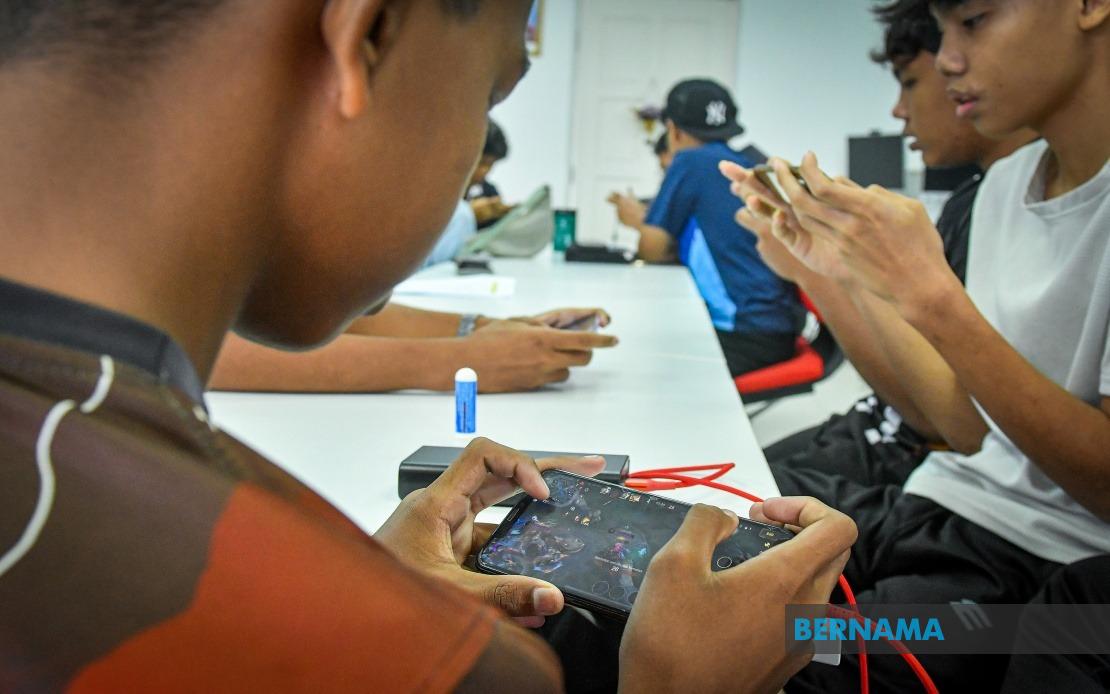
Malaysia is escalating its efforts to educate parents about a recently implemented restriction preventing children under 16 from opening social media accounts, with Deputy Communications Minister Teo Nie Ching unveiling expanded outreach plans during a public education event in Johor Bahru this week. The Safe Internet Campaign represents the government's pivot toward framing digital safety as a shared responsibility between regulators, parents, and educational institutions rather than relying solely on technological enforcement. Teo stressed that the initiative would concentrate on helping families understand not just the prohibition itself, but the underlying reasoning and implementation strategies needed to make the policy effective at the household level.
The cornerstone of the government's approach rests on parental involvement and digital literacy. While parents technically retain the legal ability to create social media accounts on behalf of their children, the administration is promoting a model centered on active supervision, education, and guidance rather than outright bans within the home. This nuanced messaging recognizes that enforcement cannot succeed through prohibition alone—instead, the government is asking parents to become informed intermediaries who understand the risks, monitor device usage, and foster healthy digital habits. The distinction between passive rule-following and active engagement with children about online safety underpins the entire campaign strategy.
Enforcing compliance falls partly to the Malaysian Communications and Multimedia Commission, which processes reports of account abuse involving minors and submits takedown requests to digital platform operators. However, the regulatory approach acknowledges its own limitations, with the MCMC positioned as a reactive body responding to reported violations rather than as a proactive screener. This structural reality—that no government body can monitor every child's online activities—makes the parental education component central rather than supplementary to the policy's success.
The regulatory framework itself took shape through twin codes implemented by the MCMC on June 1 under the Online Safety Act 2025: the Child Protection Code and Risk Mitigation Code. These instruments require social media platforms to implement age verification using official government-issued identification such as MyKad, passport, or MyDigital ID. The June 1 enforcement date means Malaysia joined a growing international cohort of jurisdictions establishing age minimums for social media access, though implementation remains inconsistent globally.
The Safe Internet Campaign has already achieved substantial reach across Malaysia's education system, extending from primary schools through universities and vocational institutions. To date, the initiative has engaged 5,946 government primary schools, 2,416 government secondary schools, 1,285 Chinese-language schools, and 524 Tamil-language schools. Beyond secondary education, the campaign has connected with 68 higher learning institutions, 67 Form Six colleges or vocational colleges, and six teacher education institutes. This institutional penetration creates a nationwide infrastructure for disseminating information about the age restriction and related digital safety practices.
The Johor Bahru gathering represented the fourth major roadshow under the campaign framework, with particular emphasis on Parent-Teacher Associations as conduits for reaching families. The deliberate focus on PTAs reflects an understanding that schools and parents must operate in coordinated fashion to reinforce consistent messaging about digital safety. Teo indicated that the campaign would continue its geographic expansion, with Sabah scheduled to host the next major event in September and Sarawak in October, suggesting a methodical rollout designed to ensure regional representation and local adaptation of the core messages.
For Malaysian parents, the policy presents both practical and philosophical questions about childhood development in an increasingly digital society. The under-16 threshold aligns with global conversations about cognitive development and vulnerability to social media's documented psychological effects, particularly regarding body image, sleep disruption, and social comparison. However, implementation challenges persist, ranging from technical workarounds that savvy youth employ to parental unfamiliarity with monitoring tools and digital literacy gaps across socioeconomic lines.
The campaign's emphasis on parental responsibility carries implications for how Malaysian society allocates accountability for child protection in the digital sphere. Rather than positioning social media platforms as primary duty-bearers or the state as the ultimate guardian, the government is investing in a distributed model where parents shoulder active oversight. This approach requires significant investment in parent education, particularly in communities where digital literacy lags and where access to information about the policy may be limited.
Regionally, Malaysia's implementation joins efforts by other Southeast Asian governments grappling with similar concerns about youth digital safety, though approaches vary considerably. Singapore has pursued stricter content regulation through government oversight, while Indonesia faces enforcement challenges across its massive and diverse population. Thailand has experimented with age-verification technologies and content restrictions through its regulatory bodies. Malaysia's emphasis on parental mediation rather than wholesale platform restriction or aggressive enforcement represents a middle path, prioritizing education and family-centered solutions alongside regulatory backstops.
The policy's long-term effectiveness will likely depend on several factors beyond the campaign's reach: the willingness of major social media platforms to enforce age verification rigorously rather than treating it as a compliance checkbox, sustained parental engagement with the topic after the initial campaign messaging fades, and the government's ability to gather and respond to evidence about whether the restriction meaningfully improves youth digital wellbeing. Teo's repeated invocation of the MADANI Government's commitment to the policy signals that this remains a priority objective rather than a temporary initiative, suggesting resources may continue flowing toward enforcement and education.
For businesses operating in Malaysia's digital ecosystem, the restriction creates both constraints and opportunities. Platform operators must invest in age-verification infrastructure that functions reliably across demographic groups while protecting user privacy—a technical challenge that has proven difficult globally. Simultaneously, the policy may create openings for digital literacy companies, parental monitoring software providers, and educational institutions to develop specialized offerings addressing the safety and supervision gap the government is trying to fill through its campaign.

