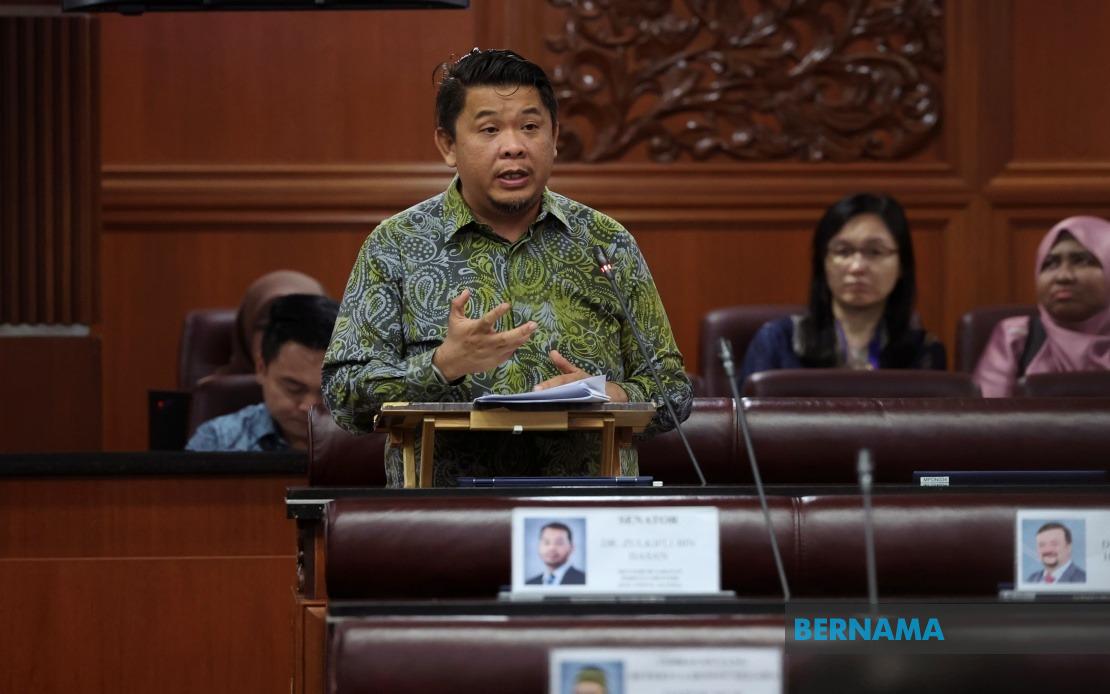
Malaysia's Cabinet has directed the United Nations High Commissioner for Refugees to suspend processing of new refugee applications as the government transitions to a domestically controlled registration framework. Deputy Foreign Minister Datuk Lukanisman Awang Sauni disclosed the decision on July 23, explaining that the temporary halt enables authorities to implement the Refugee Registration Document (DPP) programme, a system designed to place refugee data management firmly under Malaysian government authority rather than international agency control.
The restructuring initiative reflects growing concerns within Malaysian policymaking circles about the management of refugee populations within the country's borders. Under the new DPP framework, Malaysian authorities will assume direct responsibility for compiling, verifying, and maintaining comprehensive refugee records without depending on external documentation systems maintained by international bodies. This represents a significant shift in how Malaysia approaches refugee administration, moving from a model where UNHCR maintains primary registration records to one where the government exercises centralised control over identification and classification processes.
Lukanisman emphasised that the reorganisation will strengthen data coordination mechanisms and enhance identity verification procedures across multiple government agencies. The DPP programme incorporates monitoring and regulatory functions designed to prevent fraudulent documentation and detect illegal immigration attempts. By consolidating refugee information within domestic systems, Malaysian officials argue they can more effectively track populations, verify eligibility criteria, and prevent individuals with questionable status from exploiting existing registration loopholes. The government framed this as essential infrastructure for managing refugee populations responsibly.
The timing of this announcement reflects broader tensions within Malaysia regarding its role as an unintended host to hundreds of thousands of refugees and asylum seekers, particularly from Myanmar and other neighbouring regions. Malaysia has not ratified the 1951 Refugee Convention, the international legal instrument that defines refugee status and establishes global protection frameworks. This non-signatory status has historically allowed Malaysia considerable flexibility in determining its own refugee policies, though it has also complicated international coordination on refugee protection issues. Lukanisman explicitly referenced Malaysia's position outside the convention framework as justification for the new domestic-centred approach.
The registration suspension also addresses longstanding tensions between refugee management and domestic social concerns. Malaysian policymakers have increasingly highlighted the strain that refugee populations place on national resources, public services, and local communities. By implementing stricter registration processes and government oversight, authorities indicate they intend to exercise more rigorous control over refugee admission and residence. The DPP programme will require collaboration between immigration enforcement agencies and security services to ensure that only individuals meeting Malaysia's criteria for refugee status gain formal recognition.
Parallel to the UNHCR registration pause, the government is advancing repatriation efforts targeting Myanmar nationals currently held in immigration detention facilities. Approximately 5,000 individuals detained at immigration depot facilities will be returned to Myanmar using naval vessels, contingent on completion of resolution procedures with Myanmar's government. This repatriation initiative demonstrates Malaysia's determination to reduce its refugee and detainee populations while simultaneously pressing neighbouring countries to address root causes of displacement within their own borders.
Malaysia is simultaneously pursuing multilateral diplomatic channels to address the broader Rohingya refugee crisis through ASEAN and bilateral engagement with Myanmar. The government views this diplomatic approach as complementary to domestic policy adjustments. By combining stricter domestic registration procedures, repatriation initiatives, and multilateral pressure on Myanmar to facilitate refugee returns, Malaysian policymakers are attempting to reduce the long-term refugee presence within the country while maintaining some level of international cooperation on the issue.
The announcement reflects Malaysia's broader strategic recalibration regarding refugee populations. For nearly a decade, Malaysia served as a primary refuge for Rohingya Muslims fleeing Myanmar, hosting populations that international observers estimate at between 150,000 and 250,000 individuals. However, political and social pressures have mounted regarding resource allocation, employment competition, and security concerns. The new DPP programme signals official recognition that Malaysia views its refugee hosting capacity as finite and increasingly problematic without structural reforms.
The suspension of UNHCR registrations carries significant implications for individuals currently in Malaysia seeking formal refugee status. Without access to UNHCR registration, asylum seekers will face extended periods without official documentation or international protection status. This creates vulnerability to exploitation, arbitrary detention, and deportation while lacking legal recourse. International refugee advocacy organisations have raised concerns about how individuals will establish their status claims and access essential services during the registration pause.
The government's decision also reflects broader Southeast Asian patterns in which national governments reassert control over refugee management from international organisations. Thailand, Indonesia, and other regional nations have similarly pursued greater domestic authority over refugee populations while reducing dependence on UNHCR systems. The Malaysian approach aligns with this regional trend toward sovereignty-centred refugee policy, though it potentially complicates cross-border coordination and protection mechanisms that have historically relied on UNHCR's standardised documentation.
The DPP programme's implementation timeline remains unclear, though officials suggest registration will resume once restructuring concludes. In the interim, Malaysia's refugee population will experience a regulatory limbo, with new arrivals unable to register and existing cases unable to progress through formal channels. This period may encourage some individuals to attempt undocumented residence or seek alternative protection arrangements, potentially complicating the government's stated objective of orderly refugee management.
Lukanisman's parliamentary comments indicate that the government views the registration suspension as temporary but necessary structural reform rather than a permanent policy reversal. However, the extended duration of any pause could effectively reduce Malaysia's de facto refugee intake capacity, signalling neighbouring countries that Malaysia is tightening its approach to displaced populations. This messaging may have regional implications for how other ASEAN nations manage their own refugee and asylum populations.

