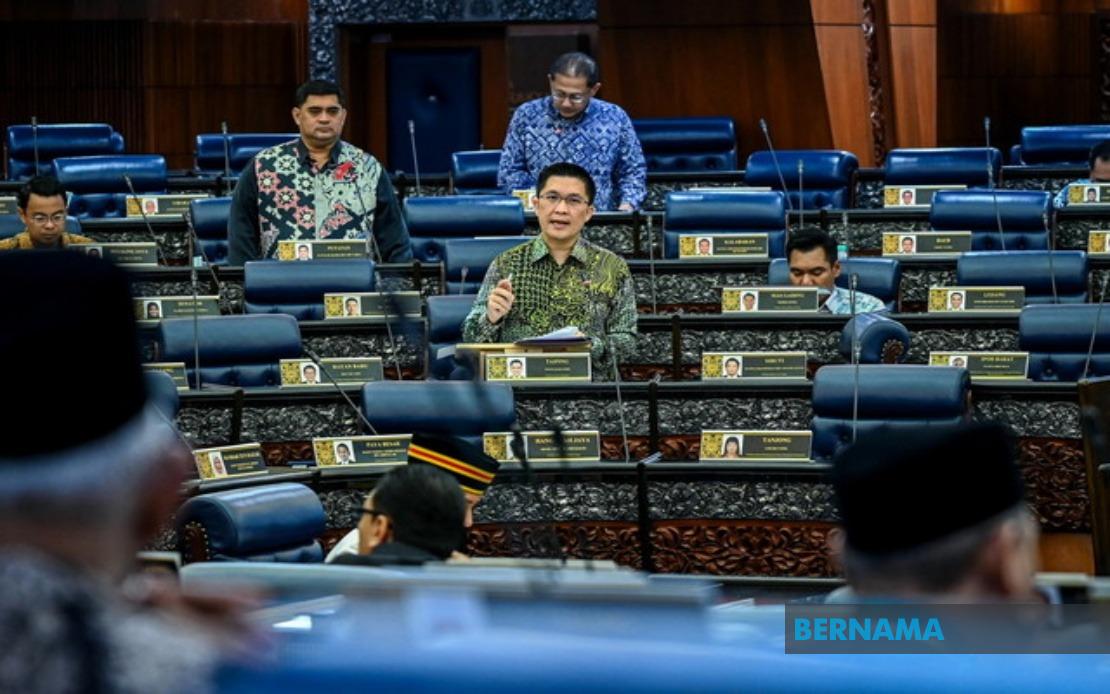
Malaysia's preschool education system has reached a staffing milestone with 99.8 per cent of teacher positions now filled, reflecting the government's commitment to expanding early childhood education across the nation. As of July 1, the Education Ministry (MOE) has successfully placed 10,478 preschool teachers in classrooms nationwide, according to Deputy Minister Wong Kah Woh during a parliamentary session on July 9. This near-complete staffing level represents significant progress in meeting the rising demand for quality preschool services, particularly as Malaysian families increasingly recognise the importance of early education in child development.
The aggressive recruitment drive over the past two years demonstrates the ministry's determination to strengthen its preschool infrastructure. Between 2023 and 2025, MOE deployed a total of 1,202 new preschool teachers, with the intention to continue systematic and phased recruitment aligned with projected growth in enrolment across different regions. This measured approach to hiring ensures that expansion occurs in a sustainable manner while maintaining adequate teacher-student ratios and quality of instruction. The deployment strategy takes into account geographical variations in demand, allowing the ministry to allocate resources where they are most needed.
Beyond mere recruitment numbers, MOE has invested significantly in professionalising the preschool teaching workforce through comprehensive training initiatives. The ministry has enhanced its pre-service and in-service training programmes to ensure educators meet contemporary standards in early childhood education. These programmes are designed to equip teachers with the pedagogical knowledge and practical competencies required to deliver quality learning experiences aligned with internationally recognised early childhood education frameworks. By strengthening teacher preparation and ongoing professional development, MOE aims to elevate the standard of preschool education across the nation's diverse communities.
The scale of the current preschool operation is substantial, with 10,491 classes in operation as of May 31, serving 217,026 pupils nationwide. This network represents a considerable government investment in early education infrastructure, though it also highlights the magnitude of remaining demand. The selection of locations for new or expanded preschool classes follows a data-driven methodology that considers multiple factors, including the number of children within the eligible age group and demonstrated local demand. This rational approach to site selection helps ensure efficient resource allocation and maximises accessibility for target beneficiaries across urban and rural areas alike.
The ministry has charted an ambitious expansion trajectory for the coming years. Wong announced that MOE is targeting the opening of an additional 300 preschool classes in the following year alone, a significant increase that would accommodate more children and reduce waitlists in underserved areas. Over the next five-year period, the ministry aims to open and bring into operation a cumulative total of 1,040 new classes, substantially expanding the nation's preschool capacity. This multi-year roadmap provides clarity on the government's commitment to progressive expansion and gives parents and communities confidence in planning access to early education services.
The expansion strategy addresses a critical gap in educational access, particularly for six-year-old children who have not yet attended preschool. Rather than viewing this cohort as lost, MOE continues to create opportunities for older children to benefit from structured early education programmes. The ministry recognises that preschool education provides essential developmental benefits regardless of whether children enter at the traditional age, and the expanded class capacity will allow more of these children to gain access to quality learning environments. This inclusive approach acknowledges the reality that not all Malaysian children have had equal access to preschool services historically.
Critically, MOE's expansion efforts extend beyond government infrastructure and classroom construction. The ministry is actively collaborating with State Education Departments, the Community Development Department (KEMAS), and other relevant agencies to improve preschool access across the nation. This multi-stakeholder approach recognises that government preschools alone cannot meet the entire demand and that partnerships with established community-based providers can accelerate progress. KEMAS, in particular, operates a significant network of community-based early childhood development centres, making it a natural and powerful collaborative partner. This coordinated strategy leverages existing capacity while building new government-provided services.
The staffing and expansion initiatives carry substantial implications for Malaysian families, particularly lower to middle-income households that depend on affordable government preschool services. As places become more readily available and teacher-student ratios improve, children benefit from more individualised attention and better learning outcomes. Research consistently demonstrates that quality early childhood education produces long-term benefits including improved academic performance, higher graduation rates, and enhanced social-emotional development. For Malaysia's economic competitiveness, investing in quality preschool education builds human capital from the foundation years onwards.
Regionally, Malaysia's preschool expansion efforts position the country as committed to achieving Universal Early Childhood Education targets aligned with sustainable development goals. As Southeast Asian nations increasingly prioritise education quality and accessibility, Malaysia's systematic approach to teacher recruitment, training, and infrastructure development provides a model for peer countries. The emphasis on data-driven planning and measurable targets offers lessons for other governments seeking to rapidly expand early education services while maintaining quality standards. The integration of government and community providers also reflects best practices in managing large-scale education expansion across diverse geographic contexts.
The parliamentary response to preschool education indicates growing political recognition of early childhood development's importance in Malaysia's human development strategy. The questions raised by parliamentarians and the ministry's detailed responses demonstrate accountability and public interest in preschool provision. As Malaysia advances economically and competitively, the investment in preschool education serves not only immediate child welfare objectives but also builds the educated workforce and human capital necessary for sustained economic growth and social development in coming decades.

