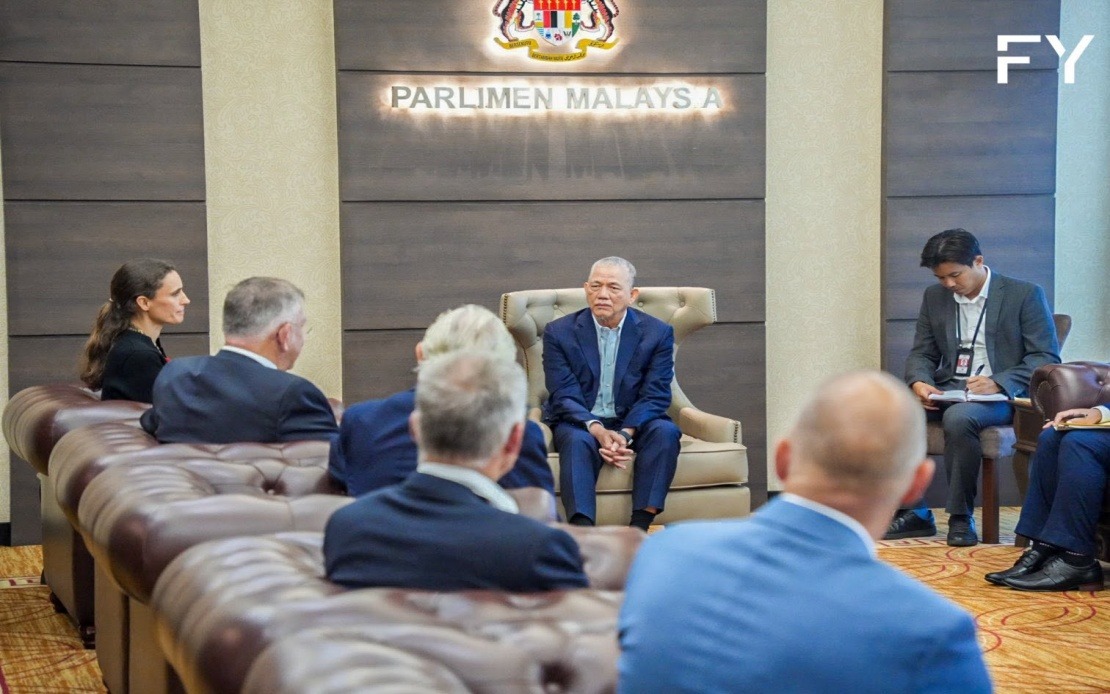
Malaysia is intensifying its push to attract German small and medium enterprises, with Deputy Prime Minister Datuk Seri Fadillah Yusof signalling strong receptiveness to investment flows from Europe's largest economy in emerging green sectors. During a parliamentary meeting with German Ambassador Silke Riecken-Daerr and representatives from the German SME Business Association, Fadillah underscored that such partnerships align squarely with Malaysia's broader sustainable development framework, indicating official commitment to channeling capital toward environmentally responsible industries rather than traditional heavy manufacturing.
The focus on green technology, renewable energy, and water management reflects a strategic shift in how Malaysia positions itself within global supply chains and investor networks. These sectors represent not merely environmental objectives but economic transformation priorities, as Southeast Asia faces mounting pressure to decarbonise while competing for premium foreign direct investment. German SMEs, known for engineering precision and technological innovation, bring particular value in these domains. The invitation signals Malaysia's recognition that specialist European firms can fill technology gaps that domestic enterprises and larger multinationals may not address.
The current German business presence in Malaysia provides a substantial foundation for expansion. Over 800 German companies already operate across Malaysian territory in diverse sectors, making Germany a consistent and trusted economic partner. This existing ecosystem of firms, supply chains, and expatriate expertise reduces barriers for new entrants and creates natural pathways for knowledge transfer and market entry. The depth of this engagement distinguishes Germany from many other developed economies and suggests that bilateral economic ties have matured beyond transactional relationships into structured, long-term collaborations.
Mechanical engineering and manufacturing technology represent traditional pillars of the German-Malaysian commercial relationship. Yet the government's latest outreach indicates appetite to broaden this foundation into sectors aligned with global decarbonisation trends and circular economy principles. Renewable energy projects, including solar installations, wind infrastructure, and battery technology, demand the precision engineering and reliability that German manufacturers have historically supplied. Water treatment technologies, critical for a tropical nation facing urbanisation pressures and climate variability, similarly require expertise that established German firms possess.
Beyond trade and investment flows, the meeting highlighted a secondary but equally consequential agenda: vocational education and technical training. Germany's dual education system—combining classroom instruction with apprenticeship in workplace settings—has produced generations of highly skilled workers and driven industrial competitiveness. Fadillah's emphasis on learning from this model signals recognition that Malaysia's economic future depends on workforce quality, not merely capital injection or infrastructure spending. Technical and Vocational Education and Training (TVET) reforms, supported by German institutional partnerships, could meaningfully improve human capital outcomes and worker productivity.
The timing of this engagement carries regional significance. Southeast Asia faces mounting competition for foreign investment as global supply chains reconfigure away from China and as energy transition reshapes industrial geography. Vietnam, Indonesia, and Thailand are simultaneously courting German businesses. Malaysia's explicit welcome, articulated at the deputy prime ministerial level, positions the country as proactively hospitable to selective, high-value foreign partners rather than passively accepting investment flows. This messaging matters for corporate decision-making, particularly among risk-conscious medium-sized firms evaluating multiple jurisdictions.
For Malaysian businesses, deeper German SME integration presents both opportunity and challenge. German firms often bring advanced processes, quality standards, and technology that can elevate domestic suppliers and contractors. Partnerships with German companies can expose Malaysian enterprises to international best practices and create pathways into global value chains. Simultaneously, competition from efficient European firms may displace less productive local operators, necessitating continuous improvement and specialisation among domestic companies seeking to remain competitive.
The emphasis on sustainability and green technology also reflects Malaysia's commitments under international climate agreements and investor expectations regarding environmental, social, and governance (ESG) standards. Multinational firms increasingly favour partners demonstrating genuine environmental stewardship, not merely regulatory compliance. German companies' reputation for rigorous sustainability practices can help Malaysian enterprises meet these rising expectations and access premium international markets and financing.
Bilateral trade between Malaysia and Germany has historically been robust, centred on chemicals, minerals, machinery, and electrical equipment. Expanding into green sectors could diversify trade baskets and create resilience against commodity price fluctuations. Investment in renewable energy infrastructure and environmental technologies also positions Malaysia favourably as global capital increasingly flows toward climate solutions and as carbon pricing mechanisms expand internationally.
The government's openness to German SME partnerships reflects confidence in the nation's business environment and regulatory stability. Deputy Prime Minister Fadillah's public articulation of this welcome, documented through social media, signals to investors worldwide that Malaysia actively competes for quality foreign capital and values long-term partnerships grounded in shared development goals. This approach contrasts with purely transactional recruitment of any available investment and suggests strategic selectivity about the type of companies and sectors Malaysia wishes to prioritise.
Looking ahead, the success of this initiative depends on translating diplomatic gestures into tangible support mechanisms: simplified regulatory pathways for green technology projects, investment incentives for firms pursuing sustainability goals, and concrete TVET collaboration agreements with German educational institutions. Malaysian state governments, particularly those with industrial parks and existing manufacturing bases, may play important roles in attracting and facilitating German SME operations within their jurisdictions.
The meeting represents part of broader Malaysian efforts to strengthen ties across Europe as geopolitical dynamics shift and trade relationships undergo rebalancing. While traditional partners remain important, Malaysia's receptiveness to German SME investment in forward-looking sectors demonstrates strategic flexibility and commitment to economic diversification beyond conventional manufacturing. For German small and medium enterprises, Malaysia offers a stable, English-speaking jurisdiction with established logistics infrastructure, existing German business networks, and growing demand for clean technology solutions—making this moment potentially opportune for market entry or expansion.