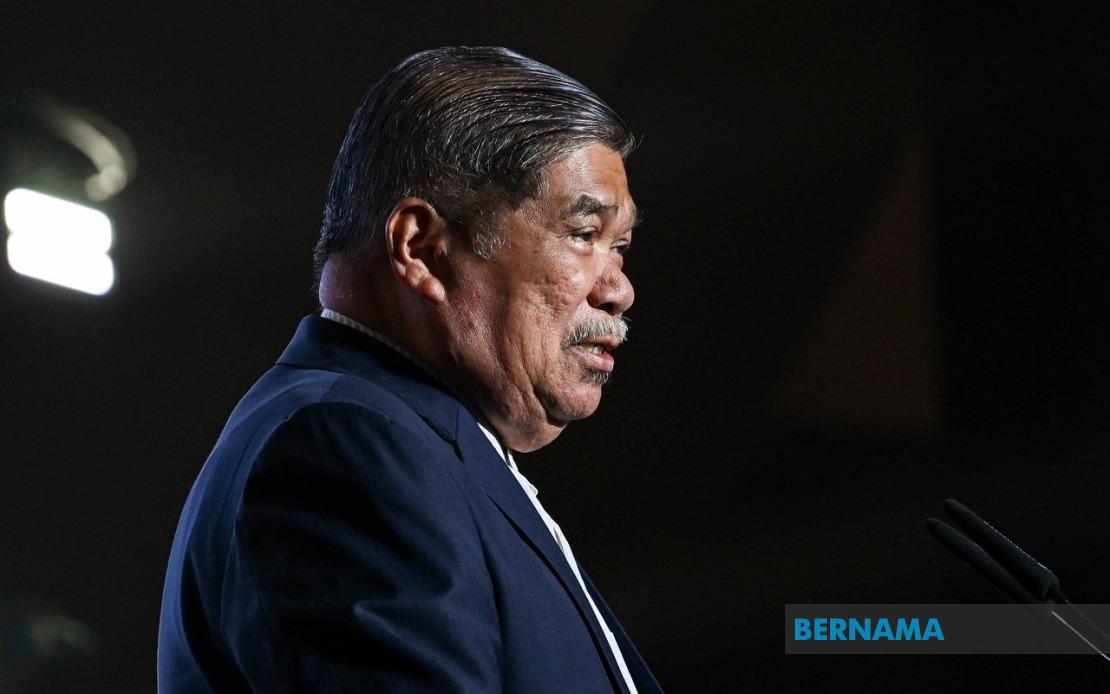
Malaysia is on track to resolve a prolonged trade dispute with Thailand, with government officials anticipating an announcement of negotiation outcomes by the end of July. The bilateral discussions centre on multiple agricultural and fisheries conflicts that have strained commerce between the two neighbours, most significantly the nearly decade-long Thai prohibition on Malaysian shrimp shipments that commenced in 2017. Agriculture and Food Security Minister Datuk Seri Mohamad Sabu disclosed the timeline while addressing participants at the Global Animal Production and Veterinary Industry Summit in Putrajaya, describing the current negotiation phase as the concluding stage following a fact-finding visit by Thai agricultural representatives to Malaysia.
The shrimp embargo represents the most visible irritant in Malaysia-Thailand agricultural relations, but it forms only one element of a more complex trade friction pattern. Thailand's stance on Malaysian aquaculture exports reflects deeper concerns about food safety standards and disease management in the region's seafood supply chains. The ban's persistence since 2017 suggests substantial technical or regulatory gaps that negotiators must reconcile before commerce can normalise. For Malaysia's fishing industry, this represents genuine economic hardship, as Thailand remains a significant market for premium shrimp varieties, and the prohibition has forced producers to redirect shipments elsewhere, often at less favourable terms.
Beyond the shrimp question, Malaysia seeks Thai approval for livestock product market access, a request that has languished unresolved since 2024. This application reflects growing Malaysian interest in expanding protein export markets as domestic production capacity increases. The livestock sector views Thai market entry as strategically important for absorbing surplus production and maintaining farmer viability across regions including Peninsular Malaysia and East Malaysia. Thai reluctance to approve this application likely stems from protectionist impulses within Thailand's domestic agricultural lobby rather than purely technical objections, a dynamic common in regional trade disputes.
Complications extend further with Thailand's own import restrictions. In June this year, Thailand implemented a shrimp import ban affecting Malaysian suppliers, effectively mirroring the earlier Malaysian grievance but operating in reverse. This tit-for-tat dynamic has characterised the relationship for years and suggests both nations employ trade restrictions as negotiating leverage. Additionally, Thailand has tightened inspection protocols for Malaysian seabass destined for Thai consumers, raising compliance costs and creating logistical burdens for Malaysian exporters. These layered restrictions indicate systemic mistrust regarding product safety standards between the neighbouring nations.
Minister Mohamad characterised the negotiation pace as unprecedented, asserting that resolving such disputes typically requires far longer periods. The accelerated timeline reflects several factors: political will from both capitals to improve bilateral relations, the involvement of senior ministry officials from Bangkok, and mutual recognition that agricultural trade benefits both economies. The formal inspections now underway represent a critical phase where Thai officials validate that Malaysian production facilities meet their sanitary and phytosanitary standards. Satisfactory findings could unlock approvals relatively swiftly once bureaucratic formalities conclude.
The timing of a potential announcement carries political significance for Malaysia. Demonstrating capacity to resolve longstanding trade impasses bolsters the Agriculture Ministry's standing within government and validates its engagement strategy toward Thailand. For the broader Malaysia-Thailand relationship, progress on agricultural disputes could create momentum for addressing other commercial frictions, potentially including sensitive maritime boundary issues and labour-related concerns. Regional stability benefits when neighbouring nations manage trade tensions through dialogue rather than escalation.
The Global Animal Production and Veterinary Industry Summit provided the venue for this ministerial pronouncement, and the conference itself underscores the region's growing focus on food security coordination. The 2026 gathering attracted 108 presenters, including 51 international experts from countries including China, Australia, the United Kingdom, Indonesia and Vietnam. This assembly of agricultural specialists reflects recognition that food security challenges—disease management, production efficiency, market access, and safety standards—transcend national borders and demand multilateral approaches.
For Malaysian readers, a successful resolution carries immediate implications. Shrimp producers and exporters would regain access to a major regional market, potentially improving farm-gate prices and farmer incomes. Livestock exporters awaiting Thai approval would finally pursue planned expansion projects. Consumers might eventually benefit from improved market competition and potential price adjustments as trade normalises. However, the negotiation's success depends on Thailand's willingness to accept Malaysian certifications and standards, and on Malaysia's continued commitment to meeting Thai requirements.
The broader context includes Southeast Asia's ongoing efforts to deepen regional trade integration despite periodic bilateral frictions. The ASEAN framework theoretically encourages member states to resolve disputes expeditiously and maintain open commerce. Yet agriculture remains a sensitive sector where domestic producer interests often override multilateral commitments. Malaysia and Thailand's negotiation experience may offer lessons for other ASEAN partners navigating similar agricultural trade barriers. The resolution pattern they establish could influence how future disputes are managed within the regional bloc.

