Parliament has taken a significant step in strengthening child protection measures by approving the Sexual Offences Against Children (Amendment) Bill 2026, which grants Malaysian authorities jurisdiction over offences perpetrated outside the country's borders. The legislative move, endorsed by the Dewan Rakyat on June 30 through a majority vote following substantive debate among 25 lawmakers from government and opposition benches, represents a coordinated effort to close legal loopholes that have historically allowed perpetrators to evade accountability by committing crimes in foreign jurisdictions.
The expansion of extraterritorial jurisdiction addresses a longstanding vulnerability in Malaysia's child protection framework. Individuals with Malaysian connections—whether citizens, permanent residents, or those maintaining significant ties to the country—have previously been able to exploit the geographic limitations of domestic law by committing sexual offences against children in jurisdictions with weaker enforcement mechanisms or inadequate cooperation protocols. This amendment fundamentally alters that calculus by enabling Malaysian authorities to pursue such cases regardless of where the crime occurred, provided there exists a jurisdictional nexus to Malaysia.
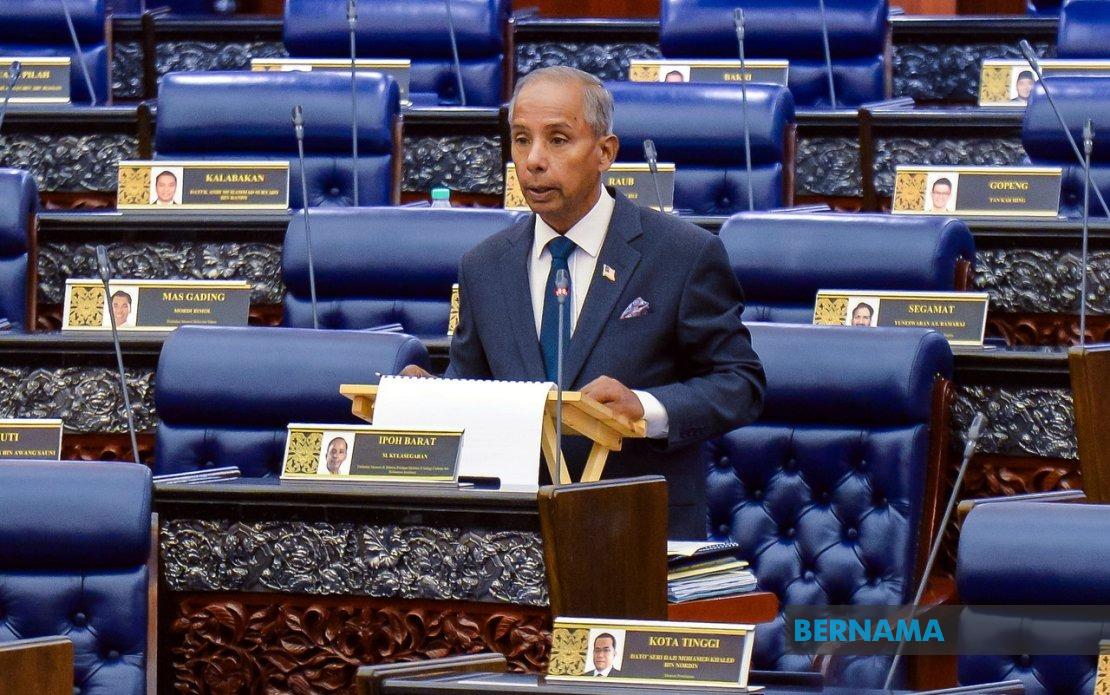
Deputy Minister M. Kulasegaran, speaking from the Prime Minister's Department (Law and Institutional Reform), clarified the legislative intent and scope during the bill's conclusion. The amendment, he emphasized, reflects a deliberate policy choice to prevent offenders from circumventing justice through geographic relocation or transnational activity. By extending Malaysia's reach into foreign criminal conduct, the law acknowledges the reality of modern child exploitation, which increasingly operates across borders through digital platforms and international networks.
Crucially, Kulasegaran outlined the principle of concurrent jurisdiction that underpins the amendment. Malaysia will not automatically assume primary investigative or prosecutorial authority over all overseas cases involving Malaysian nationals or residents. Instead, the jurisdiction of the country where the offence occurred remains paramount, with that nation retaining initial investigative prerogatives and the right to prosecute under its own legal framework. This approach respects international sovereignty while enabling Malaysia to act when circumstances warrant.
The mechanism for resolving potential jurisdictional conflicts is grounded in international cooperation and consultation. When allegations are reported simultaneously in multiple countries, Malaysian authorities will engage in dialogue with their foreign counterparts through established diplomatic and law enforcement channels to determine the most suitable forum for investigation and prosecution. This determination incorporates multiple considerations: the factual circumstances of the case, the strength and availability of evidence in each jurisdiction, the location and accessibility of witnesses, and the broader interests of justice in achieving accountability and protecting victims.
This legislative development holds particular significance for the Southeast Asian region, where child exploitation networks frequently operate across multiple countries and exploit regulatory gaps between different legal systems. The amendment positions Malaysia as a jurisdiction willing to pursue accountability even when crimes occur beyond its borders, potentially deterring perpetrators who might otherwise rely on territorial sanctuary. The move aligns with international standards and conventions on child protection that increasingly recognize extraterritorial jurisdiction as essential to combating transnational child abuse.
The bipartisan support reflected in the parliamentary vote—with both government and opposition members engaging substantively in debate—signals broad political consensus on strengthening child protection mechanisms. This cross-party solidarity is noteworthy in a political environment often characterized by adversarial positions, suggesting that child safety represents a fundamental issue transcending partisan divisions. The passage of the amendment demonstrates Parliament's commitment to addressing vulnerable populations through legislative innovation.
Implementation of the extraterritorial jurisdiction will require enhanced coordination between Malaysian law enforcement agencies, international partners, and regulatory bodies. The Royal Malaysian Police, the Attorney General's Chambers, and relevant intelligence agencies will need to develop protocols for investigating overseas allegations, gathering evidence through international channels, and securing cooperation from foreign governments. These operational frameworks will be critical to translating legislative intent into effective prosecution.
The amendment also has implications for Malaysia's international standing and treaty obligations. Many countries have progressively adopted extraterritorial child protection laws as part of broader commitments to international conventions such as the United Nations Convention on the Rights of the Child and its Optional Protocols. Malaysia's legislative step demonstrates alignment with global efforts to combat transnational child exploitation and may facilitate improved information-sharing and mutual legal assistance with partner nations pursuing similar objectives.
For Malaysian parents, educators, and civil society organizations engaged in child protection, the amendment represents recognition that threats to children extend beyond domestic boundaries. The law acknowledges that perpetrators may exploit international mobility to access victims in vulnerable jurisdictions or to evade consequences. By establishing Malaysian jurisdiction over such conduct, the amendment reinforces the principle that Malaysian children—and potentially children victimized by Malaysians abroad—deserve protection regardless of where exploitation occurs.
The passage of this legislation comes amid growing global attention to online child exploitation, human trafficking for sexual purposes, and organized abuse networks that operate transnationally. Jurisdictional expansion provides Malaysian authorities with additional legal tools to address these phenomena and to cooperate effectively with international partners investigating complex cases involving multiple countries. The amendment thus represents not merely a technical modification to existing law but a substantive recalibration of Malaysia's approach to protecting children in an increasingly interconnected world.

