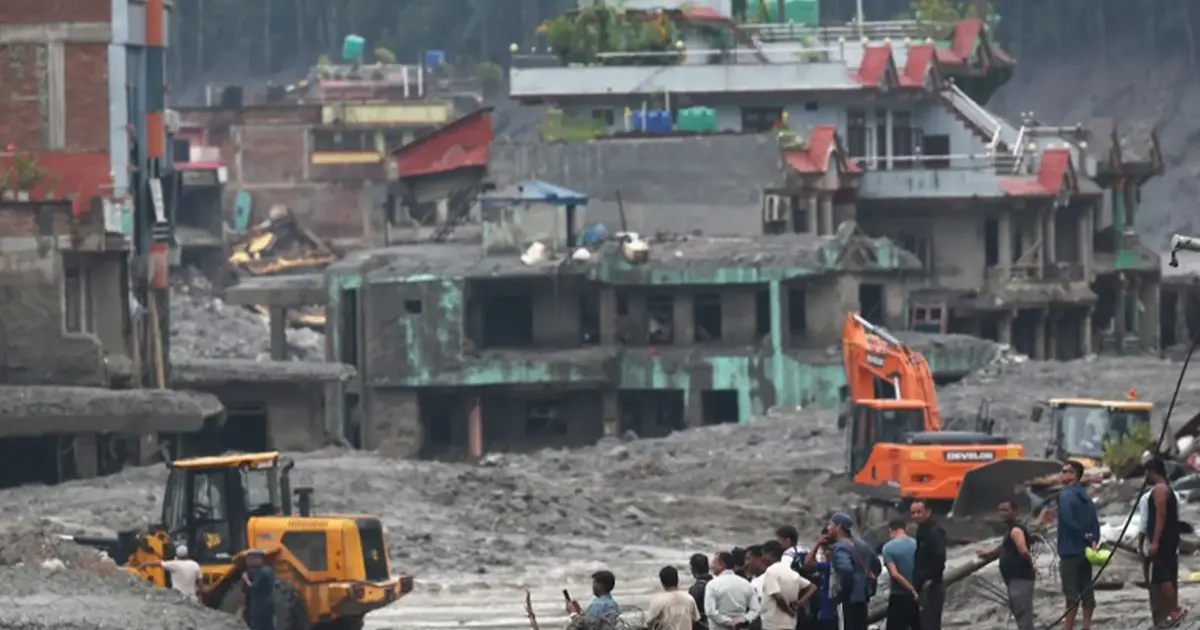
Malaysia is preparing to dispatch its SMART disaster response team to Nepal, according to an announcement by Prime Minister Anwar Ibrahim. The decision reflects the country's commitment to regional humanitarian assistance and its readiness to mobilise specialist resources in times of crisis. Coordination between Malaysian officials and their Nepali counterparts is already underway to ensure the mission can be launched at the earliest opportunity.
The SMART team, which stands for Search and Rescue Management and Relief Teams, represents Malaysia's primary mechanism for rapid response to disasters across the region. This unit has been instrumental in Malaysia's previous humanitarian interventions, bringing together specialised personnel trained in search and rescue operations, medical support, and emergency relief distribution. The team's deployment to Nepal signals the gravity with which Malaysia views the humanitarian situation there and demonstrates the nation's capacity to project soft power through disaster assistance.
Prime Minister Anwar Ibrahim's involvement in coordinating the deployment underscores the political significance of the mission. His direct oversight suggests that Malaysia is treating this not merely as a routine disaster response but as an opportunity to strengthen bilateral relations with Nepal. The SMART team's composition typically includes rescue specialists, medical personnel, logistics coordinators, and equipment operators—comprehensive expertise designed to address the multifaceted challenges that emerge in disaster scenarios.
The coordination process between Malaysian and Nepali government agencies involves multiple layers of diplomatic and operational planning. On the Malaysian side, this includes the Prime Minister's office, relevant ministry departments, and emergency management authorities. The Nepali government must simultaneously assess its capacity needs, designate operational zones where the team can work most effectively, and ensure logistical support for the incoming Malaysian contingent. Such coordination in a compressed timeframe requires both nations to streamline their usual bureaucratic procedures.
Nepal's geography and infrastructure present particular challenges for disaster response operations. The Himalayan nation's mountainous terrain, limited transportation networks, and sometimes volatile weather conditions can complicate the deployment and operation of international assistance teams. Malaysia's SMART team has experience managing these environmental constraints, having previously operated in similar challenging landscapes across Southeast Asia and the broader region. This experience base makes the Malaysian team a valuable asset for Nepal's recovery efforts.
Regional observers have noted that such bilateral disaster assistance initiatives serve multiple purposes beyond immediate humanitarian relief. They strengthen diplomatic ties, build institutional relationships between countries, and demonstrate a nation's technical capabilities and willingness to contribute to regional stability. For Malaysia, the SMART deployment represents an investment in its standing within South Asia and reinforces its image as a responsible regional actor capable of rapid, effective response to crises.
The timing of Malaysia's commitment is particularly noteworthy given the current geopolitical climate in Asia. As nations increasingly compete for influence through economic, military, and diplomatic means, humanitarian assistance has become an underutilised but powerful tool for building goodwill and fostering lasting relationships. Malaysia's proactive positioning of its disaster response capability positions the country favourably among its neighbours and signals sophisticated understanding of soft power dynamics.
Nepal has experienced recurring natural disasters, including severe earthquakes in 2015 that killed thousands and displaced hundreds of thousands. The country has made incremental progress in disaster preparedness and response capacity building since then, but international assistance remains crucial during major crisis events. The arrival of Malaysia's SMART team will supplement Nepal's own emergency management structures and provide technical expertise that may accelerate relief operations.
For Malaysian security and humanitarian personnel, deployment to Nepal represents both a professional challenge and an opportunity to expand their operational experience in complex emergency environments. Members of the SMART team will gain invaluable insights into disaster management in a different geographical and institutional context, knowledge that enhances Malaysia's overall disaster response capability. This cross-border experience exchange benefits both nations by building networks of professional relationships and shared understanding of best practices.
The deployment also carries broader implications for Southeast Asian regional cooperation mechanisms. Malaysia's willingness to engage in proactive humanitarian assistance without waiting for formal multilateral coordination structures demonstrates how individual nations can drive regional responsiveness to crises. This approach complements the work of organisations like ASEAN Coordinating Centre for Humanitarian Assistance (AHA Centre) while showcasing bilateral capacity and will.
From a domestic Malaysian perspective, international disaster assistance deployments reinforce the professional status and social importance of emergency response workers. Public recognition of SMART team members' contributions abroad can boost domestic morale within these services and attract skilled personnel to specialised disaster management careers. The visibility of Malaysia's humanitarian expertise on the international stage strengthens the narrative of the nation as a capable, compassionate actor on the world stage.
As operational details continue to be finalised between Malaysian and Nepali authorities, the deployment represents Malaysia's pragmatic approach to regional engagement. Rather than confining disaster assistance to neighbouring ASEAN members, Malaysia recognises that effective humanitarian leadership demands responsiveness to crises wherever they occur. The SMART team's journey to Nepal exemplifies how technical capacity, diplomatic coordination, and humanitarian commitment converge in modern international relations.

