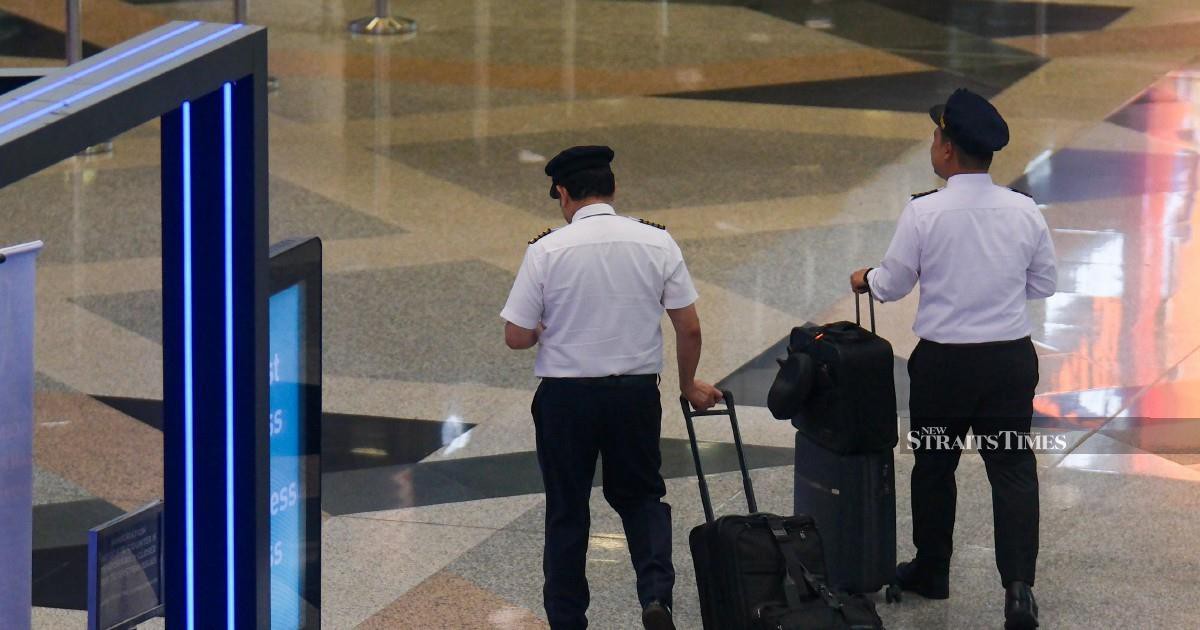
Malaysia Corruption Watch (MCW) is pushing for investigations into the apprehension of a commercial pilot carrying narcotics in Indonesia to prioritise uncovering systemic vulnerabilities within KLIA's security infrastructure, signalling concern that the probe may otherwise devolve into bureaucratic finger-pointing without addressing underlying operational failures.
The watchdog's intervention reflects a growing anxiety within Malaysian civil society that high-profile security incidents at the country's flagship airport risk becoming occasions for inter-agency disputes rather than catalysts for meaningful institutional reform. MCW's position suggests that determining which government body bears administrative responsibility, whilst important, should not overshadow the fundamental question of how contraband bypassed multiple checkpoints at one of Southeast Asia's busiest aviation hubs.
KLIA operates as a critical gateway handling millions of passengers annually and serves as a crucial node in regional and international travel networks. The airport's security architecture comprises multiple layers involving customs, immigration, airport police, and dedicated screening personnel. When breaches occur, MCW's argument implies, the instinct to assign blame risks obscuring the technical, procedural, or resource-related deficiencies that enabled the breach in the first place.
The timing of MCW's call reflects a broader pattern observed across Malaysian governance: high-profile incidents often trigger investigations that emphasise accountability at the individual or departmental level without translating into systemic improvements. By steering the conversation toward structural weaknesses rather than agency culpability, MCW is advocating for an approach more likely to yield actionable recommendations and concrete security upgrades.
For Malaysia's tourism and aviation sectors, incidents involving contraband smuggling at KLIA carry reputational consequences extending beyond the immediate criminal matter. Southeast Asian countries competing for regional air traffic share concerns about passenger confidence and international perception. A security breach that becomes subsumed within internal blame disputes sends a weaker message to stakeholders about the airport operator's commitment to continuous improvement than one transparently addressed through structural auditing.
MCW's emphasis on investigative focus reflects international best practice in security auditing, where post-incident reviews prioritise process analysis over culprit identification. Airports globally have strengthened detection capabilities by examining failed screening protocols, identifying gaps in staff training, or revealing resource constraints that compromised thorough inspection procedures. Such forensic examination often uncovers how well-intentioned security procedures breakdown under operational pressures or how technological systems fail to function as designed.
The case also illuminates the complexity of international aviation security, where jurisdiction and responsibility can blur. A pilot operating under Malaysian registration, arrested whilst carrying contraband through Indonesian territory, creates overlapping investigative domains. MCW's intervention usefully reminds authorities that the incident's origins lie at KLIA, making the airport's operational review the logical investigative starting point regardless of where the arrest ultimately occurred.
For Malaysia's law enforcement community, MCW's guidance suggests reframing the investigation as an opportunity to benchmark KLIA's security performance against regional and international standards. This approach transforms a potentially embarrassing incident into data-gathering exercise that could benefit other Malaysian airports and transport hubs vulnerable to similar vulnerabilities. Penang International Airport, Kuching International Airport, and Kota Kinabalu International Airport, among others, might benefit from lessons derived from rigorous security gap analysis at KLIA.
The watchdog's position also carries implicit criticism of how Malaysian institutions typically respond to security failures: through defensive posturing and jurisdictional disputes rather than transparent root-cause analysis. MCW's intervention serves as a gentle but firm reminder that public confidence in airport security depends on visible commitment to identifying and fixing vulnerabilities, not on protracted bureaucratic squabbles over which agency bears responsibility for the breach.
Investigators now face a choice between two investigation models. The narrower approach focuses on determining whether customs, airport police, or screening personnel failed specific duties, potentially leading to disciplinary action but no systemic improvement. The broader approach, which MCW advocates, examines whether security protocols themselves are adequate, whether detection equipment functions reliably, whether staff possess sufficient training, and whether resource allocation matches the airport's operational demands.
MCW's call carries particular weight given Malaysia's ongoing efforts to strengthen anti-corruption and transparency frameworks. By urging investigators to prioritise institutional learning, the watchdog signals that genuine security improvement matters more than convenient scapegoating. This approach aligns with international standards emphasising that effective security enhancement requires understanding how systems fail before identifying which person failed to operate the system correctly.
The investigation's outcome will likely influence how Malaysian authorities approach similar incidents going forward. If the probe ultimately focuses on individual culpability, future security breaches may trigger similar defensive responses. If MCW's advocacy succeeds in reorienting investigative priorities, KLIA and other Malaysian airports could establish a precedent for treating security failures as systemic problems requiring institutional solutions rather than as occasions for organisational blame displacement.

