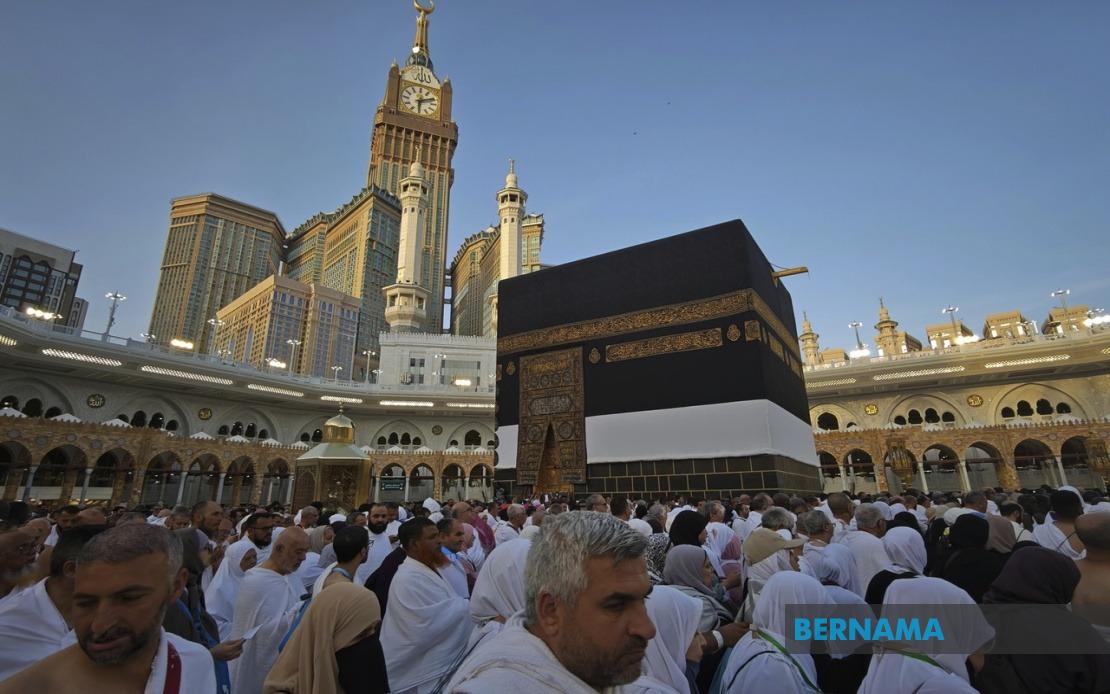
Malaysia's Consulate General in Jeddah has firmly rejected circulating claims on social media suggesting that Malaysian haj pilgrims remain stranded in Saudi Arabia following the 1447H/2026 pilgrimage season. The diplomatic mission issued a categorical statement on Sunday clarifying that all Malaysian participants in this year's haj have successfully concluded their religious journey and returned to Malaysian soil in accordance with the established schedule coordinated by the Pilgrims Fund Board, commonly known as Tabung Haji.
The consulate's statement underscores a broader pattern of misinformation that periodically emerges during and after the annual pilgrimage, when thousands of Malaysian Muslims undertake one of Islam's five pillars. The denials come as social media platforms continue to amplify unverified claims about the logistics of large-scale haj operations, highlighting the vulnerability of public discourse to false narratives during religiously significant periods. For Malaysian families awaiting the return of loved ones, such rumours can cause unnecessary anxiety and distress, making official clarifications essential.
Tabung Haji, the state-sponsored body responsible for managing Malaysian haj pilgrimages since 1963, maintains meticulously coordinated schedules to ensure the orderly movement of tens of thousands of pilgrims across multiple flights and logistical checkpoints. The organisation's planning involves coordination with Saudi authorities, Malaysian aviation carriers, and ground service providers to manage what is effectively a mass migration event spanning weeks. When the Consulate General confirms that all participants have returned according to the prescribed timeline, it reflects the successful execution of these complex arrangements, though occasional delays or unforeseen circumstances can necessitate public communication.
The emergence of false claims about stranded pilgrims illustrates how digital platforms can rapidly amplify unverified information, particularly when it touches on emotionally resonant subjects like religious observance and family welfare. The consulate's measured response—urging the public to disregard unverified content and rely on official channels—reflects best practices in crisis communication, though it also highlights gaps in information accessibility that permit rumours to flourish. Malaysian media organisations, religious authorities, and government agencies have increasingly recognised the need for proactive, transparent communication during haj season to counteract misinformation before it spreads widely.
For Malaysia, haj logistics represent a significant administrative undertaking that extends beyond mere transport. The pilgrimage involves medical screening, visa processing, accommodation coordination in Mecca and Medina, and catering for diverse dietary and accessibility needs. The successful return of all participants according to schedule represents the culmination of months of preparation by Tabung Haji staff, consular personnel, and supporting agencies. Any disruption to this timeline—whether caused by security concerns, health emergencies, or logistical complications—would be addressed through coordinated protocols that prioritise pilgrim safety and welfare.
The consulate's advisory for the public to rely exclusively on official sources carries particular relevance in Southeast Asia's increasingly polarised information environment. Malaysian citizens, like those across the region, navigate competing claims through social media platforms where verification standards remain minimal. Religious institutions, government agencies, and trusted media outlets bear a shared responsibility for establishing credible information channels that can counter falsehoods effectively. The Consulate General's intervention represents one dimension of this broader effort, though systemic media literacy and institutional transparency remain essential for long-term solutions.
Tabung Haji's track record in managing large pilgrim cohorts has generally been reliable, though the organisation has faced periodic criticism regarding accommodation standards, fare structures, and service quality. The successful execution of transport logistics, however, remains consistently demonstrated across multiple haj seasons. The return of the 1447H/2026 batch on schedule aligns with historical patterns, though each season presents unique challenges depending on Saudi Arabia's crowd management policies, global health conditions, and geopolitical circumstances affecting travel.
Beyond the immediate clarification, the incident underscores the importance of transparent communication from Malaysian diplomatic missions. The Jeddah consulate's direct statement serves not only to correct misinformation but also to reassure families that official channels remain vigilant and responsive to concerns. For future pilgrimages, such proactive engagement with potential rumours could potentially mitigate panic and preserve public confidence in haj management systems. The consulate's suggestion that citizens consult official sources requires those sources to be equally accessible, timely, and comprehensive in their reporting.
The broader context of haj administration in Malaysia reflects the government's longstanding commitment to facilitating religious practice while managing the substantial logistical demands of mass international travel. Tabung Haji's evolution from a simple savings scheme into a comprehensive pilgrimage management organisation demonstrates institutional development, though ongoing scrutiny regarding governance and service delivery remains valid. The 1447H/2026 season's successful conclusion, marked by timely returns, represents a positive operational outcome that validates the existing framework, even as discussions about improvements continue.
Moving forward, the experience of confronting false claims about stranded pilgrims suggests opportunities for enhanced communication strategies. Real-time updates about flight schedules, arrival confirmations, and logistical milestones could be disseminated more broadly through multiple channels, reducing information vacuums that rumours exploit. Greater coordination between Tabung Haji, the Consulate General, and Malaysian media organisations could establish more robust early-warning systems for potential disruptions, ensuring that accurate information reaches the public faster than speculation can spread. Such investments in transparency and accessibility would strengthen institutional credibility across Malaysian society while reducing anxiety among pilgrims and their families during subsequent haj seasons.

