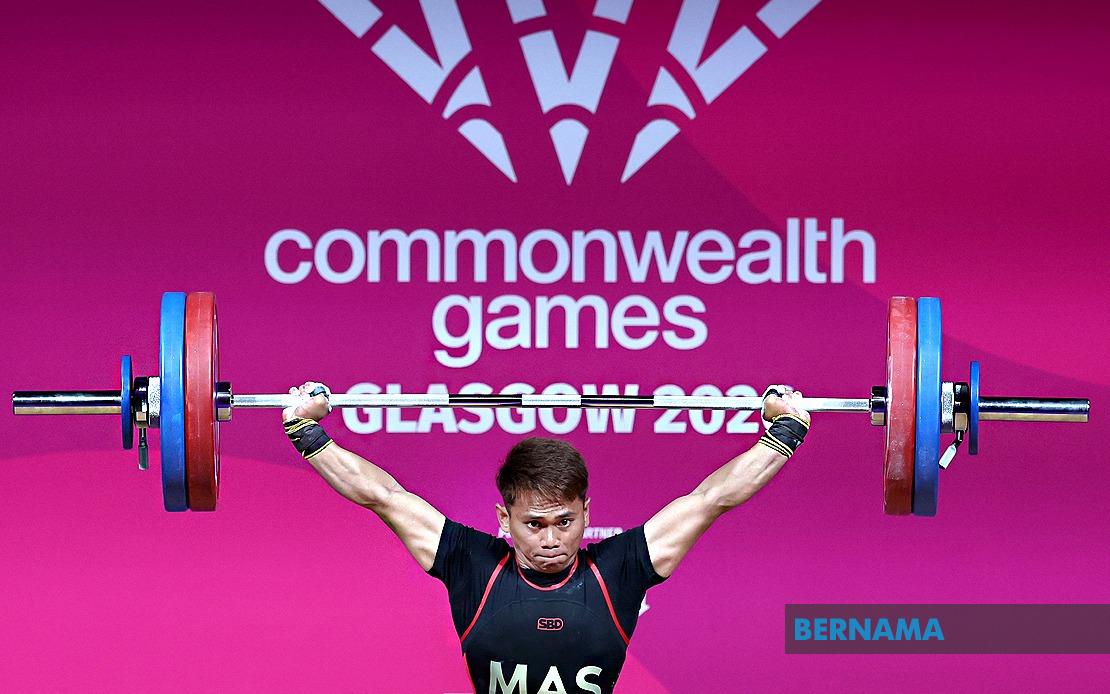
Malaysia has secured its opening gold medal at the 2026 Commonwealth Games through weightlifter Mohamad Aniq Kasdan, whose commanding performance in Glasgow has drawn congratulations from Prime Minister Datuk Seri Anwar Ibrahim and sparked nationwide pride in the country's sporting achievements. The 24-year-old lifter's triumph at Scottish Event Campus Armadillo represents a significant milestone for Malaysian sport on the international stage, marking the beginning of what officials hope will be a medal-laden campaign in Scotland.
Kasdan's winning performance demonstrated technical precision and raw power as he managed a combined lift of 273kg in the men's 60 kilogramme weightlifting category. Breaking down his achievement, the Malaysian lifter executed a snatch of 121kg and followed with a clean and jerk of 152kg, both components of competitive weightlifting that require distinct strength profiles and technique. These lifts were sufficient not only to claim the gold medal but also to establish a new Commonwealth Games record in this weight class, an accomplishment that reflects the quality of preparation undertaken by Kasdan and his coaching team.
The competitive field in Glasgow was formidable, with India's Rishikanta Singh Chanambam mounting a determined challenge to finish second with a combined lift of 264kg. Kenya's Joshua Amunga Mboya claimed the bronze medal position with a total of 260kg. The margin of victory—nine kilograms separating gold from silver—underscores Kasdan's dominance in the competition and the refined execution of his technical strategy during the event. For Malaysian weightlifting, this result reinforces the discipline's potential as a consistent source of international medals at major sporting competitions.
Prime Minister Anwar Ibrahim acknowledged the significance of Kasdan's achievement through a social media statement released on the day of competition. In his remarks, Anwar emphasized that the entire nation took pride in the weightlifter's performance and recognized the international standing it conferred upon Malaysia. The Prime Minister's public recognition of sporting excellence serves both to honour individual achievement and to signal government appreciation for the dedication required to compete at elite international level.
Extending beyond mere congratulation, Anwar used the moment to motivate Malaysia's broader contingent of athletes competing at the Games. He encouraged the remaining team members to draw inspiration from Kasdan's success and to channel similar competitive spirit toward their own events. The Prime Minister's statement that "the entire country's prayers are with you all" reflects a broader cultural significance attached to sporting representation, positioning athletes as embodiments of national aspiration and collective hope during international competitions.
The Commonwealth Games format in weightlifting, particularly at the 60kg level, attracts competitive entries from nations with strong weightlifting traditions across the Commonwealth. Malaysia's success in this category demonstrates the country's capacity to compete against established powerhouses in the sport, particularly India and Kenya, both of which fielded competitive athletes in Glasgow. Kasdan's victory suggests that Malaysian weightlifting development programmes have successfully produced athletes capable of international podium finishes at prestigious multi-sport events.
For Malaysia's 2026 Commonwealth Games campaign, Kasdan's gold provides crucial early momentum. First medals at international competitions often catalyze heightened team morale and amplify media coverage, both of which contribute to creating favourable conditions for subsequent competitors. The achievement also validates investment in weightlifting infrastructure and coaching expertise within Malaysia's sports system, lending credibility to high-performance development strategies that prioritize technical sports disciplines.
Weightlifting remains a discipline where small nations with focused development programmes can achieve outsized results relative to their overall sporting capacity. Malaysia's success through Kasdan exemplifies this dynamic, as does the sport's emphasis on individual rather than team performance, allowing concentrated resources to generate medal returns. The establishment of a Games record simultaneously demonstrates that Kasdan has performed at his peak capability, a positive indicator for potential future competitions at regional and international level.
The timing of Malaysia's opening gold medal carries psychological weight for the national team. Early success establishes positive narrative momentum and provides tangible evidence that competition strategies and athlete preparation have proven effective. Sports commentators and media outlets will likely frame this achievement as validation of Malaysian sporting development, potentially influencing public enthusiasm for following events and generating increased viewership of Malaysian athletes across various disciplines throughout the Games.
Looking forward, Kasdan's performance establishes a benchmark for Malaysian weightlifting excellence that future competitors will aspire to match or surpass. The achievement also reinforces weightlifting's status within Malaysia's sporting portfolio, potentially attracting enhanced sponsorship interest and talent development pathways for younger athletes identifying weightlifting as a career pursuit. Internationally, the result confirms Malaysia's place among competitive nations in Commonwealth weightlifting, a distinction that carries implications for future Games hosting and athlete recruitment considerations.

