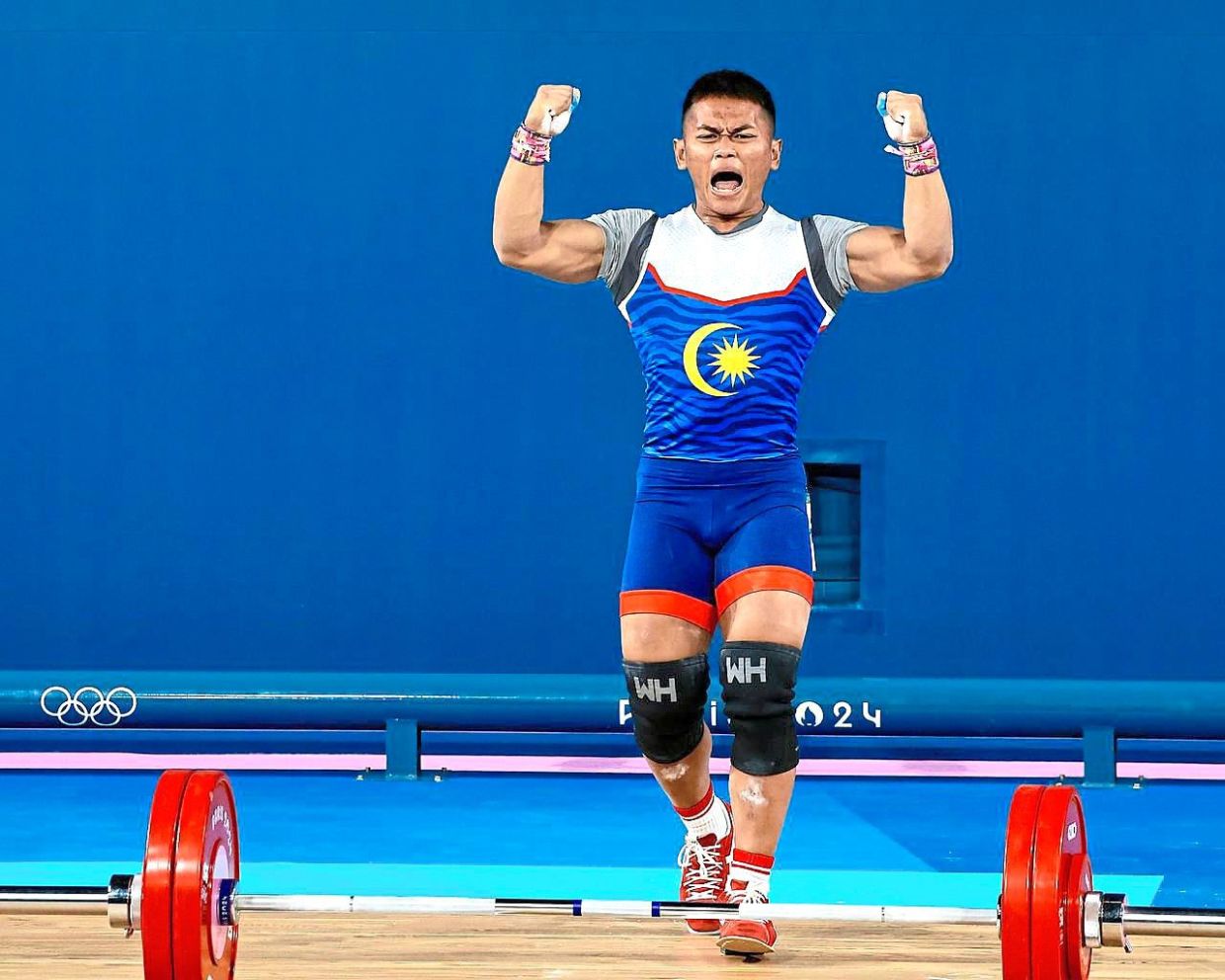
The national weightlifting programme is set for substantial expansion after the squad's commanding display at the Glasgow Commonwealth Games prompted the Youth and Sports Ministry to commit fresh funding towards the sport's future development. The decision to allocate an extra RM1 million comes in recognition of the weightlifters' exceptional contribution to Malaysia's overall medal tally at the Games, cementing their status as one of the nation's most reliable Olympic pathways. Minister Dr Mohd Taufiq Johari announced the investment following consultations with the Malaysian Weightlifting Federation and the National Sports Council, signalling coordinated government backing for a strategic push to entrench the sport's competitiveness at international level.
The Glasgow performance provided compelling justification for this commitment. Weightlifters returned with five gold medals, one silver, and one bronze—a haul that single-handedly accounted for a significant portion of Malaysia's eight-gold overall medal count at the Games. This concentration of success in one discipline underscores both the depth of talent in the sport and the effectiveness of existing training structures, yet also highlights the vulnerability of relying so heavily on one athletic sector. The breadth of the medallists' ages and experience levels suggested a healthy pipeline of emerging competitors, reinforcing the ministry's confidence in weightlifting's capacity to sustain medal production across future Commonwealth and Olympic cycles.
Beyond the immediate cash injection, the ministry has committed to infrastructure improvements that promise to reshape the competitive landscape domestically. The Rompin weightlifting training centre, which has functioned as the primary development hub, is earmarked for substantial upgrading with the ambitious goal of transforming it into a Sports Centre of Excellence. Such designation typically brings not only improved equipment and facilities but also standardised coaching methodologies and enhanced monitoring systems. For Malaysian weightlifters, particularly those from smaller states without dedicated facilities, this development could democratise access to world-class training environments and reduce the geographic concentration of success that has historically characterised elite sporting development in the country.
The appointment of a dedicated full-time coach stationed permanently at Rompin represents another strategic shift in resource allocation. Critically, this position will prioritise female athlete development, addressing a recognised gender imbalance in competitive weightlifting in Southeast Asia and the broader region. Women's weightlifting has expanded significantly in international competition over the past decade, with increased funding and specialist coaching for female athletes translating directly into improved performance metrics and medal outcomes across many nations. Malaysia's decision to make gender-targeted coaching investment an explicit priority suggests policy-makers recognise this opportunity and view women's weightlifting as an untapped avenue for future medals.
The quota expansion within the National Sports Council development programme will take effect after the Malaysia Games, with selection criteria emphasising demonstrated potential and adherence to established benchmarks. This measured approach—allowing the ongoing Malaysia Games cycle to conclude before enlarging the cohort—prevents disruption to current competitions while signalling that expansion will be merit-based rather than merely numerical. Athletes who meet rigorous standards will gain access to enhanced support pathways, creating clear incentive structures for continuous improvement. The timing also reflects administrative pragmatism, ensuring that quota increases and associated resources roll out smoothly once current competitions conclude.
For Malaysian sports policy, the weightlifting investment exemplifies a broader strategic doctrine: concentrating substantial resources on proven medal-winning disciplines rather than dispersing support across numerous sports with lower return on investment. Weightlifting's efficiency in converting government funding into international medals makes it an attractive focal point for strategic resource allocation, particularly as Malaysia navigates competitive pressures from neighbouring nations like Thailand and Indonesia, which have also invested heavily in Olympic-pathway sports. The decision signals confidence that continued funding will yield sustained competitive advantage.
The initiative also carries implications for coach development and expertise-building within Malaysia's wider sporting ecosystem. Attracting and retaining qualified weightlifting coaches requires competitive compensation and career pathways; by establishing a permanent full-time coaching role at an upgraded facility, the ministry creates an attractive destination for coaching talent and expertise. This infrastructure matters considerably because elite coaching knowledge—understanding periodisation, nutrient management, biomechanical analysis, and psychological preparation—represents a crucial competitive differentiator that cannot be easily replicated through facility upgrades alone. Building institutional coaching capacity generates spillover benefits for adjacent sports and contributes to broader capacity-building across the country's sporting apparatus.
From a Southeast Asian perspective, Malaysia's commitment to weightlifting strengthens the region's competitive position in Olympic and Commonwealth competition. The sport remains one where Asian nations, particularly in East and Central Asia, have historically dominated; Malaysia's investment in female weightlifting development and grassroots programmes positions it to compete more effectively in a region where sustained medal production requires long-term systemic development rather than one-off achievements. The Glasgow medals, whilst impressive, represent the culmination of years of prior investment; the additional RM1 million and facility upgrades represent the next generational commitment required to prevent performance plateaus.
Minister Taufiq's framing of the investment as both recognition of achievement and long-term ecosystem-building encapsulates the philosophy underpinning the decision. Weightlifting has demonstrated return on investment; the ministry's response is to deepen that commitment rather than bank short-term gains and redirect resources elsewhere. This approach contrasts with inconsistent funding patterns that have sometimes undermined Malaysian sports development, where promising performances occasionally fail to trigger sustained backing. By explicitly characterising investment as a multi-year commitment to building an institutional ecosystem, the ministry signals intent to avoid such stop-start patterns and enable the sport to achieve sustained competitiveness rather than episodic success.

