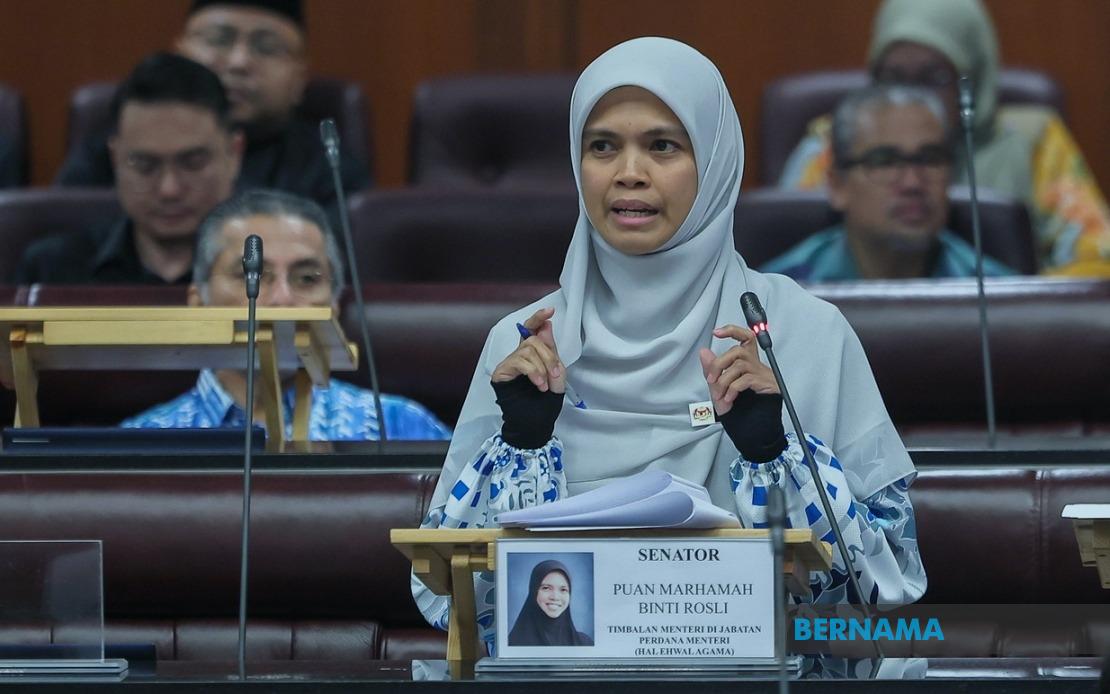
The Malaysian government is undertaking a comprehensive initiative to strengthen Islamic religious practice and education within Muslim Orang Asli communities across the country, combining immediate grassroots interventions with longer-term institutional development. Deputy Minister in the Prime Minister's Department (Religious Affairs) Marhamah Rosli outlined the dual-track approach during parliamentary proceedings on July 20, emphasising that these efforts aim to deepen religious observance while simultaneously building human capital within one of Malaysia's most marginalised communities.
The short-term strategy centres on intensifying daily Fardu Ain (KAFA) classes—which cover fundamental Islamic obligations—alongside expanded dakwah activities timed to coincide with major Islamic commemorations throughout the year. These initiatives operate through a network of Orang Asli Community Mobilisers (PMOA), creating a localised delivery mechanism that respects community structures and cultural contexts. Rather than imposing top-down religious programming, officials emphasise a community-centric methodology that emphasises grassroots engagement and field-based activities designed by and for Orang Asli participants themselves.
The government's practical commitment extends to regular interpersonal outreach visits that blend religious guidance with spiritual counsel and concrete welfare assistance. This integrated approach recognises that religious strengthening cannot occur in isolation from the material concerns of communities facing economic marginalisation, land pressures, and limited access to services. By coupling dakwah with welfare support, authorities attempt to address both spiritual and temporal dimensions of Orang Asli life, creating more holistic and sustainable engagement.
Coordination among multiple government agencies amplifies the initiative's reach and effectiveness. The Department of Islamic Development Malaysia (JAKIM), the Islamic Dakwah Foundation Malaysia (YADIM), and state-level Islamic religious departments and councils are collaborating to ensure consistent messaging and complementary programming. This institutional alignment prevents duplication and gaps while leveraging each organisation's distinct comparative advantages in religious outreach, community mobilisation, and administrative capacity.
A critical component involves revitalising suraus—modest prayer halls situated throughout Orang Asli settlements—which serve as vital nodes for religious gathering and instruction. JAKIM currently provides financial support to 13 administrative assistants who facilitate religious classes within these spaces. Simultaneously, 75 imams and 66 bilals recruited directly from Orang Asli communities have been appointed to lead religious observances and rituals. This deliberate strategy of employing community members as religious functionaries creates local leadership, generates employment, and ensures cultural and linguistic familiarity in religious instruction.
Looking beyond immediate initiatives, the government envisions a more durable and institutionalised dakwah ecosystem specifically designed around Orang Asli needs and contexts. A dedicated Special Orang Asli Dakwah Unit has been established within JAKIM's Dakwah Division, operating in tandem with the Islamic Understanding Strengthening Branch and the Du'at Development Division. This specialised unit coordinates, enhances, and measures the effectiveness of all dakwah programming targeting Orang Asli populations, ensuring coherent strategy rather than fragmented or ad-hoc interventions.
The initiative's backbone consists of a distributed network of community coordinators and mobilisers. Seven PMOA coordinators oversee the work of 243 individual PMOAs operating under JAKIM's auspices, forming a substantial grassroots infrastructure. These figures underscore the government's recognition that reaching geographically dispersed and culturally distinct Orang Asli groups requires proportionate human investment and localised presence rather than centralised, bureaucratic approaches.
For Malaysian policymakers and regional observers, this initiative reflects broader tensions within Southeast Asia regarding religious governance and minority integration. Muslim-majority nations increasingly seek to strengthen Islamic observance among peripheral populations, yet face persistent questions about how to balance religious standardisation with cultural autonomy and whether such initiatives constitute genuine community development or paternalistic imposition. The Orang Asli context is particularly complex given their historical marginalisation by dominant Malay-Muslim structures and ongoing land and resource disputes.
Effectiveness measurement remains contentious. Officials note that stationing PMOAs and trained Orang Asli religious teachers within communities provides built-in monitoring, yet concrete metrics—attendance rates, religious knowledge retention, observable practice changes—remain undefined in public statements. This ambiguity invites scrutiny regarding whether programmes genuinely transform spiritual life or primarily serve administrative objectives of standardisation and state capacity-building within peripheral populations.
The programme's implications extend beyond religious practice to questions of indigenous autonomy and cultural preservation. While appointing Orang Asli imams and community mobilisers acknowledges local agency, the underlying objective of expanding Islamic observance may conflict with pre-Islamic spiritual traditions or syncretic religious expressions historically characterising some Orang Asli groups. Balancing religious instruction with indigenous cultural continuity remains an unresolved tension within the broader initiative.
Regional significance emerges from considering how other Southeast Asian nations manage religious governance among indigenous populations. Indonesia, Thailand, and the Philippines face comparable challenges regarding minority religious populations in peripheral regions. Malaysia's model—emphasising coordinated institutional engagement, localised leadership, and integrated welfare provision—offers lessons while also illustrating the persistent difficulties of achieving genuine cultural integration through religious programming alone.
Looking forward, the programme's success hinges upon sustained funding, retention of trained community religious leaders, and genuine responsiveness to Orang Asli voices in programme design and evaluation. Should these conditions materialise, the initiative might expand religious participation and institutional integration among Muslim Orang Asli communities. Conversely, should interventions appear externally imposed or insufficiently sensitive to local contexts, programme uptake may stall and communal suspicion of government intentions may deepen, potentially undoing years of painstaking relationship-building and trust cultivation.

