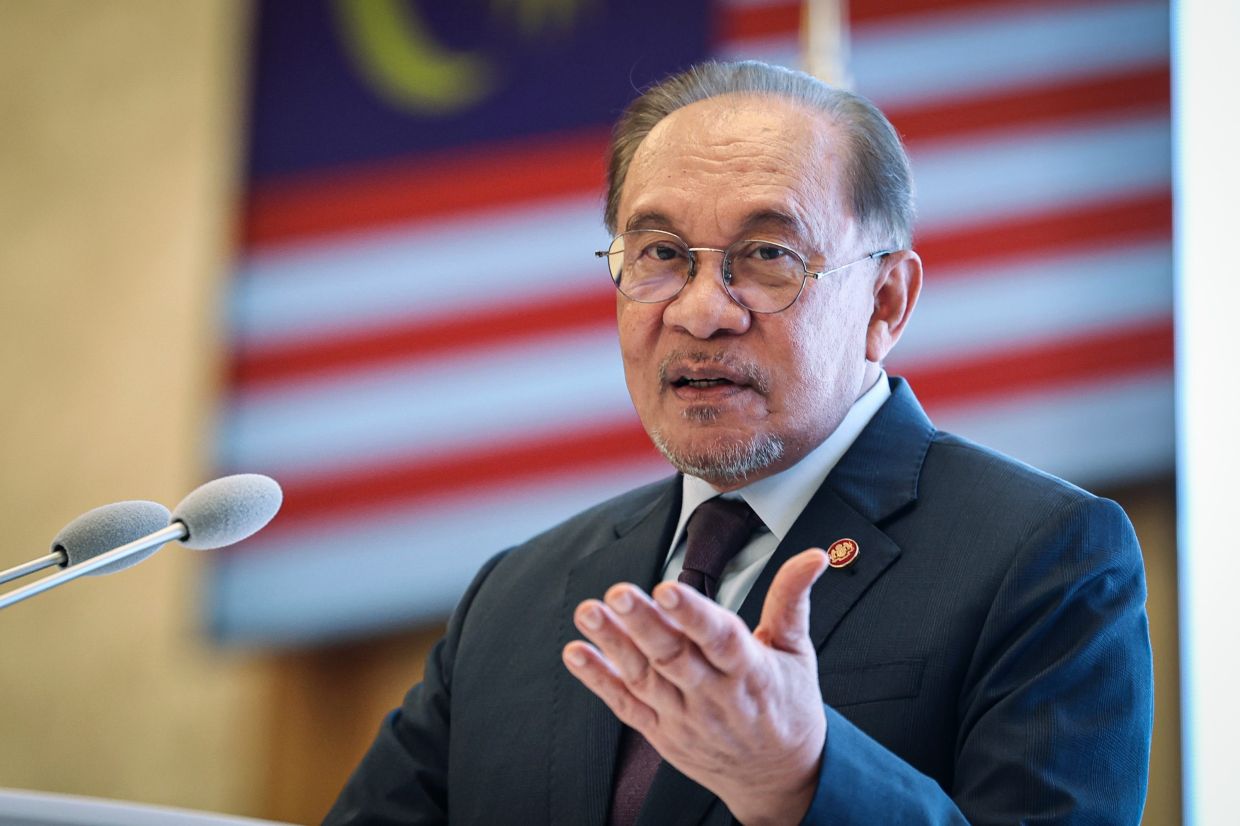
Prime Minister Datuk Seri Anwar Ibrahim has signalled that Malaysia and Singapore are moving closer to finalising the master plan for the Johor-Singapore Special Economic Zone (JS-SEZ), a landmark initiative that aims to deepen economic integration between the two neighbours. Speaking after a meeting with Singapore President Tharman Shanmugaratnam, Anwar expressed optimism about the trajectory of the collaborative project and indicated that key planning documents would be completed within the coming months. The commitment reflects renewed momentum in one of Southeast Asia's most significant bilateral economic undertakings, with implications that extend well beyond the two nations themselves.
During his three-day state visit to Malaysia from July 13 to 15, at the invitation of His Majesty Sultan Ibrahim, King of Malaysia, President Tharman held substantive discussions with Anwar, who also serves as finance minister. The bilateral engagement focused on the broadening scope of Malaysia-Singapore relations, touching on regional stability, economic collaboration, and matters of mutual concern affecting both countries. Such high-level engagements underscore the diplomatic importance placed by both nations on maintaining robust communication channels at the leadership level.
The JS-SEZ represents a transformative economic venture designed to leverage the geographic proximity and complementary strengths of Johor and Singapore. The special economic zone framework would facilitate deeper cross-border investment, labour mobility, and integrated supply chain development. For Malaysia, the initiative offers opportunities to attract higher-value manufacturing and services sectors, while allowing Johor to benefit from Singapore's advanced financial and technological ecosystem. For Singapore, the project provides access to larger land areas and a broader resource base to support regional operations and expansion into new sectors.
Beyond the JS-SEZ discussions, Anwar and Tharman engaged on the broader architecture of bilateral ties and regional developments unfolding across Southeast Asia. The leaders addressed several longstanding matters between the two nations that have occasionally strained relations or required patient diplomatic management. Anwar's emphasis on "constructive negotiations" and "mutual respect and understanding" signals that both countries remain committed to resolving differences through dialogue rather than confrontation—a crucial signal given the intricate nature of Malaysia-Singapore relations, which encompass maritime boundaries, water agreements, and other sensitive issues.
The timing of this announcement carries particular significance. Regional observers have noted that Malaysia-Singapore economic cooperation has periodically faced headwinds due to political disagreements or competing priorities. By highlighting progress on the JS-SEZ and reaffirming commitment to resolving outstanding matters, both nations are demonstrating to investors and regional partners that bilateral relations remain fundamentally stable and oriented toward prosperity. This stability is essential for attracting the multinational corporations and financial institutions whose participation will make the special economic zone viable and impactful.
For Malaysian stakeholders, particularly those in Johor and the broader southern region, the JS-SEZ represents a potential catalyst for economic transformation. Access to Singapore's expertise in urban planning, financial services, and high-tech sectors could help Johor develop into a more competitive regional hub. The initiative also aligns with Malaysia's broader economic diversification strategy, reducing dependence on traditional sectors and positioning the country as an attractive destination for capital investment. Job creation, skills development, and technology transfer would likely accompany zone operations once fully operationalised.
Regional implications deserve attention as well. The JS-SEZ sits within the broader context of deepening ASEAN economic integration and shifting geopolitical dynamics in Southeast Asia. A successful Malaysia-Singapore special economic zone would demonstrate that even nations with complex historical relationships and competing interests can identify areas of mutual economic benefit and pursue collaborative ventures at scale. This outcome could serve as a model for other pairs of regional neighbours seeking to overcome bilateral barriers and unlock shared prosperity through carefully structured economic zones and frameworks.
Anwar's comments also reflect the broader diplomatic posture Malaysia is adopting under his administration. By emphasising constructive engagement, mutual benefit, and forward-looking cooperation, the prime minister is positioning Malaysia as a pragmatic economic actor willing to work with all partners, regardless of past grievances or differences. This approach has resonated with international investors and regional counterparts who view stability and predictability as essential for long-term commitment and planning.
The financial dimensions of the JS-SEZ initiative remain substantial. Both countries will need to invest significantly in enabling infrastructure—roads, ports, digital connectivity, regulatory frameworks—to support cross-border operations. Singapore's established expertise in managing complex economic zones positions it as a valuable partner in designing systems and processes that attract multinational enterprises while maintaining high standards of governance and efficiency. Malaysian authorities, particularly at the state level in Johor, will play a critical role in land acquisition, environmental management, and local stakeholder engagement.
Moving forward, the successful finalisation of the master plan will represent only the first milestone. Implementation will require sustained political commitment, coordination across multiple government agencies in both countries, and continuous engagement with private sector partners. The capacity to maintain momentum through inevitable challenges—whether regulatory, environmental, or political—will determine whether the JS-SEZ becomes a transformative project or another abandoned initiative. Anwar's public commitment to completing the master plan soon suggests that both nations intend to translate current goodwill into concrete action, though considerable work lies ahead in translating vision into operational reality.

