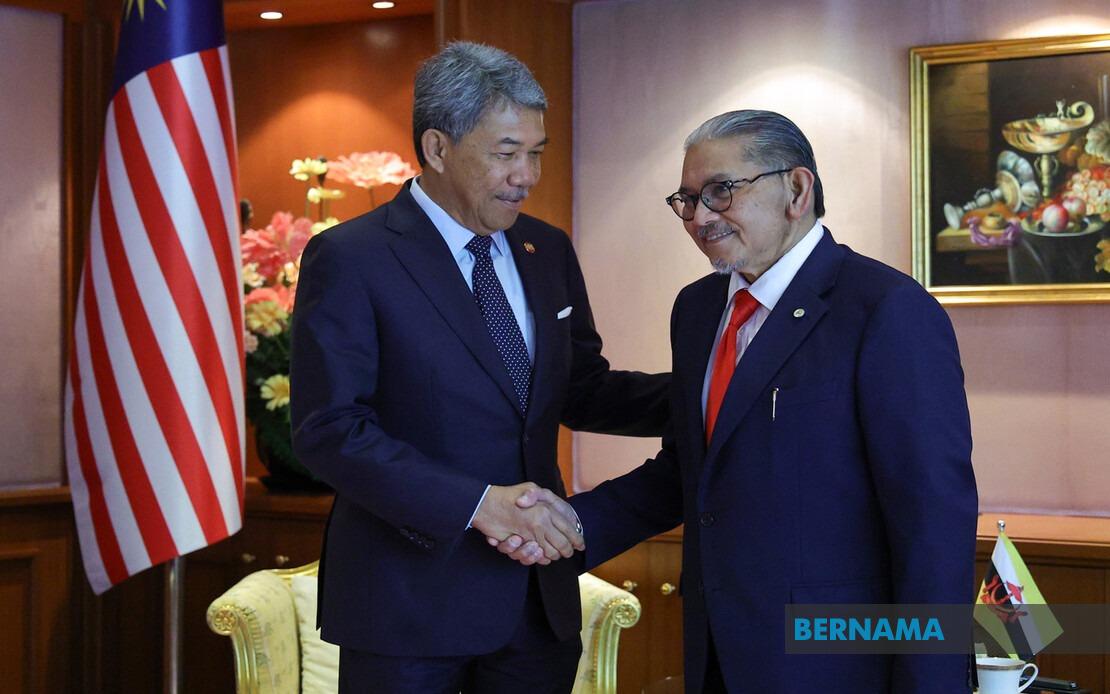
Malaysia and Brunei have accelerated efforts to consolidate their longstanding diplomatic partnership during high-level talks held in Bandar Seri Begawan today. The 27th Meeting on the Implementation of the Exchange of Letters brought together Foreign Minister Datuk Seri Mohamad Hasan and Brunei Second Minister of Foreign Affairs Datuk Seri Setia Erywan Mohd Yusof to address a comprehensive agenda spanning territorial matters, maritime security, and people-to-people movement across their shared borders.
The bilateral dialogue reflects the deepening institutional cooperation between two ASEAN members separated by geography but united by strategic interests in maintaining stability in the wider Southeast Asian region. By convening these regular forums, both nations demonstrate commitment to resolving technical and administrative challenges through structured engagement rather than allowing potential friction points to fester. The breadth of topics discussed suggests a mature relationship where officials can engage across multiple policy domains simultaneously.
A significant achievement documented at the meeting is the substantial progress on land boundary demarcation. Approximately half of the boundary marking process has been completed, according to Mohamad's statements to reporters. This milestone represents concrete advancement on an issue that, while not contentious, requires meticulous coordination given the terrain and environmental factors involved. The demarcation effort differs from establishing the boundary itself, which was already delineated through international agreements. Instead, the technical work involves implementing physical markers and documentation systems that reflect the agreed boundary line while accounting for geographical complexities on the ground.
The framework guiding this demarcation work derives from the 2009 Terms of Reference jointly established by both nations. Mohamad indicated that a technical committee continues fieldwork assessments that will inform further implementation decisions. This methodical approach allows for comprehensive surveying and consultation before finalising physical demarcation. For Malaysian states of Sarawak and Sabah that share extensive borders with Brunei, clarity on boundary positions reduces administrative ambiguity and facilitates smoother cross-border governance and commercial activities.
Beyond territorial matters, the dialogue prioritised maritime cooperation through proposed establishment of a Search and Rescue mechanism. Both countries plan to formalise this arrangement through a memorandum of understanding that will outline coordinated response protocols for maritime emergencies in their shared waters. The Brunei Bay and surrounding maritime zones present complex jurisdictional terrain requiring clear operational agreements. Enhanced SAR capability benefits both nations' populations and their merchant shipping industries by establishing predictable, efficient emergency response procedures.
The mobility provisions discussed during the meeting address practical concerns affecting residents of border communities. Brunei citizens along with populations in Sarawak and Sabah frequently require cross-border movement for employment, family, commerce, and services. Mohamad's reference to measures facilitating such movement suggests the bilateral framework is examining visa facilitation, border crossing procedures, and documentation requirements. For Malaysian East Coast residents, particularly those in remote areas proximate to Brunei, streamlined movement arrangements support economic activity and social cohesion across the border.
The regular convening of implementation meetings indicates that both Malaysia and Brunei view their bilateral relationship as requiring active management and incremental progress on accumulated issues. Rather than treating boundary and maritime matters as contentious disputes requiring high-level political intervention, the institutional approach embedded in these forums allows technical experts and mid-level diplomatic personnel to advance concrete outcomes. This depoliticises technical matters and builds familiarity among officials who understand local conditions and practical constraints.
For Malaysia's broader foreign policy orientation, the engagement with Brunei underscores the importance of maintaining cooperative relationships with all ASEAN partners, particularly immediate neighbours. While Malaysia pursues significant regional and global partnerships, the foundational work of ensuring stable, transparent relations with adjacent states remains essential. The advancement of boundary demarcation and SAR protocols demonstrates that even in relatively uncontentious relationships, sustained diplomatic attention produces tangible results that serve national interests.
The timeline for completing remaining boundary demarcation work remains contingent on technical committee recommendations and formal endorsement by both governments. Mohamad's reference to harmonising fieldwork with the 2009 framework suggests flexibility in implementation while maintaining adherence to agreed principles. This approach allows accommodation of discoveries or changed circumstances emerging during surveying without requiring treaty renegotiation. Both nations appear committed to completing this infrastructure of bilateral agreements to provide a solid foundation for future cooperation.
The proposed SAR memorandum represents a practical advancement in maritime security cooperation that aligns with ASEAN's broader emphasis on maritime safety and freedom of navigation. By establishing clear protocols between Malaysia and Brunei, both nations contribute to overall regional maritime stability. The arrangement may also serve as a template for similar agreements with other ASEAN coastal states, potentially contributing to a broader regional framework for maritime emergencies.
Looking forward, completion of boundary demarcation and formalisation of SAR protocols will eliminate administrative gaps that occasionally generate minor frictions. These accomplishments will allow both governments to redirect diplomatic focus toward economic cooperation opportunities, including trade facilitation and potential joint development initiatives in their maritime zones. The methodical progress documented during the 27th Implementation Meeting suggests Malaysia and Brunei remain capable of converting bilateral frameworks into tangible outcomes that serve both nations' interests and enhance regional stability.

