%22%2F%3E%3C%2Fpattern%3E%3C%2Fdefs%3E%3Crect%20width%3D%22100%25%22%20height%3D%22100%25%22%20fill%3D%22url(%23ph1qazog)%22%2F%3E%3Crect%20width%3D%22100%25%22%20height%3D%22100%25%22%20fill%3D%22url(%23ph1qazop)%22%2F%3E%3Ctext%20x%3D%2250%25%22%20y%3D%2250%25%22%20text-anchor%3D%22middle%22%20dominant-baseline%3D%22central%22%20fill%3D%22rgba(255%2C255%2C255%2C0.95)%22%20font-family%3D%22Georgia%2C%20'Times%20New%20Roman'%2C%20serif%22%20font-weight%3D%22700%22%20font-size%3D%22170%22%20letter-spacing%3D%22-0.02em%22%3EMalaysia%3C%2Ftext%3E%3C%2Fsvg%3E)
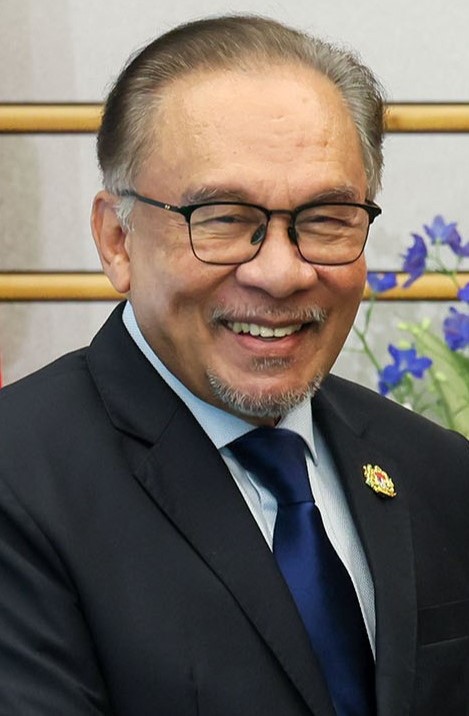
Prime Minister Anwar Ibrahim and Bangladesh's Chief Adviser Muhammad Yunus Tarique Rahman have jointly acknowledged that the systematic abuse and maltreatment of migrant workers demands urgent intervention through coordinated bilateral action. Their joint commitment, articulated during high-level discussions in Putrajaya on June 22, represents a significant diplomatic acknowledgement of the human rights dimension underpinning labour migration between two South Asian economies.
The agreement reflects mounting international scrutiny of how host nations treat foreign workers, particularly given Malaysia's reliance on migrant labour across manufacturing, construction, domestic service, and agriculture. Bangladesh supplies a substantial portion of Malaysia's migrant workforce, making the labour corridor between these nations economically significant and geopolitically sensitive. The bilateral understanding signals both governments' recognition that unchecked exploitation creates humanitarian crises while undermining legitimate economic benefits that regulated migration can generate.
Anwar's emphasis on worker welfare moves beyond rhetorical commitment, acknowledging Malaysia's structural dependency on foreign labour whilst addressing longstanding criticisms from international human rights organisations. The Malaysian Prime Minister underscored that dignified treatment and fair compensation represent non-negotiable elements of any legitimate labour arrangement, positioning worker protection as compatible with—rather than antagonistic to—Malaysia's development objectives. This framing carries particular significance in Malaysia's regional context, where labour-exporting nations have increasingly pressured destination countries to implement stronger safeguards.
Tarique's push for expanded employment opportunities reflects Bangladesh's pressing need to generate overseas job placements for its large working-age population. Bangladesh's economic development trajectory depends substantially on remittances from abroad, with Malaysia representing a crucial destination for migrant earnings that flow back to support families and stimulate domestic consumption. However, the chief adviser's simultaneous demand for fairer recruitment processes indicates growing sophistication in Bangladesh's approach—recognising that maximising job numbers whilst accepting exploitative conditions ultimately undermines sustainable development outcomes for workers and their communities.
The recruitment dimension of this agreement carries particular importance for Malaysian and Southeast Asian workers generally. Predatory recruitment agencies operating across the region have historically exploited information asymmetries and vulnerability, charging excessive fees that workers must repay through debt bondage arrangements effectively indistinguishable from servitude. These practices disproportionately affect lower-skilled workers seeking opportunities abroad, creating cycles where vulnerable individuals become trapped in abusive arrangements. Reforming recruitment standards addresses this fundamental distortion in labour markets.
For Malaysia specifically, strengthening recruitment standards offers domestic economic advantages beyond humanitarian considerations. Workers recruited through transparent, fair processes demonstrate higher productivity, reduced turnover, and improved workplace harmony compared to those arriving under exploitative conditions. Unscrupulous recruitment agencies often misrepresent working conditions, contract terms, and employer expectations, generating friction that destabilises workplace relationships and diminishes output. Conversely, ethical recruitment processes aligned with workers' actual expectations and capabilities generate more stable, productive employment relationships benefiting employers and the broader economy.
The bilateral framework also addresses Malaysian employers' perspectives, though the agreement's emphasis on fairness suggests acknowledgement that many employers themselves suffer from recruitment agency misconduct. Employers frequently encounter workers whose qualifications, language abilities, or physical capabilities were misrepresented during recruitment, necessitating costly remedial training or replacement. Establishing clearer standards and accountability mechanisms protects legitimate employers from being victimised by rogue agencies whilst protecting workers from predatory practices.
Implications for Malaysia's regional standing warrant consideration. As Southeast Asia's most developed economy with substantial migrant worker populations, Malaysia's labour practices influence neighbouring countries' perceptions and policy development. Singapore and Thailand watch closely how Malaysia addresses migration governance, potentially using Malaysian precedents as benchmarks for their own frameworks. Conversely, Malaysia's commitment to fairer practices strengthens its diplomatic credibility in broader regional integration discussions, particularly within ASEAN, where labour mobility remains contentious given divergent economic development levels.
The agreement also intersects with Malaysia's skills development and demographic challenges. As the domestic workforce ages and education levels rise, fewer Malaysians pursue lower-skilled occupations, making migrant workers structurally necessary across multiple sectors. However, this dependency creates political pressure to restrict or devalue migrant workers through discriminatory policies. Fair, transparent recruitment and decent treatment frameworks offer an alternative pathway—one that sustains necessary labour inflows whilst protecting both workers and local communities from downward wage and condition pressures that generate backlash.
Implementing these commitments requires establishing concrete mechanisms beyond joint statements. Both nations must create oversight bodies capable of monitoring recruitment agency conduct, investigating complaints, and imposing meaningful penalties for violations. Malaysia's enforcement capacities have historically struggled with corruption and resource constraints, whilst Bangladesh faces similar institutional challenges. The bilateral agreement's durability depends on whether both governments allocate sufficient resources and political will to translate commitments into functioning regulatory systems.
Looking forward, the Malaysia-Bangladesh understanding potentially serves as a template for reforming migration governance across Southeast Asia. Other labour-exporting nations facing similar exploitation challenges could build on mechanisms developed through this bilateral framework, whilst ASEAN potentially incorporates lessons learned into regional labour standards discussions. Success requires moving beyond aspirational commitments toward institutionalising accountability, establishing workers' grievance mechanisms that function independently of employer or agency interests, and ensuring remedies for victims of exploitation.