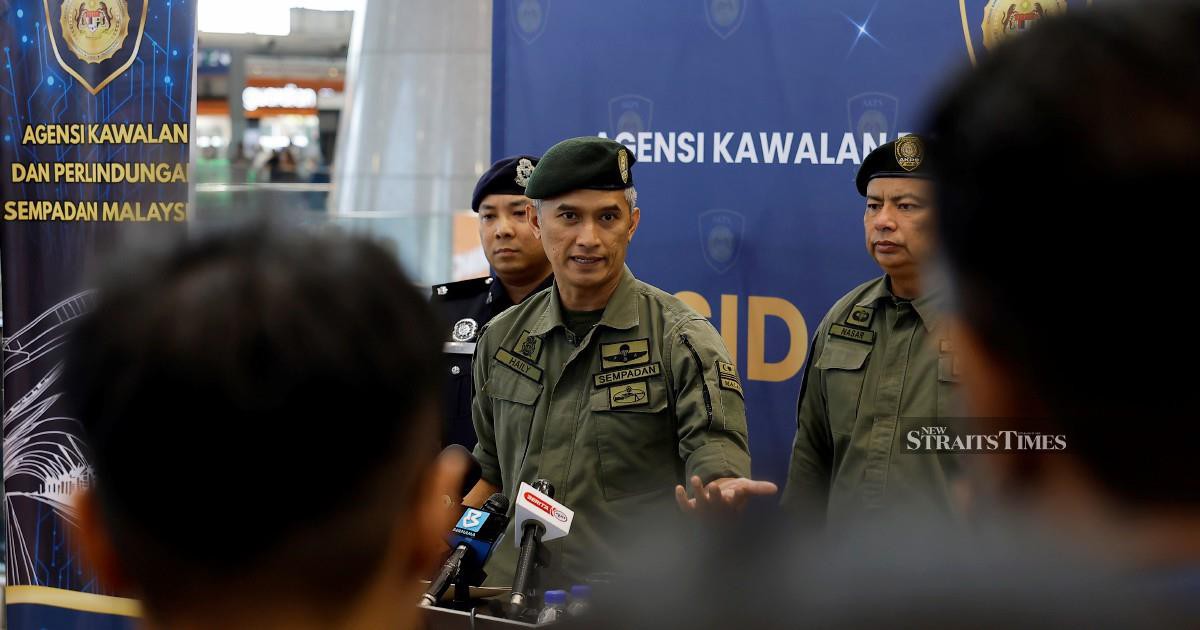
A Malaysia Airlines pilot arrested last week in Indonesia while carrying approximately 70,000 ecstasy pills had their baggage processed through a screening system operated by the Aviation Security (AVSEC) division, not by the Malaysia Border Control and Protection Agency (MCBA), according to a statement from the responsible authority. The clarification addresses procedural questions that emerged following the high-profile drugs seizure, which raised concerns about airport security protocols and the effectiveness of screening mechanisms at Malaysian airports.
The distinction between the two agencies reflects Malaysia's layered approach to transportation security. AVSEC operates dedicated aviation security screening at airports and is specifically tasked with protecting aircraft operations and passengers from security threats, including smuggling and contraband. The MCBA, by contrast, handles broader border control functions across all ports of entry into Malaysia. Understanding which agency handled the particular screening in this case is crucial for assessing whether proper procedures were followed and where potential gaps may have occurred.
The case has drawn significant attention because it involves a Malaysia Airlines pilot, one of the country's flagship carriers. Commercial pilots occupy positions of considerable trust and responsibility, making any involvement in drug trafficking particularly concerning for the aviation industry's reputation and passenger confidence. The smuggling attempt, if proven, would represent a serious breach of that trust and raises uncomfortable questions about security vetting processes for flight crew members who have extensive access to restricted areas of airports.
Indonesian authorities apprehended the pilot at a location within their jurisdiction, highlighting how international cooperation becomes essential when criminal activity crosses borders. The ecstasy, valued at millions of ringgit if sold at street prices, represents a substantial quantity of illegal narcotics. The seizure demonstrates both the vigilance of Indonesian law enforcement and the reality that Malaysia's neighbours play an active role in interdicting contraband that originates from or passes through Malaysian territory.
The involvement of AVSEC in baggage screening is standard procedure for flights departing Malaysian airports. AVSEC officers use advanced detection equipment and follow international security protocols established by the International Air Transport Association and other aviation bodies. However, the pilot's subsequent arrest in Indonesia raises the uncomfortable possibility that either the screening equipment failed to detect the drugs, the screening procedures were circumvented through knowledge of security protocols, or the contraband was concealed in a manner that evaded detection systems.
For Malaysia's aviation sector, the incident presents a significant challenge. Airlines depend on public confidence that their security systems are robust and effective. A pilot's alleged involvement in drug smuggling undermines that confidence, particularly among international travellers and partner airlines. Major carriers often impose their own security standards on staff, but this case suggests that either those standards were insufficient or individual integrity checks were inadequate. Airlines across the region will likely review their crew vetting procedures in response.
The case also carries implications for Malaysia's international standing on drug control. The country has positioned itself as taking narcotics enforcement seriously, with stringent domestic penalties including mandatory death sentences for large-quantity trafficking. An allegation that a commercial pilot attempted to smuggle drugs contradicts that public stance and potentially invites external criticism from international drug control bodies and trading partners concerned about Malaysia as a transit point for illegal substances.
Investigators will need to determine how the pilot acquired the ecstasy, whether others at the airline were complicit, and whether the attempt represented isolated criminal behaviour or part of a larger smuggling operation. If the latter, authorities must consider whether other staff members or systematic vulnerabilities facilitated the trafficking. AVSEC and related agencies will likely face pressure to demonstrate that existing screening systems are effective and that procedural controls prevent such incidents.
The technical capabilities of baggage screening systems have advanced considerably in recent years, with X-ray technology, chemical detection, and explosive trace detection now standard at most major airports. If 70,000 ecstasy pills passed through screening undetected, this raises questions about the maintenance, calibration, and operational standards of the equipment at the relevant Malaysian airport. Additionally, investigations should clarify whether the pilot possessed special knowledge that allowed them to bypass screening or conceal the contraband in ways that defeated detection.
For Malaysian aviation security generally, the incident serves as a reminder that threats can come from within the aviation workforce itself. Pilots, ground crew, and other airport workers have privileged access to aircraft and restricted areas, making them potential security vulnerabilities if they become targets of criminal organisations or experience financial desperation. Comprehensive vetting, ongoing integrity checks, and a workplace culture that discourages criminal activity are essential safeguards.
The resolution of this case will likely prompt a review of procedures at Malaysia Airlines and potentially across the broader Malaysian aviation sector. Regulators may implement additional checks for crew members, enhanced monitoring of baggage handling for flights involving personnel with access to secure areas, or upgraded security technology. International airlines operating in Malaysia will watch how authorities handle the investigation, as it affects their confidence in Malaysian security standards.
Ultimately, this case underscores that security is a continuous process requiring vigilance, proper equipment, trained personnel, and accountability at every level. While a single incident does not necessarily indicate systemic failure, it demands thorough investigation and transparent communication about what occurred and how similar incidents will be prevented.

