Malaysian authorities are launching an investigation into security protocols after a Malaysia Airlines pilot was apprehended carrying narcotics at an Indonesian airport, despite passing through baggage screening at Kuala Lumpur International Airport beforehand. The incident has raised questions about the effectiveness of current customs and border control procedures at Malaysia's primary aviation hub, and prompted officials to review how potentially dangerous or prohibited materials could circumvent detection systems designed to prevent such items from leaving the country.
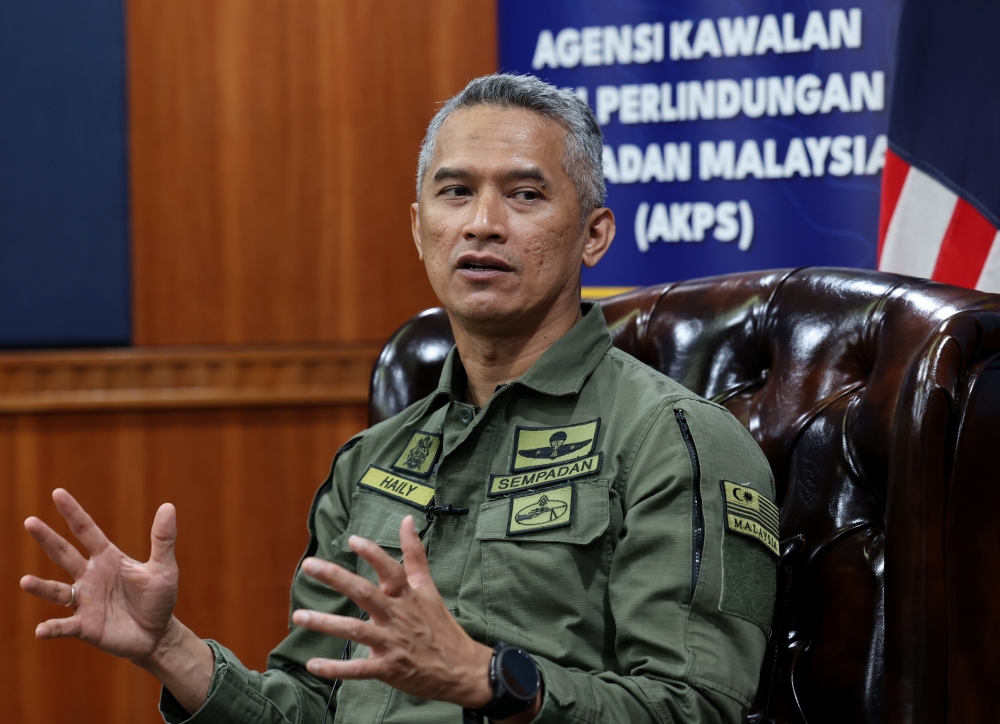
The border agency chief confirmed that the pilot's luggage underwent routine inspection procedures at KLIA before departure, yet no contraband was detected during the screening process. This revelation has created significant concern within Malaysian aviation security circles, as it suggests a potential gap exists between screening protocols at departure points and what international authorities ultimately discover. The case represents a notable security embarrassment for Malaysia's border management agencies, particularly given the high-profile nature of aviation personnel and the strict regulations governing their international movements.
The Jakarta arrest brings into sharp focus the vulnerabilities that may exist within Malaysia's baggage handling and customs inspection systems at KLIA, which processes hundreds of thousands of passengers monthly. While officials have not disclosed specific details about the quantity or type of substances discovered, the incident underscores how items can apparently evade detection despite passing through established security checkpoints. This raises broader questions about whether current screening technologies are adequately calibrated, whether staff training remains current, or whether procedural lapses contributed to the oversight.
For Malaysia Airlines, the situation presents considerable reputational risk during a period when the carrier has been working to rebuild confidence following previous incidents. The involvement of a pilot—a position requiring extensive vetting and background checks—makes the matter particularly sensitive, as it suggests that even thoroughly screened personnel can potentially engage in prohibited activities. The airline is likely to face questions from regulators and the public regarding its own internal monitoring systems and whether additional safeguards are necessary for crew members accessing restricted airport areas.
Indonesian authorities discovered the prohibited items during screening procedures at their airport, demonstrating that Indonesian border controls identified what Malaysian inspectors had missed. This comparative failure highlights potential disparities in detection capabilities or procedural rigor between the two nations' security frameworks. While Indonesia's detection of the contraband prevented further entry into Indonesian territory, it also means that Malaysian screening failures contributed to the substance reaching an international airport in the first place, representing a security lapse with regional implications.
The investigation now underway will likely examine multiple dimensions of the incident, including whether appropriate equipment was functioning correctly during the relevant period, whether adequate staffing levels were maintained, and whether inspection procedures were followed according to established protocols. Authorities may also review training records to determine whether screeners possessed current knowledge of detection techniques and threat identification. The scope of the inquiry could extend to examining whether procedural shortcuts or complacency affected the screening process on the day in question.
From a broader regional perspective, the case demonstrates the interconnectedness of Southeast Asian aviation security and the importance of maintaining consistent standards across national borders. Incidents involving one country's airport personnel can have implications for the entire region's reputation and passenger confidence. Malaysia, as a significant aviation hub connecting major Southeast Asian routes, bears particular responsibility for maintaining rigorous security standards that inspire confidence among international carriers and passengers.
The incident also raises questions about inter-agency coordination within Malaysia, specifically regarding communication between border agencies, customs officials, and aviation authorities. Effective security requires seamless information sharing and coordinated procedures, and any breakdown in communication or cooperation between these bodies could create vulnerabilities that determined individuals might exploit. Malaysian authorities will likely review internal protocols to ensure that all relevant agencies are operating according to the same standards and information is properly disseminated.
For Malaysia Airlines employees, particularly pilots and other crew members, the incident may prompt enhanced internal screening procedures or additional requirements for personal item declarations and baggage handling. The airline may implement stricter protocols for crew members accessing restricted areas and may increase random baggage checks specifically for aviation personnel. Such measures, while potentially creating inconvenience, are often considered necessary following security breaches or incidents involving staff members.
The case also highlights the evolving nature of aviation security challenges in the region, where traditional screening methods must continuously adapt to emerging threats and methods used to circumvent detection systems. Malaysian authorities will likely review whether their detection equipment remains state-of-the-art and whether investment in upgraded scanning technology is warranted. Regular audits of security procedures, including surprise inspections and staff testing, may become part of an enhanced oversight framework.
Looking forward, the investigation outcomes will likely inform policy discussions at both the national and regional levels regarding minimum standards for airport security across Southeast Asia. Malaysia's regulators may share findings with counterparts in Indonesia and other neighbouring nations to promote learning and information exchange. The incident serves as a reminder that even mature, well-resourced airport facilities require constant vigilance and regular reassessment of procedures to maintain effective security.
The broader implications extend to passenger and cargo security throughout the region, as any vulnerability identified at a major hub like KLIA could potentially be exploited by individuals attempting to move prohibited materials across borders. Addressing the specific gaps revealed by this incident will be crucial not only for Malaysia Airlines' credibility but for public confidence in Malaysian aviation security more generally. The investigation's findings, once complete, will likely result in concrete procedural improvements and may serve as a case study for aviation security training across Southeast Asian airports.

