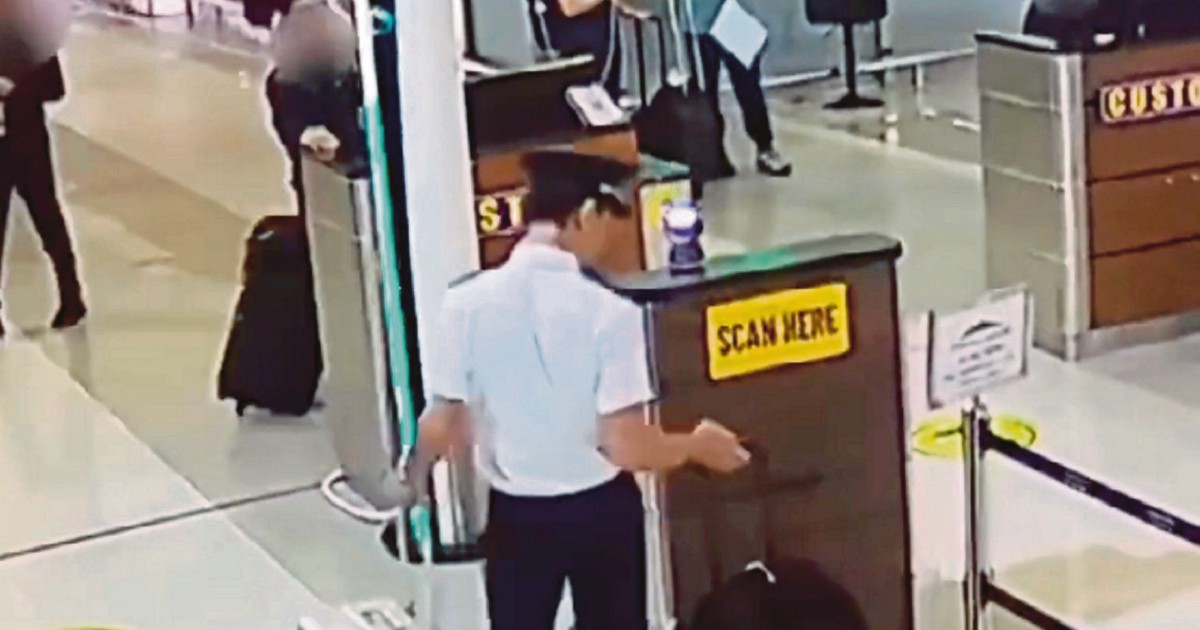
The arrest of a Malaysia Airlines pilot in Indonesia on suspicion of attempting to smuggle 25 kilograms of ecstasy pills has thrust airport security protocols and airline vetting procedures into the spotlight, with senior aviation professionals now demanding clarification on how such a breach could occur at Southeast Asia's busiest aviation hub. The incident represents a significant embarrassment for Malaysia Airlines and raises uncomfortable questions about the effectiveness of multiple checkpoints designed to prevent staff with security clearances from circumventing established safeguards.
Pilots within the industry have expressed alarm at what appears to be a systematic failure across several layers of security infrastructure at Kuala Lumpur International Airport. These safety-conscious professionals, who work within an environment where trust and integrity are paramount, worry that the breach suggests complacency or inadequate oversight. The scale of the alleged smuggling operation—25kg is a substantial quantity suggesting commercial intent rather than personal use—indicates this was not a spontaneous lapse but potentially a carefully planned operation involving someone with intimate knowledge of airport procedures and staff privileges.
Malaysia Airlines has not yet issued a comprehensive public statement addressing the security implications, though the airline is expected to cooperate fully with investigations by Indonesian authorities and relevant Malaysian agencies. The silence from management creates a vacuum that fuels speculation among aviation professionals about whether internal security audits have been conducted recently and what safeguards exist to prevent staff from exploiting their position and access credentials.
For Malaysian readers, the incident carries implications beyond the individual case. Malaysia Airlines operates more than 200 aircraft across numerous international routes, and its reputation for safety and reliability is crucial to attracting both business and leisure travellers. The arrest could influence passenger confidence, particularly among security-conscious travellers who question whether staff screening is adequate. International competitors will undoubtedly monitor how Malaysia Airlines and Malaysian authorities respond to this crisis.
The case also raises questions about coordination between Malaysian and Indonesian law enforcement. If the arrest occurred in Indonesia, it suggests Indonesian authorities intercepted the pilot and alleged contraband, potentially during a flight operation or at an Indonesian airport. This indicates either strong cross-border intelligence sharing or a fortunate interdiction. The specifics of how Indonesian authorities became aware of the alleged smuggling operation remain unclear and merit transparency for public understanding.
From a regulatory perspective, Malaysian aviation authorities will likely conduct a comprehensive review of staff vetting procedures, background checks, and ongoing security training. International standards set by the International Civil Aviation Organization emphasise that airport security and airline operations must maintain integrated protocols where staff with access to aircraft and restricted areas undergo rigorous screening. The fact that a pilot—someone with the highest level of airport access—could allegedly participate in drug smuggling suggests these protocols may require strengthening or better enforcement.
The broader context matters here. Southeast Asia has emerged as a critical transit point for transnational drug trafficking operations, with production facilities in Myanmar and demand markets across the region and beyond. Criminal syndicates have increasingly targeted airline staff, particularly those with access privileges, attempting to recruit them as mules or conspirators. That a qualified Malaysia Airlines pilot could allegedly be ensnared in such a scheme demonstrates how sophisticated and persistent these organised networks have become.
For other Malaysian airlines and ground handling companies, this incident serves as a cautionary reminder about the importance of continuous security vigilance. Budget carriers and full-service airlines alike depend on staff integrity, yet background checks conducted years ago may not capture deteriorating circumstances, financial pressures, or coercion that criminals exploit. The aviation industry operates on trust, but that trust must be earned through rigorous, regularly updated security measures.
The implications for KLIA's operations are significant. As a major Southeast Asian hub handling millions of passengers annually, the airport's reputation depends partly on public confidence in security. KLIA management, operated by Malaysia Airports Holdings Berhad, will face pressure to publicly demonstrate how security screening for staff with access to aircraft movement areas actually works in practice. Transparency about security procedures—while maintaining necessary operational confidentiality—can help restore confidence.
Industry observers anticipate that KLIA and Malaysia Airlines will likely implement enhanced monitoring of staff movements, particularly those accessing aircraft, more frequent background checks, and possibly financial screening for personnel in sensitive positions. Such measures, while adding operational complexity and cost, may become standard practice across the industry in response to this incident.
The investigation's outcome will be closely watched by aviation authorities across Southeast Asia. If the allegations are substantiated, it will serve as evidence that even in one of the region's more developed aviation ecosystems, determined criminals can penetrate security perimeters. Conversely, if the investigation reveals gaps in procedures, Malaysian authorities have an opportunity to implement improvements that could serve as a model for neighbouring countries facing similar challenges.

