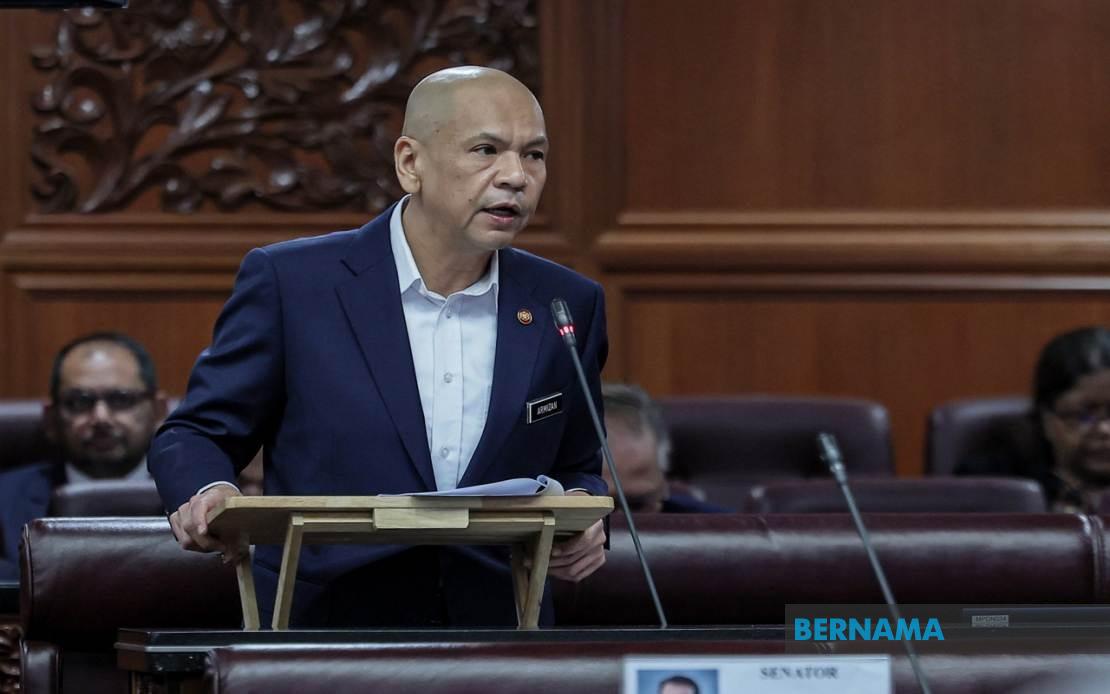
Parliament has taken a significant step toward modernising Malaysia's competition regulatory framework with the introduction of two comprehensive amendment bills under the Domestic Trade and Cost of Living Ministry. Minister Datuk Armizan Mohd Ali tabled the Competition (Amendment) Bill 2026 and the Competition Commission (Amendment) Bill 2026 for first reading in the Dewan Rakyat on June 23, with both measures expected to advance to second reading during the current parliamentary session. These legislative initiatives represent a deliberate effort to strengthen the Malaysia Competition Commission's operational capacity and broaden the scope of competition oversight in the domestic economy.
The Competition (Amendment) Bill 2026 targets fundamental aspects of the existing Competition Act 2010, seeking to enhance the investigative and enforcement mechanisms available to MyCC while simultaneously refining the procedures through which the commission makes critical decisions. Additionally, the proposed amendments would modernise provisions governing the Competition Appeal Tribunal, which handles disputes and appeals arising from MyCC's enforcement actions. These adjustments reflect evolving international best practices in competition regulation and respond to practical challenges that have emerged during more than a decade of implementation under the current framework.
A particularly significant element of the reforms involves Clause 3, which proposes a substantial expansion of the Competition Act's reach. Currently, the legislation applies only to commercial activities, but the amendment would extend competition law principles across all economic activities within Malaysia's borders. This expansion carries major implications for sectors that have previously operated with limited competition scrutiny, potentially reshaping competitive dynamics across government-linked entities, state-owned enterprises, and other non-traditional commercial sectors. For businesses operating in Malaysia, this change signals a forthcoming shift toward more comprehensive and intrusive competition oversight.
The enforcement capabilities of MyCC would be substantially strengthened through provisions in Clause 7, which would grant the commission explicit authority to demand information and documents from any individual or government entity when conducting market reviews. This enhanced investigative power responds to situations where MyCC has faced difficulties obtaining necessary documentation during investigations into potential anticompetitive conduct. The ability to compel information from government agencies is particularly noteworthy, as it signals Parliament's intention to subject state actors to the same competitive discipline as private enterprises, a development that could have ripple effects across the broader economy.
Intentionally obstructing MyCC's work would become a specific criminal offence under Clause 13, which introduces penalties for destroying, concealing, defacing or altering data or materials intended to impede investigations or enforcement activities. This provision addresses the commission's historical concerns about document destruction and evidence tampering during investigations, creating legal deterrents beyond those available under general obstruction statutes. For companies and individuals facing competition investigations, the creation of a specific offence carries heightened legal exposure and creates stronger incentives for cooperation with MyCC's inquiries.
The companion Competition Commission (Amendment) Bill 2026 focuses on governance and operational improvements within MyCC itself. Clause 8 would clarify the commission's advisory role regarding competition policy matters, explicitly empowering MyCC to counsel the minister, public authorities and regulatory bodies on competition-related policies, procedures and programmes. This formalisation of MyCC's advisory function elevates the commission's status in policy discussions and could enhance its influence over competition policy development across the government. The measure recognises that competition considerations should inform regulatory decisions across multiple government agencies, not merely those of MyCC itself.
Operational efficiency receives attention through Clause 10, which would allow MyCC to delegate functions and powers to its chairman, committees, officers and employees. This delegation authority would enable the commission to distribute responsibilities more flexibly and respond more rapidly to enforcement matters by empowering subordinate officials to act on behalf of the full commission in appropriate circumstances. Such delegation can accelerate investigative processes and reduce bureaucratic delays in routine matters, though it simultaneously raises accountability questions about how delegated authority is exercised and supervised.
Transparency and merit-based appointment represent key concerns in Subclause 12(a), which proposes that MyCC officers be appointed by the commission itself based on recommendations from the chief executive officer, rather than through potentially more politicised government appointment processes. This structural change aims to insulate MyCC personnel decisions from external political influence and build a professional, meritocratic workforce dedicated to competition enforcement. For observers concerned about regulatory capture or political interference in competition enforcement, this provision addresses a critical vulnerability in MyCC's institutional independence.
Taken together, these amendments represent a deliberate modernisation of Malaysia's competition regulatory architecture. The bills expand the substantive scope of competition law, enhance MyCC's investigative and enforcement capabilities, strengthen the commission's governance and operational independence, and create stronger legal protections for the investigative process itself. For multinational corporations operating in Malaysia, domestic enterprises competing in Malaysian markets, and government-linked companies, these changes signal that competition enforcement will become more rigorous, more comprehensive and more difficult to evade. The expansion of competition oversight across all economic activities, combined with enhanced investigative powers and criminal penalties for obstruction, fundamentally reshapes the regulatory environment. Regional businesses operating throughout Southeast Asia will likely monitor Malaysia's implementation of these reforms closely, as they may influence competition policy approaches adopted by other ASEAN economies seeking to harmonise regional regulatory standards.