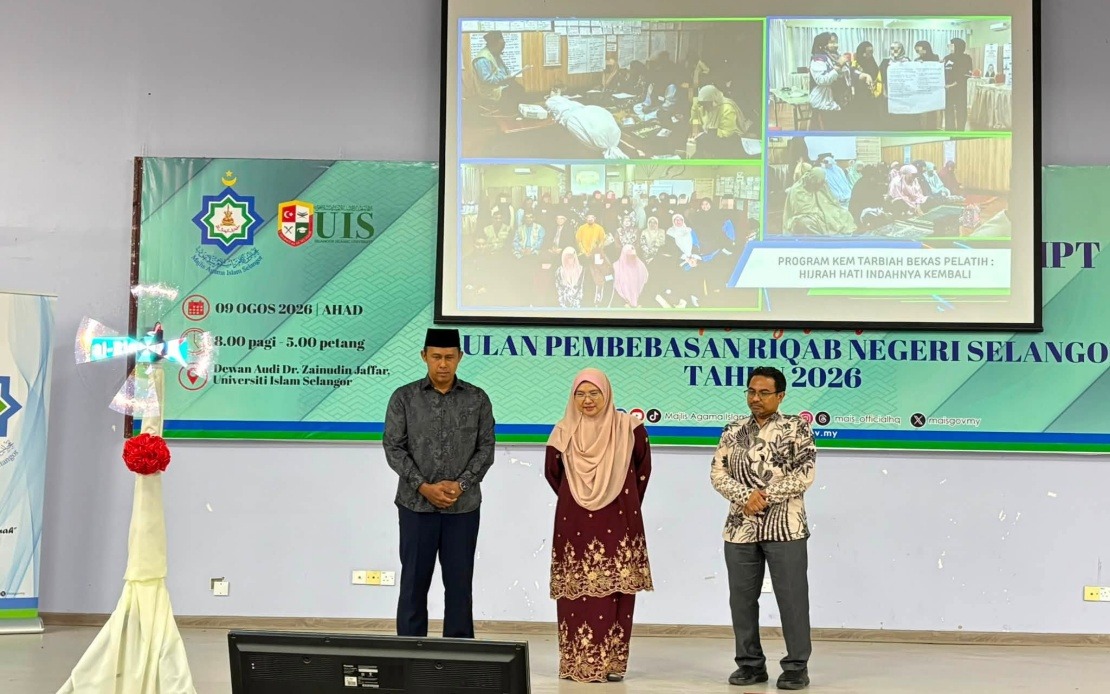
The Selangor Islamic Religious Council (MAIS) has deployed more than RM17 million in zakat resources during the past year to assist 13,945 individuals classified as asnaf riqab—Muslims facing significant social and faith-related challenges—according to an announcement made in Shah Alam. This substantial commitment represents a targeted approach to addressing vulnerability and promoting spiritual rehabilitation within the state's Muslim population.
These funds were distributed across a coordinated network of support services and facilities, with allocations directed toward three dedicated rehabilitation homes and 24 riqab rehabilitation centres managed by MAIS itself. The money supported multiple intervention strategies, ranging from structured rehabilitation grants and vocational training courses to professional counselling services and direct welfare assistance. This diversified funding approach reflects recognition that individuals facing multiple challenges require multifaceted support systems rather than single-focus interventions.
The council's efforts have maintained momentum into 2024, with records showing that between January and June alone, MAIS provided RM4.1 million in zakat allocations to assist 1,656 individuals within this vulnerable category. The pace of assistance demonstrates sustained institutional commitment and suggests that the demand for such services remains substantial within the Selangor community. The halfway-year figures project to potentially exceed previous annual totals if current trends continue.
A particularly significant element of MAIS's infrastructure has been the recruitment and training of 213 Al Riqab guides—mentors specifically tasked with directing individuals back toward Islamic teachings and ethical living. These guides function as rehabilitation coordinators and spiritual counsellors, working within the rehabilitation facilities and community settings to provide ongoing support, accountability, and guidance. The investment in human resources alongside financial allocation demonstrates a holistic understanding of rehabilitation requirements.
The term asnaf riqab encompasses individuals confronting diverse challenges that intersect spirituality with social welfare concerns. According to a 2012 Islamic fatwa issued within Malaysia's religious framework, this classification includes those struggling with substance addiction, individuals navigating lesbian, gay, bisexual and transgender (LGBT) identity issues, and Muslims who have significantly departed from Islamic practice. This broad definition acknowledges that spiritual guidance institutions increasingly address mental health, addiction, and social integration alongside faith-based rehabilitation.
To deepen public engagement and institutional transparency, MAIS has launched the Riqab Liberation Month Campaign 2026, a month-long initiative spanning August designed to mobilize community awareness and participation. The campaign encompasses a structured series of activities including community forums addressing riqab issues, educational seminars explaining Islamic perspectives on these challenges, guidance sessions for interested individuals and families, public information counters providing resources and referral pathways, and specialized seminars examining both spiritual and social dimensions. These activities aim to reduce stigma, build community understanding, and establish broader networks of support.
For Malaysian stakeholders and policymakers, MAIS's approach offers instructive insights into how Islamic institutions can address vulnerable populations through integrated social services. The scale of investment—over RM17 million annually—underscores the magnitude of social challenges requiring institutional response within an economically developed state like Selangor. The specificity of specialized facilities and trained personnel indicates that effective intervention demands professionalization and infrastructure, not merely financial transfers.
The MAIS model also illustrates how zakat—the Islamic obligation of charitable giving—functions as a social safety net mechanism within Muslim-majority societies. By channeling religious contributions toward documented rehabilitation outcomes, MAIS demonstrates accountability and purposeful resource allocation, potentially informing discussions about targeted social spending and faith-based welfare systems across Southeast Asia.
The availability of public information through MAIS's digital platforms reflects contemporary expectations for institutional transparency and accessibility. Community members seeking involvement in the Riqab Liberation Month Campaign or requiring assistance can access information through official social media channels and the council's website, reducing information barriers and facilitating wider participation in support networks.
For individuals struggling with the issues encompassed within the asnaf riqab classification, the existence of dedicated facilities, trained guidance personnel, and structured programmes provides concrete alternatives to isolation or unaddressed challenges. The counselling services and training opportunities may serve as intervention points where individuals can access support within culturally and religiously sensitive frameworks.
Moreover, MAIS's commitment reflects broader Malaysian trends toward institutional recognition that social welfare extends beyond poverty alleviation into mental health support, addiction treatment, and spiritual rehabilitation. This integrated approach increasingly characterizes how developed Southeast Asian societies understand comprehensive social protection, particularly within Muslim-majority contexts where religious institutions maintain significant social roles.
The sustained funding and expansion of facilities suggest that demand for such services will likely remain substantial, potentially informing future resource allocation decisions within Selangor's religious administration and potentially influencing similar programmes in other Malaysian states. As social challenges evolve and diversify, the institutional capacity to respond with tailored, evidence-informed interventions becomes increasingly valuable for both individuals in crisis and the broader social stability that communities depend upon.

