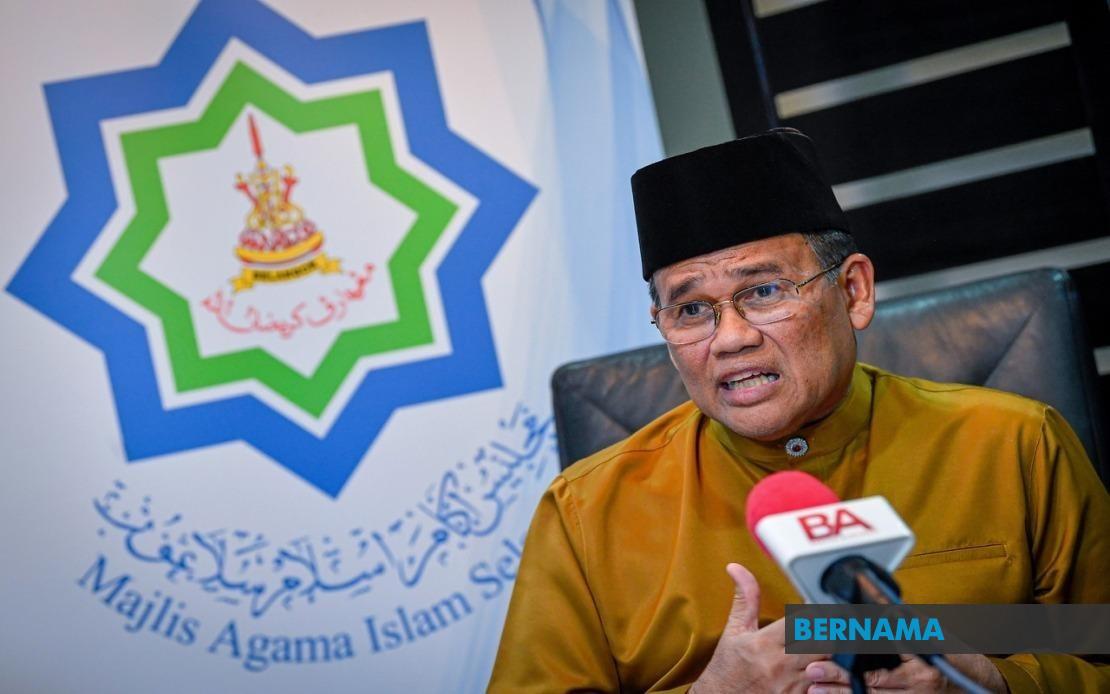
The Selangor Islamic Religious Council (MAIS) has announced plans for an urgent meeting to address a contentious case involving the alleged delay in burying a deceased individual at the Ukay Perdana Muslim Cemetery in Hulu Kelang. The gathering will bring together the bereaved family members, officials from Masjid Nurul Hidayah in Kampung Pandan Dalam, representatives of the Salatulrahim Welfare Organisation (BKS), and officers from the Selangor Islamic Religious Department (JAIS) to seek a comprehensive resolution.
MAIS chairman Datuk Salehuddin Saidin indicated that the convened discussion aims to identify mutually acceptable solutions whilst establishing safeguards to prevent comparable incidents in the future. The council has expressed sincere sympathy for the grieving family, acknowledging the additional suffering they endured during what should have been a solemn and straightforward process according to Islamic custom and law.
The controversy surrounding the Ukay Perdana facility has prompted multiple formal complaints. The mosque management, the deceased's relatives, and the BKS have each submitted separate police reports, indicating substantial disagreement regarding what transpired and the factors contributing to the delay. This fragmentation of accounts across different parties underscores the breakdown in communication that may have exacerbated an already delicate situation.
MAIS has indicated it will await the outcome of the police inquiry before determining whether accountability should rest with individuals or organisations involved. Salehuddin emphasised that appropriate consequences will be imposed based on whether the delay resulted from deliberate misconduct, human error, or inadequate coordination among the parties responsible for managing funeral arrangements. This measured approach suggests MAIS is cognisant of the need for fairness whilst not excusing potential negligence.
The chairman also referenced preliminary investigative findings released recently by JAIS director Datuk Mohd Shahzihan Ahmad, which were derived from statements provided by those managing the mosque. However, MAIS appears cautious about drawing definitive conclusions from a single source account, particularly given the existence of alternative narratives from the family and welfare organisation.
Beyond addressing the immediate crisis, MAIS has committed to undertaking a broader examination of how Islamic funeral and burial procedures are administered at mosques throughout Selangor. This review will identify systemic weaknesses in training, communication protocols, documentation, and resource allocation that might contribute to future delays or mismanagement. Such institutional scrutiny is essential for restoring public confidence in the sector.
The council intends to establish enhanced standards ensuring that the handling of deceased Muslims is conducted with appropriate solemnity, transparency, and adherence to Shariah principles. For Malaysian Muslims, the manner in which the deceased are treated represents a fundamental religious obligation, and failures in this domain strike at the heart of community trust in institutional Islam. Improvements to procedures therefore carry significant social and spiritual implications.
Salehuddin has called upon the broader Muslim community to maintain cohesion and brotherhood during this sensitive period, cautioning against allowing differing perspectives on the incident to fragment communal bonds. This appeal reflects awareness that burial controversies risk becoming flashpoints for broader grievances or factional tensions if not managed with deliberate attention to unity.
The Ukay Perdana situation also highlights emerging challenges in funeral administration as Malaysian municipalities and religious councils grapple with capacity constraints, increasing urbanisation, and the need to balance modern operational demands with traditional observance. For many families experiencing bereavement, the cemetery and its staff represent their most direct interaction with institutional Islam, making performance at this juncture disproportionately consequential for perceptions of religious authority.
The involvement of multiple agencies—MAIS, JAIS, the mosque, the BKS, and police—reflects the complex institutional landscape governing Islamic affairs in Selangor. Clear coordination mechanisms and defined responsibilities across these entities appear absent, a gap that contributed to the original confusion and warrants examination during the forthcoming review. Southeast Asian readers familiar with religious administration in other jurisdictions will recognise similar coordination challenges in plural societies.
As the police investigation proceeds, public attention will focus on whether systemic failures or individual culpability emerges as the primary cause. Either conclusion carries different implications: systemic issues demand institutional reform, whilst individual failings suggest that accountability mechanisms already exist but require enforcement. The eventual findings will likely influence how families navigate funeral arrangements and what operational changes communities should expect.
For MAIS and the broader Selangor Islamic establishment, this episode represents an opportunity to strengthen processes and rebuild confidence that funeral arrangements will be conducted with the dignity and efficiency the bereaved deserve. The commitment to procedural review and the convening of stakeholders signals institutional receptiveness to improvement, though meaningful implementation will require sustained commitment and resource allocation in the months following this investigation's conclusion.

