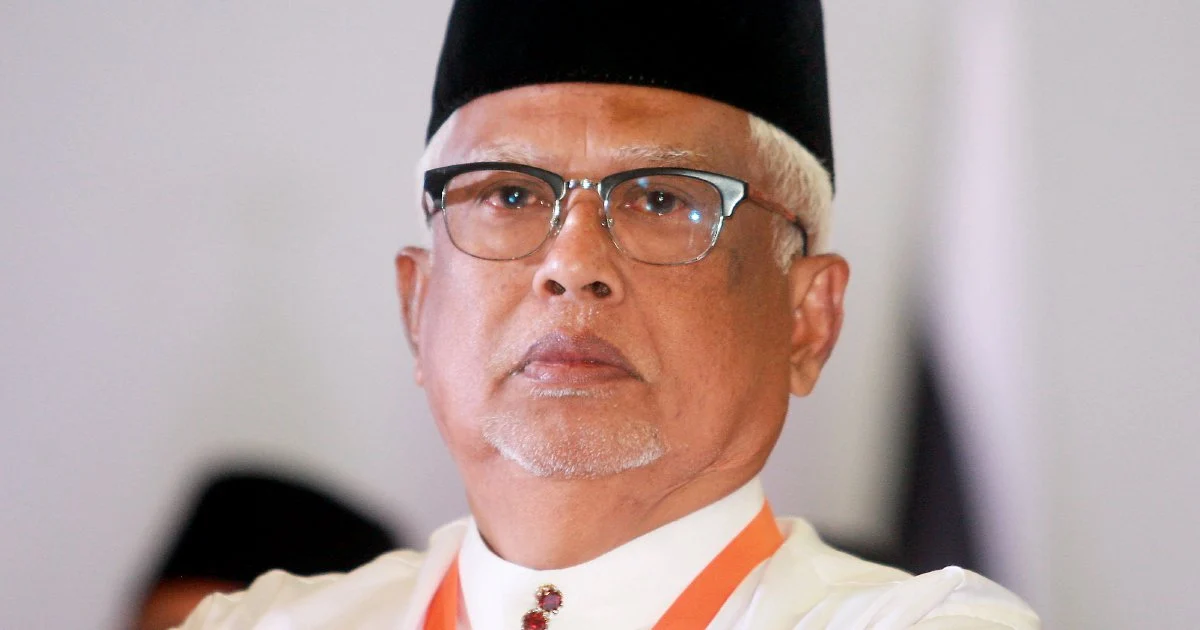
The political dynamics underpinning Malaysia's coalition arrangements have come under fresh scrutiny as an Amanah figurehead publicly questioned PAS's electoral positioning in Johor. The challenge centres on what observers view as a contradiction in the opposition bloc's operational conduct, where PAS maintains substantial support for Bersatu candidates even as the latter faces damaging allegations from within their shared Perikatan Nasional alliance structure.
Mahfuz, representing Amanah's leadership contingent, raised the inconsistency during discussions surrounding the state-level electoral dynamics in Johor. His intervention reflects growing tensions within PN itself, where the facade of unified partnership appears increasingly strained by mutual accusations and divergent interests among member parties. The timing of these challenges coincides with intensifying electoral preparation activities, suggesting that internal rifts could potentially destabilise coalition cohesion during critical campaign periods.
The allegations referenced in Mahfuz's critique carry substantial weight within PN's internal politics. Rather than being dismissed as peripheral grievances, they represent substantive concerns that ostensibly motivated PAS leadership to air them publicly. The fact that PAS has simultaneously pursued continued electoral collaboration with Bersatu creates an apparent paradox that demands clarification, particularly given the transparency expectations placed upon opposition alliances that position themselves as alternatives to incumbent governance structures.
PAS's positioning in Johor specifically holds strategic significance for broader Malaysian politics. The state has traditionally functioned as a bellwether for national political sentiment, and electoral outcomes there often signal broader shifts in voter preferences. By maintaining support for Bersatu candidates despite serious reservations, PAS risks appearing either insincere about the allegations or prioritising short-term electoral mathematics over substantive governance principles. Either interpretation carries implications for public confidence in the opposition's coherence.
The Perikatan Nasional coalition itself represents a relatively recent and intentionally constructed political arrangement, distinct from the longer-standing Pakatan Harapan opposition bloc. This structural positioning means that internal instability within PN affects not merely individual parties but the entire framework through which opposition politics currently operates across Malaysia. Erosion of trust between coalition members could ultimately diminish PN's competitive capacity against Barisan Nasional at subsequent electoral contests.
Mahfuz's decision to raise this matter publicly rather than through confidential inter-party channels suggests a deliberate amplification strategy. By exposing the contradiction to wider scrutiny, Amanah effectively pressures PAS to either defend its position comprehensively or recalibrate its electoral behaviour to align with its public accusations. This tactical approach reflects broader patterns of coalition members using media platforms to influence internal negotiations.
For Southeast Asian observers monitoring Malaysian political development, these internal opposition dynamics warrant attention. The region's authoritarian backsliding in recent years has made functional democratic oppositions increasingly valuable, yet their internal coherence remains frequently compromised by personal rivalries and incompatible ideological positions. Malaysia's experience demonstrates how electoral alliances can simultaneously function effectively at ballot box level whilst deteriorating in terms of policy coordination and mutual trust.
The Johor election context adds particular urgency to Mahfuz's questioning. State-level elections frequently serve as proving grounds where coalition arrangements face their first practical test since formation or recent restructuring. Results from Johor consequently carry outsize influence on assessments of whether PN possesses the internal stability and voter appeal necessary for future national-level competition. Electoral underperformance potentially attributable to coalition dysfunction would amplify internal recriminations.
PAS's response to Mahfuz's challenge will likely set precedent for how PN handles future public critiques from within its own membership. Should PAS opt for substantive explanation of its Bersatu support despite allegations, it establishes a norm of transparency that others may subsequently invoke. Conversely, defensive posturing risks reinforcing perceptions that coalition unity exists primarily through unspoken agreements to suppress serious disagreements rather than through genuine alignment of interests and values.
The broader question underlying this specific dispute concerns what criteria actually govern opposition electoral collaboration in contemporary Malaysian politics. Whether coalitions function primarily as vehicles for accumulating sufficient seats to challenge incumbency, or whether they represent genuine partnerships built upon shared policy agendas and mutual respect, remains incompletely resolved. Mahfuz's intervention effectively demands that PAS articulate precisely which framework motivates its strategic choices regarding Bersatu support.
For Malaysian voters attempting to evaluate opposition credibility, these internal dynamics present genuine interpretive challenges. Public allegations that subsequently fail to influence electoral behaviour risk appearing performative or opportunistic, potentially undermining broader opposition messaging about governance reform and institutional accountability. The contradiction Mahfuz has identified thus extends beyond mere coalition management into questions of political authenticity.
The convergence of these factors—serious allegations, continued electoral partnership, public questioning from within opposition ranks—suggests that Perikatan Nasional faces a period of internal testing. How successfully PN navigates these tensions whilst maintaining its coalition structure and electoral viability will substantially influence the trajectory of Malaysian opposition politics beyond the immediate Johor contest.

