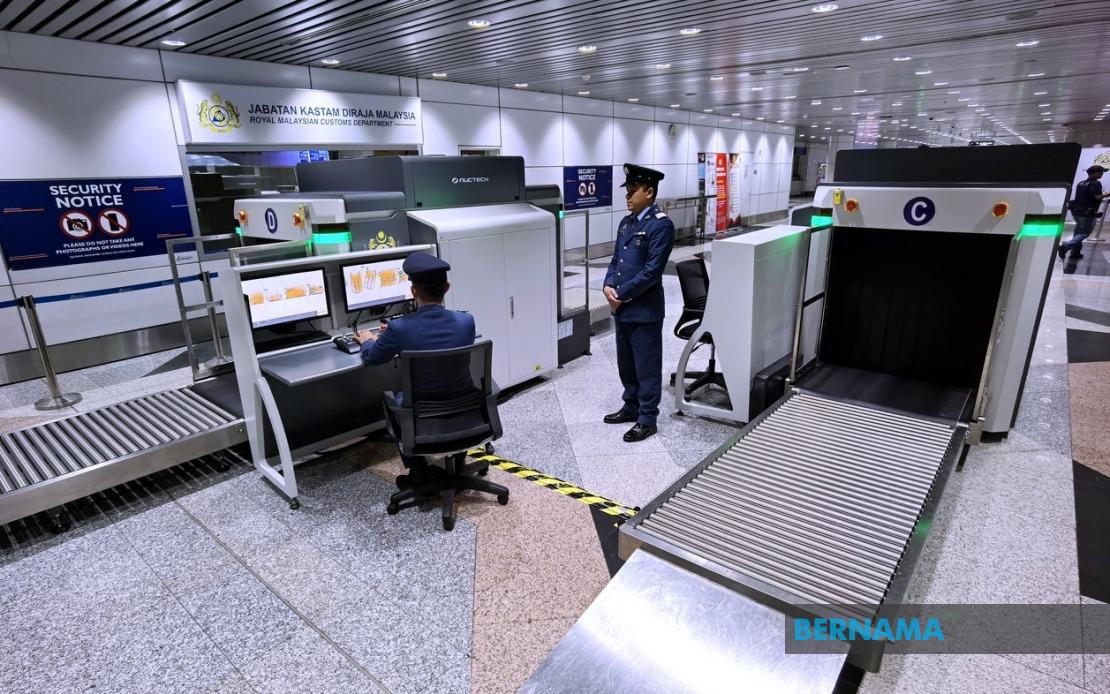
Malaysia Airports Holdings Bhd has reaffirmed its resolve to work alongside enforcement agencies in tackling illegal border crossings and criminal activity, responding to the recent detention of a 39-year-old Malaysian airline pilot in Indonesia on suspicion of attempting to smuggle narcotics. The airport operator, which manages Kuala Lumpur International Airport, said it would extend full cooperation to authorities investigating the case while strengthening collaborative security measures with relevant government bodies to prevent similar incidents.
The pilot was apprehended on July 29 after arriving from Malaysia with a consignment comprising approximately 70,114 ecstasy pills and four grammes of methamphetamine, valued at an estimated Rp60 billion. Indonesian investigators have indicated the suspect may have conducted multiple previous smuggling runs into the country and could be part of a larger international drug trafficking network. The discovery has prompted renewed scrutiny of screening protocols at the region's busiest airport hub and raised questions about how such quantities of controlled substances can transit through increasingly sophisticated security systems.
MAHB's Aviation Security division operates under a clearly defined operational remit focused on preventing threats that directly endanger aviation safety, such as explosives, weapons, and other items capable of compromising aircraft or passenger safety. The division deploys advanced technology and rigorous screening protocols for all checked baggage, including crew belongings, departing through KLIA. However, the airport operator clarified that the detection and prosecution of drug-related offences falls outside its primary mandate and instead rests with law enforcement bodies including the Royal Malaysia Police and Royal Malaysia Customs Department, which maintain permanent presence and investigative capacity at the airport.
The demarcation between aviation security and broader law enforcement responsibilities reflects the compartmentalised approach to border control at major international airports. MAHB emphasised that while its team focuses narrowly on threats to flight operations, it actively shares intelligence and coordinates operational activities with police, customs officials, and other authorities to create a comprehensive enforcement environment. This multi-layered approach is intended to catch contraband and criminal activity before it reaches departure gates, though the successful smuggling of large drug quantities suggests gaps may exist in either screening effectiveness or inter-agency communication protocols.
Data provided by MAHB indicates that between January and July this year, its security personnel worked alongside police officers to intercept more than 30 attempted smuggling operations involving illegal substances at the airport. This figure underscores both the scale of trafficking pressure on Malaysian air facilities and the effectiveness of collaborative enforcement when properly coordinated. Nevertheless, the successful departure of a pilot carrying substantial drug quantities suggests that institutional vulnerabilities remain, particularly regarding crew members whose movements may face less rigorous scrutiny than ordinary passengers due to occupational privileges and airport familiarity.
The case carries particular significance for Malaysia's international reputation and its relationships with neighbouring countries, particularly Indonesia, which has some of the region's harshest drug laws and maintains zero-tolerance enforcement policies. The involvement of an airline crew member adds a dimension of institutional vulnerability, raising concerns that employees with security clearances and regular airport access might be exploited by trafficking networks. This pattern has emerged in previous drug cases across Asia-Pacific aviation hubs, where insiders have provided critical logistical support for smuggling operations.
Civil Aviation Authority of Malaysia has initiated a separate investigation examining whether standard aviation security procedures were rigorously applied during the relevant flight operations and baggage handling processes. Authority chief executive officer Datuk Capt Norazman Mahmud indicated the inquiry would assess both the airline's adherence to security protocols and KLIA's screening standards from a regulatory compliance perspective. This dual investigation reflects aviation authorities' concern that systematic procedural failures, rather than isolated breaches, may have enabled the smuggling attempt.
The broader context for this incident involves evolving trafficking methodologies in Southeast Asia, where criminal networks continuously adapt to circumvent border controls. The region's position at a crossroads of major drug production areas in the Golden Triangle and growing synthetic drug manufacturing capacity creates sustained demand for smuggling routes. Malaysian airports, particularly KLIA, occupy a strategic position in this illicit supply chain due to Malaysia's geographical location, relatively high passenger throughput, and connectivity to major regional and international markets.
Indonesian investigators' preliminary findings that the suspect may have completed previous smuggling runs and maintains connections to international trafficking organisations suggest a systematic operation rather than opportunistic criminal activity. The identification of a structured network operating through KLIA highlights risks that extend beyond individual enforcement actions and point toward the need for strategic intelligence sharing and proactive investigation of crew members and airport workers. Law enforcement agencies across the region have increasingly recognised that disrupting trafficking networks requires identifying organisational structures and financial flows, not merely intercepting individual shipments.
MAHB's public commitment to supporting enforcement efforts signals institutional acknowledgment of the airport's critical role in national security and drug interdiction strategies. However, the incident underscores the limitations of technological screening alone in preventing contraband movement. Advanced baggage systems can detect weapons and explosives but operate within narrower parameters when confronting concealable drug quantities that may evade chemical or X-ray detection. The human dimension of security—intelligence gathering, behavioral analysis, and personnel vetting—remains essential, particularly for employees with privileged airport access.
The pilot case also raises questions about crew vetting procedures and whether occupational requirements for frequent international travel create opportunities for recruitment by trafficking organisations. Airlines and aviation authorities across Southeast Asia have begun implementing enhanced background checks and monitoring systems, but information sharing between carriers and law enforcement remains inconsistent. Malaysia's experience with this case may prompt regional discussions about standardised crew security protocols and real-time data sharing systems.
Looking forward, the multi-agency response to this incident will likely influence border security practices at KLIA and potentially across the region. Malaysian authorities face pressure to demonstrate that the country's major aviation hub functions as a robust barrier against trafficking while maintaining operational efficiency for legitimate travel and commerce. The balance between security effectiveness and passenger facilitation remains perpetually challenging, but cases involving substantial drug quantities and organised networks typically result in tightened procedures and enhanced scrutiny of crew operations.

