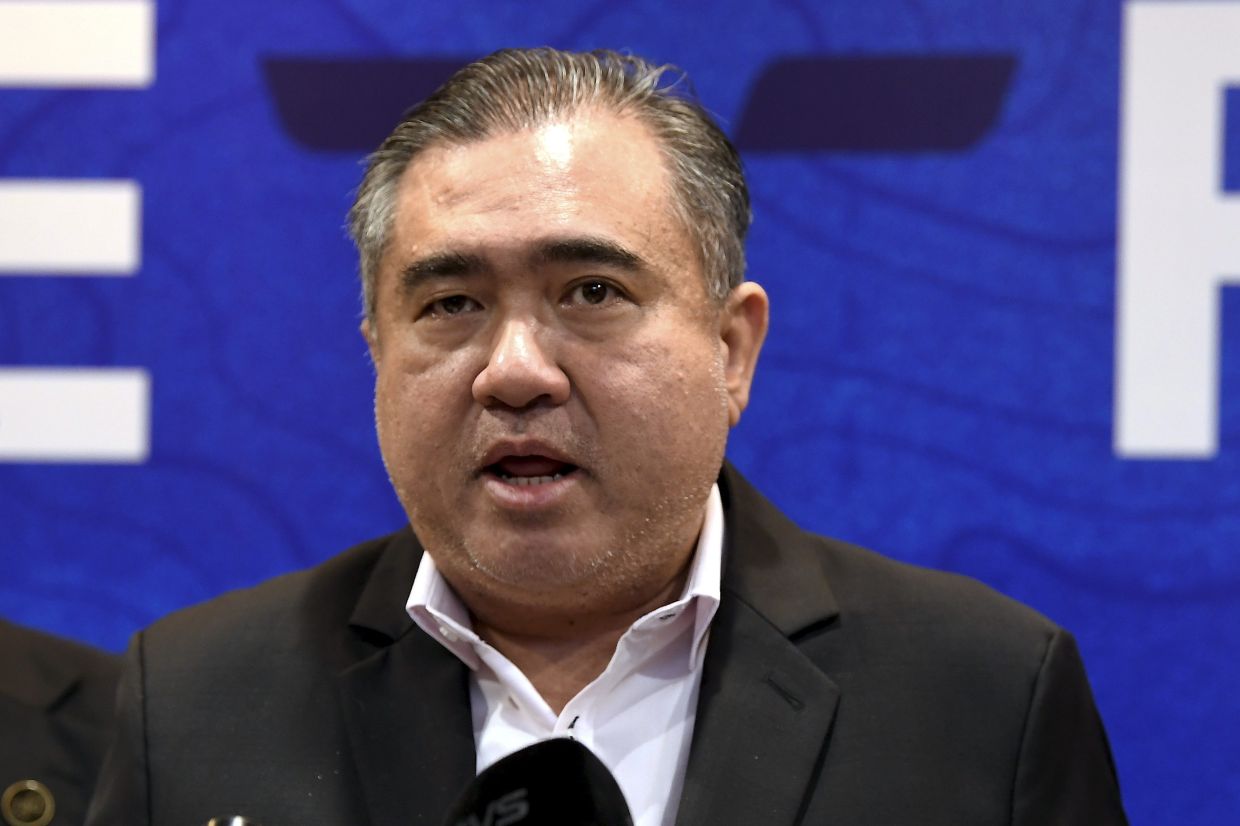
Malaysia Airports Holdings Berhad and Mitsui Fudosan are moving forward with a RM80 million logistics complex at Subang Airport, marking a significant expansion of the country's air cargo infrastructure. Transport Minister Anthony Loke Siew Fook unveiled the initiative during Thursday's groundbreaking ceremony, emphasising the strategic importance of leveraging Malaysia's airport assets through partnerships with international experts. The development reflects a deliberate shift towards monetising the nation's aviation real estate while simultaneously addressing capacity constraints that have long limited air freight operations.
The partnership represents MAHB's strategy to unlock value from its substantial landholdings by collaborating with partners possessing proven expertise in constructing and managing high-efficiency logistics facilities. Mitsui Fudosan brings considerable operational credentials from Japan, where the company has successfully developed and operated complex logistics operations at Haneda Airport, one of Asia's busiest aviation hubs. This international expertise is intended to minimise execution risks for MAHB while ensuring the facility meets global standards for efficiency and service delivery. The joint venture structure, established through MFMA Industrial Sdn Bhd, pools the resources and capabilities of both organisations to create a facility that can attract premium tenants and compete regionally.
The Subang facility will occupy a 1.78-hectare site within Subang Aerotech Park and provide approximately 254,420 square feet of operational space. Its design incorporates flexible tenancy arrangements, allowing the complex to accommodate diverse client requirements across the aviation, aerospace and logistics sectors. Strategically positioned within one of Malaysia's most established aerospace clusters in the Klang Valley, the development will benefit from proximity to existing operators and supporting services that have accumulated over decades. The configuration enables businesses to access a comprehensive ecosystem of suppliers, service providers and complementary operators without geographical fragmentation.
Completion is targeted for the third quarter of 2027, with operational commencement expected in the final quarter of that year. This timeline aligns with broader national initiatives to enhance air cargo capabilities across multiple airports, reflecting recognition that capacity constraints have become a competitive disadvantage. The facility will initially serve the maintenance, repair and overhaul sector, a high-value segment that generates substantial employment and attracts premium tenants with specialised requirements.
Loke's comments during the ceremony revealed a comprehensive national strategy to restructure Malaysia's air cargo landscape. The government is simultaneously advancing projects at Kuala Lumpur International Airport and Kota Kinabalu International Airport, each with distinct roles in a coordinated regional network. This multi-airport approach acknowledges that different facilities possess different competitive advantages and geographic advantages, and that strategic development requires differentiated strategies rather than concentration at a single hub.
Penang's current dominance of Malaysia's air cargo sector, accounting for approximately 75 percent of national throughput, reflects its deep integration into semiconductor manufacturing supply chains. Rather than attempting to displace this established position, the government's strategy seeks to complement Penang's strength by developing supplementary capacity elsewhere. This approach recognises that Malaysia's semiconductor industry drives substantial logistics volumes and that supporting this sector's growth should remain a priority rather than attempting to diversify away from it.
KLIA's development as an ASEAN regional air cargo hub incorporates collaboration with China, signalling alignment with major trading patterns and China's position as both a manufacturing source and consumer market. This regional positioning strategy reflects sophisticated recognition that Malaysia cannot compete as a primary shipper but can succeed as a transshipment and value-added services centre. Such a role requires connectivity to major markets and capability to service equipment and goods in transit, justifying investment in repair and logistics facilities.
The Kota Kinabalu expansion represents a distinct initiative, repurposing Terminal 2 to establish air cargo capabilities in Sabah. This development addresses Malaysia's geographic disparity, ensuring that the country's eastern regions possess air freight facilities capable of serving regional markets and supporting local industries. Sabah's integration into the national air cargo network could unlock economic opportunities for agricultural exports and manufacturing in that region.
The Subang project sits within this broader ecosystem, occupying a specific niche centred on maintenance, repair and overhaul services. This specialisation creates a distinct value proposition compared to general cargo handling at larger international airports. MRO services command premium pricing and attract international operators seeking expertise and reliability, making Subang an attractive location due to its established aerospace cluster and proximity to skilled labour and suppliers.
The involvement of the Japanese Embassy and Mitsui Fudosan executives underscores the international dimensions of this initiative. Japanese investment in Malaysian aviation infrastructure reflects Tokyo's strategic interests in Southeast Asian supply chains and logistics networks. For Malaysia, such partnerships provide access to capital, technology and operational expertise while reducing execution risk on major infrastructure projects.
MAHB's managing director Datuk Mohd Izani Ghani and Mitsui Fudosan Asia managing director Masayoshi Saito's participation signals serious commitment from both organisations. Such high-level engagement typically indicates confidence in project viability and long-term strategic importance within each company's broader portfolio and regional strategy.
For Malaysian stakeholders in aviation and logistics, the Subang development represents tangible progress towards addressing constraints that have limited sector growth. The facility's anticipated commencement in late 2027 positions it to capture rising demand from Malaysia's expanding aerospace clusters and the region's growing logistics requirements as supply chains diversify away from China-centric configurations.
The project illustrates how Malaysia can leverage its geographic position, established industrial clusters and substantial government-owned assets to attract foreign investment and develop competitive advantages in high-value logistics segments. Rather than relying solely on government funding, the partnership approach enables rapid development while introducing international expertise and operational standards that enhance competitiveness.

