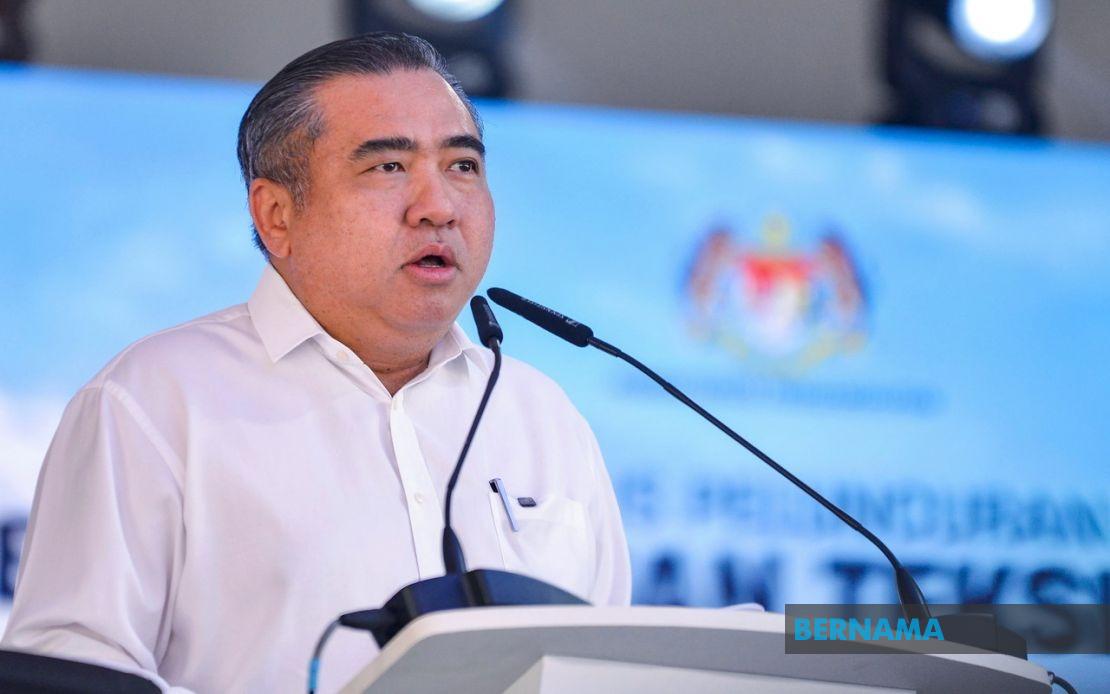
Transport Minister Anthony Loke has unveiled a fundamental restructuring of Malaysia's taxi industry through the National MADANI Taxi Reform Programme, which fundamentally reverses decades of leasing arrangements by granting drivers legal ownership of their vehicles. The initiative, launched today at Dataran Merdeka by Prime Minister Datuk Seri Anwar Ibrahim, represents a watershed moment for the taxi sector, addressing longstanding grievances among drivers who have historically operated under lease-to-own arrangements with fleet owners and financing companies.
The shift marks a deliberate policy decision to reshape the relationship between drivers and their vehicles. Rather than perpetuating the traditional model where drivers paid regular lease fees while fleet operators retained ownership and control, the new framework allows drivers to become legal proprietors of their taxis even when financing arrangements involve financial institutions. This distinction is crucial—drivers build equity from day one, creating pathways toward genuine asset accumulation rather than perpetual monthly obligations with no ultimate ownership transfer.
The government secured special approval from the Ministry of Finance to facilitate this ownership restructuring, signalling a broader commitment to empowering the transportation workforce. By removing the intermediary interests of fleet leasing companies, the framework potentially liberates drivers from restrictive service charges, excessive maintenance fees, and other ancillary costs that have historically compressed their earning margins. The policy acknowledges that ownership stakes create stronger incentives for vehicle maintenance and longevity, ultimately improving service quality and passenger safety.
The Proton S70 sedan has been selected as the standardised vehicle for the reformed taxi fleet, chosen specifically for its integrated safety systems, comfortable interior specifications, and fuel-efficient engine performance. This selection carries strategic importance beyond mere vehicle choice—it represents confidence in domestic automotive manufacturing capabilities and demonstrates how industrial policy can align with transport reform objectives. The S70's relatively modern design and technological features position Malaysian taxis competitively against private hire vehicles that have fragmented the traditional taxi market.
Visually, the new taxis will abandon the conventional rooftop advertising sign, or taxi topper, that has characterised Malaysian cabs for generations. Instead, the vehicles will display a distinctive registration plate series prefixed with "GET", creating immediate visual differentiation in traffic and establishing a strong brand identity for reformed taxis. This aesthetic modernisation signals to the public that they are engaging with an upgraded service ecosystem, potentially enhancing the sector's reputation after years of declining passenger trust due to competition from digital ride-hailing platforms.
The programme addresses the structural challenge of driver income sustainability through multiple revenue diversification channels. Digital advertising screens integrated into taxi cabins will generate supplementary income streams beyond conventional fares, recognising that transportation environments increasingly function as advertising platforms. This monetisation approach has proven successful internationally and reflects how modern mobility services capture value across multiple touchpoints rather than relying solely on passenger fares.
Crucially, the reform incorporates integration with e-hailing platforms through standardised digital booking systems, effectively positioning reformed taxis within the broader ride-sharing ecosystem rather than attempting to compete against it through protectionist measures. This technological convergence acknowledges market realities—passengers have shifted expectations toward app-based booking, real-time tracking, and cashless transactions. By embedding taxis within existing digital infrastructure, the government creates seamless interoperability while preserving the regulated status and safety standards that distinguish formal taxi services from unregulated alternatives.
The implications for Malaysia's transportation landscape extend beyond individual driver circumstances. Traditional taxi sectors throughout Southeast Asia have struggled against digital disruption, experiencing declining market shares and accelerating job losses. By fundamentally restructuring the ownership model while simultaneously modernising vehicles and integrating digital systems, Malaysia's approach offers a potential template for other regional governments grappling with similar industry challenges. The strategy prioritises taxi driver interests rather than fleet operator profits, inverting traditional power dynamics that have characterised transport regulation.
For passengers, the programme signals potential improvements in service consistency and vehicle quality. New Proton S70 vehicles with modern safety features present advantages over the ageing taxi fleets still operating in many Malaysian cities. The integration with digital booking systems addresses persistent pain points including difficulty hailing cabs during peak hours and concerns about transparent pricing mechanisms that generated public frustration in pre-reform eras.
The ownership restructuring also carries implications for driver welfare and social mobility. Traditionally, taxi drivers accumulated minimal assets despite decades of labour, with lease payments flowing to external investors. Under the reformed model, drivers build equity stakes that can appreciate over time, potentially offering retirement security and intergenerational wealth transfer opportunities. This reframing shifts taxis from merely generating current income toward generating durable asset value, fundamentally improving the occupational pathway's attractiveness to younger workers considering transport sector careers.
The programme's success will ultimately depend on execution efficiency, particularly regarding the speed at which financing mechanisms become operationally available and the actual terms offered to drivers. Previous Malaysian transportation reforms have encountered implementation delays and unforeseen complications. Ensuring transparent financing conditions, competitive interest rates, and clear ownership transition timelines will prove essential for achieving genuine driver adoption rather than skeptical participation.

