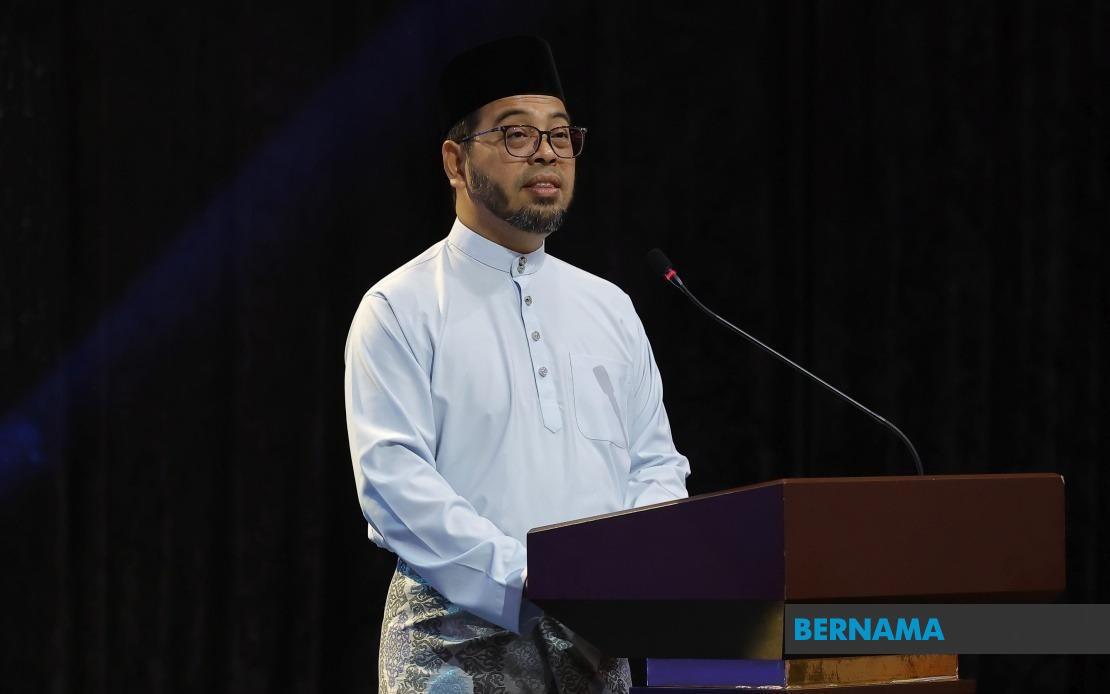
Malaysia's Islamic education sector is set for renewed focus under the MADANI administration, with Religious Affairs Minister Dr Zulkifli Hasan pledging that tahfiz institutions will strengthen and expand in tandem with conventional schooling systems. Speaking at the 34th convocation ceremony of Darul Quran JAKIM in Kuala Lumpur, Zulkifli outlined a vision where Quranic memorisation programmes remain integral to the nation's educational landscape while equipping graduates with contemporary skills and knowledge applicable across diverse professional fields.
The government's emphasis on tahfiz education extends beyond the traditional understanding of producing huffaz, or Quran memorisers. Instead, the focus has shifted toward cultivating comprehensive individuals grounded in Islamic principles while possessing practical competencies in areas such as education, law, research, and administration. This broader conception reflects evolving expectations that Islamic scholars must engage meaningfully with modern development priorities rather than operate in isolation from mainstream economic and social progress.
Darul Quran JAKIM's milestone Diamond Jubilee celebration—marking six decades of institutional operation since 1966—provided the occasion for this policy reaffirmation. The institution has established itself as a leading national authority in tahfiz education, demonstrating sustained excellence across multiple generations of students. Over its 60-year history, the organisation has graduated 12,633 huffaz who have dispersed into roles spanning Islamic jurisprudence, religious outreach, public administration, and academic research, substantially shaping Malaysia's Islamic institutional fabric.
The most recent convocation ceremony underscored this educational diversity. Seven hundred graduates completed their studies through varied pathways: 37 students earned Bachelor's degrees in collaboration with Universiti Sains Islam Malaysia, 454 completed Diploma programmes in Quranic studies and recitation techniques, 204 obtained tahfiz certification through specialist programmes, and five received basic tahfiz certificates. This stratified credential structure enables entry at multiple educational levels and accommodates individuals with different vocational aspirations.
Zulkifli characterised the anniversary as a moment for institutional reflection and forward planning. The 60-year legacy should inspire greater ambitions for the coming decades, he suggested, implying that historical achievements establish benchmarks for future innovation rather than serving as endpoints of institutional development. This framing aligns with broader MADANI government rhetoric emphasising continuity with Malaysia's Islamic heritage alongside progressive modernisation.
The Malaysian approach to tahfiz education reflects broader regional patterns in Southeast Asia, where Islamic scholarship institutions occupy important positions within national education systems. Unlike some neighbouring countries where religious and secular education remain sharply compartmentalised, Malaysia has pursued integration through frameworks permitting tahfiz graduates to pursue university credentials and professional certifications. This integration reduces artificial barriers between religious and secular knowledge domains, potentially enhancing graduate employability and social relevance.
The government's commitment to developing tahfiz education alongside mainstream pathways also addresses demographic and social considerations. Malaysia's Muslim population, constituting roughly 70 percent of the nation's 34 million inhabitants, has demonstrated sustained interest in Quranic education for their children. By institutionalising and professionalising tahfiz education through accredited programmes, the state provides families with transparent quality assurances while channelling religious education through regulated frameworks accessible to government oversight and coordination with broader educational policy.
For Malaysian policymakers, tahfiz education represents a mechanism for balancing religious identity preservation with contemporary skill development. Graduates equipped with both Quranic knowledge and professional qualifications can serve as bridges between traditional Islamic communities and modern institutional structures—a positioning particularly valuable in contexts where religious leadership increasingly requires engagement with technology, administration, and policy environments.
The celebration of Darul Quran's achievements also highlights the institutional depth Malaysia has developed in Islamic education infrastructure. The existence of a specialised, 60-year-old institution producing thousands of credentialled graduates distinguishes Malaysia from neighbours with less formalised religious education systems. This institutional maturity enables differentiation between various levels of Islamic learning and certification, reducing credential inflation and enhancing the recognisability of graduate qualifications across employment sectors.
Zulkifli's emphasis on the coming decade's transformation indicates that the MADANI Government views tahfiz education not as a static domain requiring preservation but as a dynamic sector benefiting from strategic modernisation. Potential developments might include expanded digital learning infrastructure, enhanced pedagogical training for instructors, strengthened connections between tahfiz institutions and employment sectors, or increased international collaboration with respected Islamic educational centres. Such innovations would position Malaysian tahfiz education as a competitive offering within the Islamic education marketplace increasingly contested among Gulf, Turkish, Egyptian and Southeast Asian institutions.
The broader implication of the government's commitment involves recognising that Islamic education represents a legitimate and necessary complement to secular schooling in multi-religious Malaysia. Rather than viewing these educational pathways as competing systems or sources of tension, the policy framework acknowledges that many Malaysian Muslims seek educational experiences combining religious and conventional knowledge. By strengthening institutional capacity, professionalising credentials, and facilitating graduate integration into varied career pathways, the government creates conditions enabling Islamic education to flourish within a coherent national system rather than existing as a parallel or marginalised sector.

