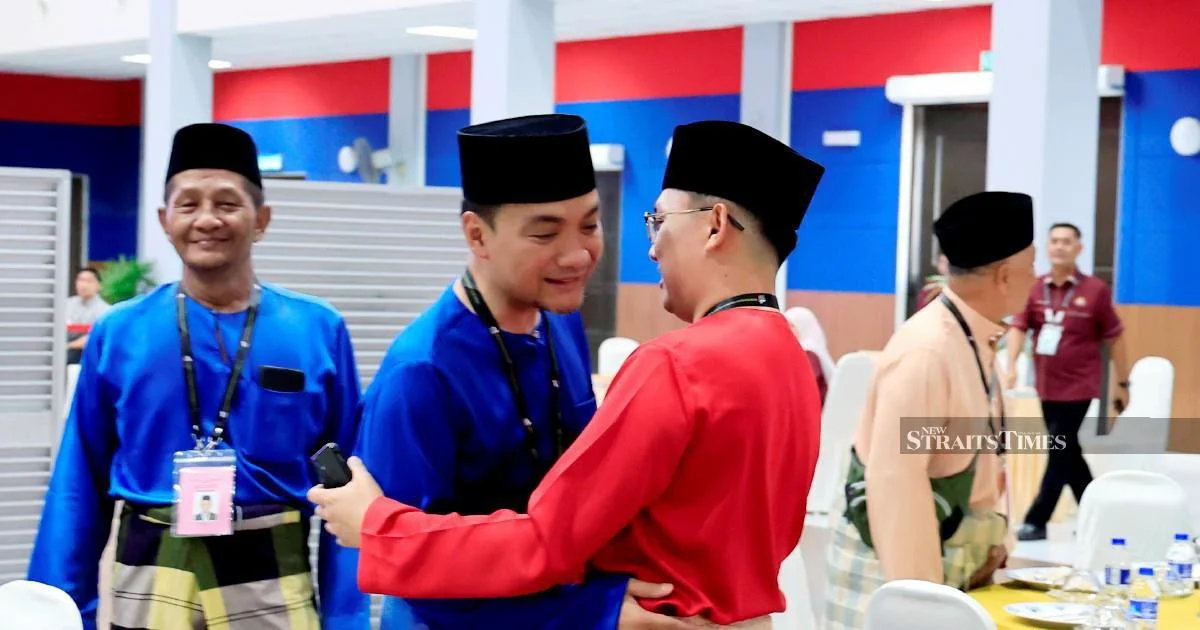
The Machap state constituency in Johor is now confirmed for a straight two-way contest, setting up a direct electoral battle between caretaker Menteri Besar Datuk Onn Hafiz Ghazi of Barisan Nasional and opposition candidate Nur Hafiz representing Pakatan Harapan. This configuration eliminates the possibility of a three-cornered fight, potentially intensifying the competition between the two major political blocs in one of Johor's key seats.
Onn Hafiz's decision to defend his Machap seat represents a significant personal stake in the upcoming state election, where he currently serves as the caretaker Menteri Besar overseeing the government during the campaign period. His choice to contest the constituency reflects the leadership's confidence in his electoral standing, even as Barisan Nasional navigates a complex political landscape in Johor that has seen considerable shifts in recent election cycles.
The Pakatan Harapan selection of Nur Hafiz as their champion in Machap signals the opposition coalition's determination to contest this constituency seriously. The nomination process, which has now been concluded, demonstrates that both major coalitions view this seat as contested territory rather than a foregone conclusion, suggesting a genuinely competitive election battle lies ahead in this district.
Machap holds particular significance within Johor's political architecture, serving as one of the assembly constituencies that will collectively determine the composition of the state government. The seat's electoral dynamics have evolved considerably over successive election cycles, reflecting broader patterns of voter sentiment in the state. Understanding Machap's trajectory provides insight into how different regions of Johor have responded to shifting political narratives and governance records.
For Barisan Nasional, retaining Machap would be crucial to maintaining its overall foothold in Johor's legislature and demonstrating continued relevance in constituencies traditionally associated with the ruling coalition. The coalition has emphasised governance achievements and economic development initiatives as its campaign platform, arguing that continuity in leadership ensures stability and ongoing infrastructure advancement in the state.
Pakatan Harapan's challenge in Machap reflects the opposition's broader strategy to contest parliamentary and state seats across the country systematically. The coalition has presented alternative policy frameworks and governance approaches designed to appeal to voters seeking change or expressing dissatisfaction with incumbent performance. Their nomination of Nur Hafiz represents a calculated effort to field a candidate perceived as capable of connecting with the local electorate.
The elimination of any third-party or independent candidacy in Machap streamlines voter choice to a binary decision between the two major coalitions. This dynamic often heightens campaign intensity, as undecided voters have only two options to weigh rather than multiple alternatives. Campaign messaging tends to become more direct and polarised in such straight contests, with each side working to consolidate its core support while appealing to swing voters.
For Malaysian voters monitoring the Johor election, the Machap contest exemplifies the competitive dynamics defining contemporary Malaysian politics. The predominance of two-coalition contests reflects increased polarisation and the structural dominance of Barisan Nasional and Pakatan Harapan across most electoral districts. This binary configuration shapes campaign strategies, voter mobilisation efforts, and ultimately the composition of the elected assembly.
The nomination arrangements for Machap conclude months of speculation regarding candidacy, allowing both coalitions to shift focus toward campaign implementation and voter engagement activities. Election commissions and political operatives can now concentrate resources on specific constituencies with confirmed candidates, enabling more precise campaign planning and allocation of campaign machinery.
Onn Hafiz's role as caretaker Menteri Besar during the election period underscores the institutional continuity that Barisan Nasional seeks to project. As the sitting chief minister defending his seat, his personal electoral fortunes become symbolically intertwined with broader evaluations of state government performance. Voters' assessment of his tenure and personal suitability for continued representation will likely influence outcomes not merely in Machap but in broader perceptions of the administration's effectiveness.
The straight contest configuration in Machap will likely influence voter turnout and participation patterns, as campaigns narrow their messaging to address two distinct visions for the constituency's future. Local issues specific to Machap—infrastructure development, service delivery, economic opportunities, and community concerns—will feature prominently as both candidates seek to demonstrate their superior ability to address constituents' priorities.
As the Johor state election campaign progresses, the Machap constituency will serve as a barometer for broader trends in Johor electoral sentiment. The result in this seat will contribute to the overall state composition and offer insights into voter preferences regarding governance, economic policy, and the direction voters wish their state to move. The two-way nature of the contest ensures that victory margins and voting patterns will be particularly scrutinised for their implications.

