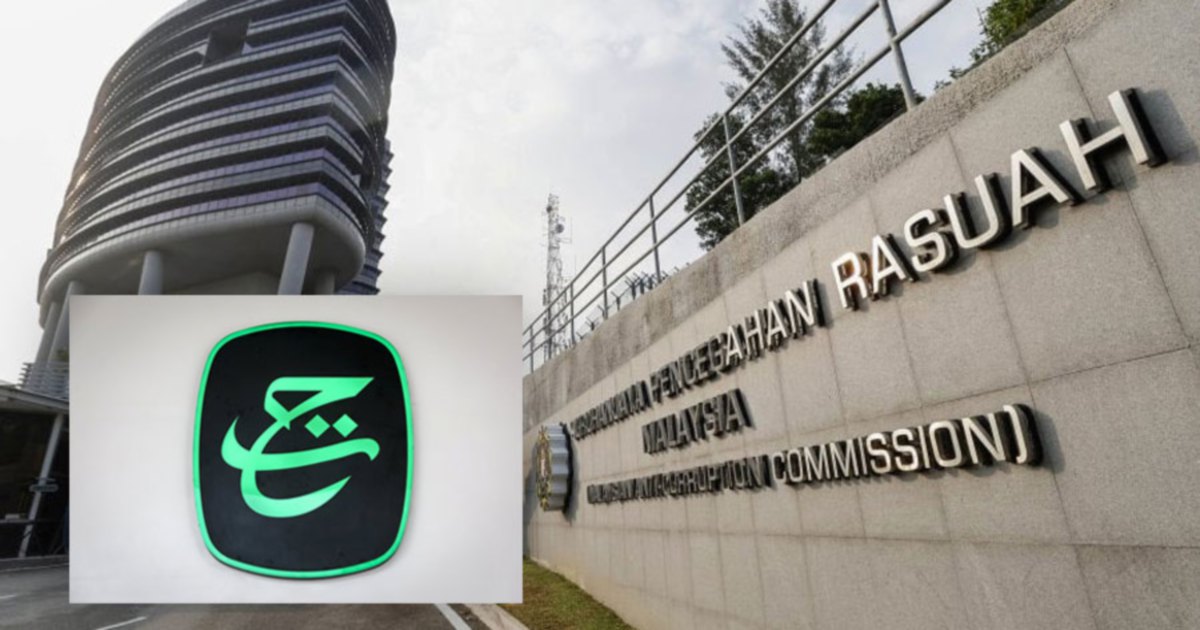
The Malaysian Anti-Corruption Commission is preparing to bring in a former chief executive officer of Tabung Haji for questioning, marking an escalation in its investigation into governance and financial matters at the Islamic pilgrimage fund. The development follows conclusions drawn in a Royal Commission of Inquiry that examined the institution's operations and leadership decisions during a period of significant financial turbulence.
Tabung Haji, the country's dedicated fund facilitating savings for Malaysian Muslims undertaking the Islamic pilgrimage to Mecca, has been under intense scrutiny in recent years amid concerns about management practices and investment strategies. The appointment of a Royal Commission represented a formal institutional response to these mounting pressures, establishing an independent mechanism to investigate allegations and determine accountability within the organisation's leadership structure. The inquiry's findings have now provided what officials characterise as substantive grounds for pursuing administrative and potentially legal action.
The decision to pursue questioning of the former executive reflects the MACC's wider mandate to investigate potential irregularities within public institutions and entities handling government-linked funds. By targeting individuals in senior decision-making roles, the commission is signalling its commitment to examining how strategic choices during critical periods may have contributed to governance lapses or financial losses. The focus on a previous rather than current CEO suggests the investigative trajectory encompasses decisions made during a specific timeframe, likely spanning several years of institutional challenges.
For Malaysian Muslim pilgrims and their families, the investigation carries profound significance beyond headline-grabbing corruption cases. Tabung Haji functions as more than a financial institution—it represents a trusted repository of savings for millions planning their religious journey, often representing lifetime accumulated funds. Public confidence in the organisation's management directly affects participation and the security households feel when entrusting substantial sums to its care. Investigations demonstrating accountability, therefore, serve a crucial legitimacy function in rebuilding stakeholder trust.
The Royal Commission's investigative process itself consumed considerable institutional resources and public attention, suggesting its members identified patterns warranting closer examination by enforcement authorities. The transition from advisory commission recommendations to active criminal investigation represents a meaningful escalation, indicating that the inquiry found evidence sufficiently concerning to warrant law enforcement engagement. This sequential approach—first establishing facts through a commission, then pursuing enforcement action—follows established Malaysian practice in high-profile institutional investigations.
The timing of the MACC's anticipated summons also reflects broader governance pressures facing Malaysia's institutional landscape. Enhanced anti-corruption focus, driven partly by international regulatory expectations and domestic reform momentum, has elevated scrutiny of public and public-linked entities. Senior executives increasingly operate within an environment where past decisions face forensic examination, particularly during periods when organisations encountered financial distress or accountability gaps.
Contextually, Tabung Haji's challenges emerged during a complex global and domestic economic environment. Investment decisions made during the period under investigation occurred amid shifting market conditions and evolving regulatory frameworks governing Islamic financial institutions. Nevertheless, regardless of external circumstances, organisational leadership bears responsibility for strategic choices and their consequences. The MACC investigation will likely examine whether decision-making processes met expected standards and whether institutional controls functioned adequately to prevent irregular practices.
For the pilgrimage fund sector and Islamic finance more broadly in Southeast Asia, the investigation carries implications beyond Malaysia's borders. Comparable institutions across the region maintain substantial assets and serve millions of faithful. The rigour with which Malaysia addresses governance lapses at Tabung Haji may influence how regional competitors and stakeholders assess risks associated with pilgrimage savings mechanisms and the institutional integrity of faith-based financial services.
The anticipated summons signals that investigators have reached a stage requiring direct engagement with the former executive to establish facts, clarify decision-making rationales, and pursue corroboration of documentary evidence. Such questioning typically represents a juncture where investigation transitions from background examination toward potential charging decisions. The former CEO's cooperation and forthcoming testimony may significantly influence whether investigation conclusions support recommendations for prosecution or alternative administrative remedies.
Looking forward, the investigation's trajectory will likely continue attracting public attention given Tabung Haji's cultural and religious significance within Malaysian Muslim communities. Beyond the specific question of individual accountability, the case underscores broader questions about governance standards, internal controls, and oversight mechanisms within major public-linked institutions. The MACC's execution of its investigative mandate will be observed closely as a test of whether Malaysia's anti-corruption institutions can effectively address governance lapses in sensitive, culturally significant organisations.
The organisation itself has undertaken restructuring initiatives and leadership changes since the period under investigation, attempting to demonstrate reformed operational practices and renewed commitment to stakeholder protection. Nevertheless, these contemporaneous improvements do not preclude accountability for past decisions. As the MACC pursues its investigation and moves toward potential summons, questions about institutional governance accountability and the protection of pilgrims' savings will remain central to public discourse surrounding Malaysia's Islamic finance sector and institutional integrity.

