The Malaysian Anti-Corruption Commission (MACC) will convene the 22nd ASEAN Parties Against Corruption (ASEAN-PAC) Secretariat Meeting in Melaka from July 28 to 30, marking a significant gathering of regional agencies focused on coordinating the fight against graft. The three-day session represents Malaysia's second major regional summit during its chairmanship of ASEAN-PAC for the 2025 to 2026 term, underscoring the country's elevated role in shaping anti-corruption policy across Southeast Asia.
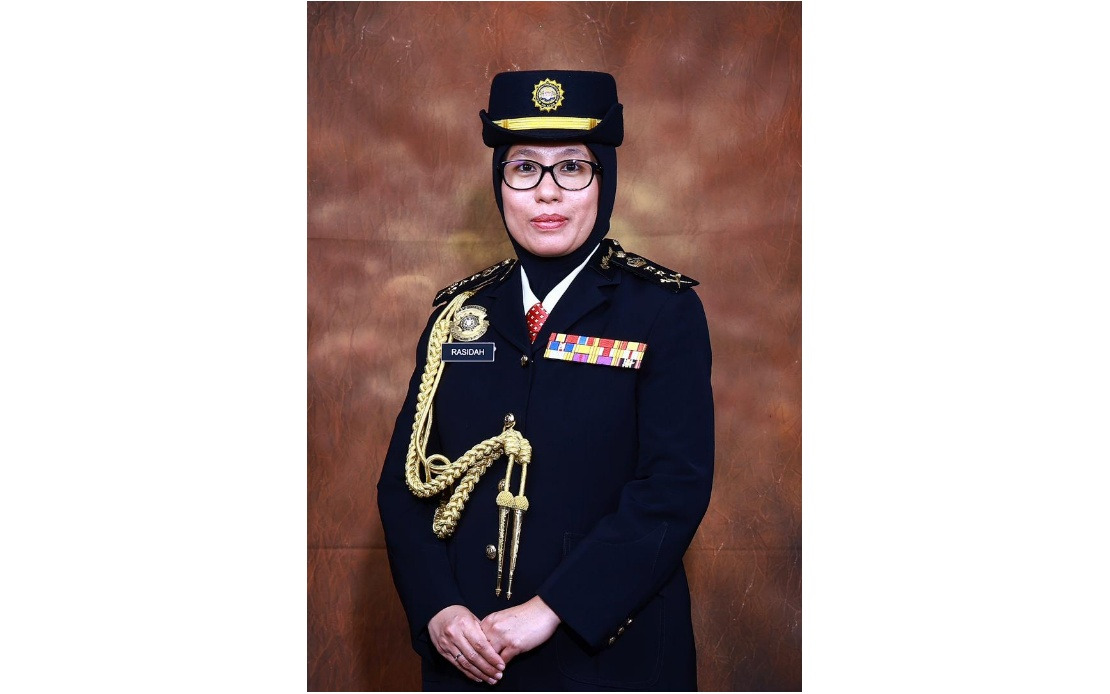
MACC Chief Commissioner Datuk Seri Abd Halim Aman will officially open the meeting, lending institutional weight to proceedings that promise to reshape how the region's enforcement bodies collaborate on increasingly complex corruption schemes. Datuk Rasidah Abdul Karim, director of the MACC's Policy, Planning and Research Division, confirmed that delegates from anti-corruption agencies in all ten ASEAN member states plus Timor-Leste will participate, alongside representatives from influential international bodies including the United Nations Office on Drugs and Crime, the Organisation for Economic Co-operation and Development, and the Asian Development Bank.
The inclusion of Timor-Leste, which formally joined ASEAN-PAC last year, signals the bloc's expanding commitment to encompassing the entire Southeast Asian region in unified anti-corruption efforts. This enlargement reflects recognition that corruption transcends national borders and that comprehensive regional frameworks are essential to prevent sophisticated criminal networks from exploiting gaps between jurisdictions. Each nation brings distinct enforcement challenges and institutional strengths, creating opportunities for peer learning and the adaptation of successful strategies across different legal and governance contexts.
The agenda extends beyond conventional law enforcement to encompass institutional reform and prevention. A dedicated seminar titled "Integrity in Major Infrastructure Projects" will examine how anti-corruption frameworks can protect large-scale development initiatives from graft and mismanagement. This focus addresses a critical vulnerability in the region, where major infrastructure projects—spanning transportation, energy, and telecommunications—have historically attracted corrupt practices that inflate costs, delay delivery, and undermine public trust. By examining governance structures, risk management approaches, and integrity enhancement mechanisms, participating agencies aim to establish common standards that strengthen public procurement and project oversight across member states.
The meeting will facilitate detailed discussions on emerging corruption trends that threaten regional stability and economic development. Member agencies will exchange intelligence on novel schemes, compare investigative methodologies, and coordinate responses to transnational corruption involving multiple jurisdictions. This collaborative approach recognizes that modern corruption often involves complex financial flows, shell companies, and offshore mechanisms that require sophisticated cross-border coordination to unravel.
Capacity building features prominently in the secretariat's work programme, reflecting the reality that enforcement effectiveness depends on institutional maturity, technical expertise, and adequate resources. Agencies across ASEAN operate under varying constraints—some benefit from advanced digital forensics capabilities and extensive international training, while others face resource limitations and developing legal frameworks. Structured knowledge transfer and technical assistance initiatives help narrow these gaps, enabling less-resourced agencies to adopt proven practices and invest in specialized skills.
The gathering also emphasizes transparency and integrity as foundational public governance principles. Participants will explore how anti-corruption agencies can work with government entities to embed integrity mechanisms into administrative processes, procurement systems, and public service codes of conduct. This preventative approach complements enforcement activity by creating environments where corrupt practices become increasingly difficult to execute and easier to detect.
International organizations present at the meeting contribute specialized expertise and global best practices. The OECD, for instance, brings experience from fighting corruption across diverse economies; the ADB offers insights from financing major regional projects; and the UNODC provides frameworks derived from international drug and crime convention protocols. The Perdana International Anti-Corruption Champion Foundation adds a Malaysian perspective shaped by the country's own anti-corruption journey and institutional evolution.
Beyond formal proceedings, the secretariat meeting incorporates cultural and networking elements that strengthen professional relationships among delegates from diverse backgrounds. Exposure to Malaysia's cultural heritage creates informal settings where officials can build trust, exchange views candidly, and establish personal networks that facilitate future cooperation. These interpersonal connections often prove invaluable when agencies must coordinate urgent investigations or share sensitive intelligence.
The meeting's timing reflects MACC's strategic positioning within regional architecture. By hosting during its chairmanship term, Malaysia demonstrates leadership and commitment to collective anti-corruption efforts—a message particularly important given the country's own institutional evolution and international standing in governance matters. The secretariat serves as an institutional memory and coordination hub, ensuring that agreements reached at principals' meetings translate into concrete operational cooperation among frontline enforcement personnel.
This gathering underscores that corruption represents a shared regional challenge requiring sustained, coordinated responses. No individual country, regardless of institutional sophistication, can effectively combat graft that crosses borders and exploits regulatory differences. ASEAN-PAC provides the framework through which member states pool intelligence, align standards, and reinforce each other's enforcement capacity—an approach increasingly vital as corruption becomes more transnational and technologically sophisticated.

