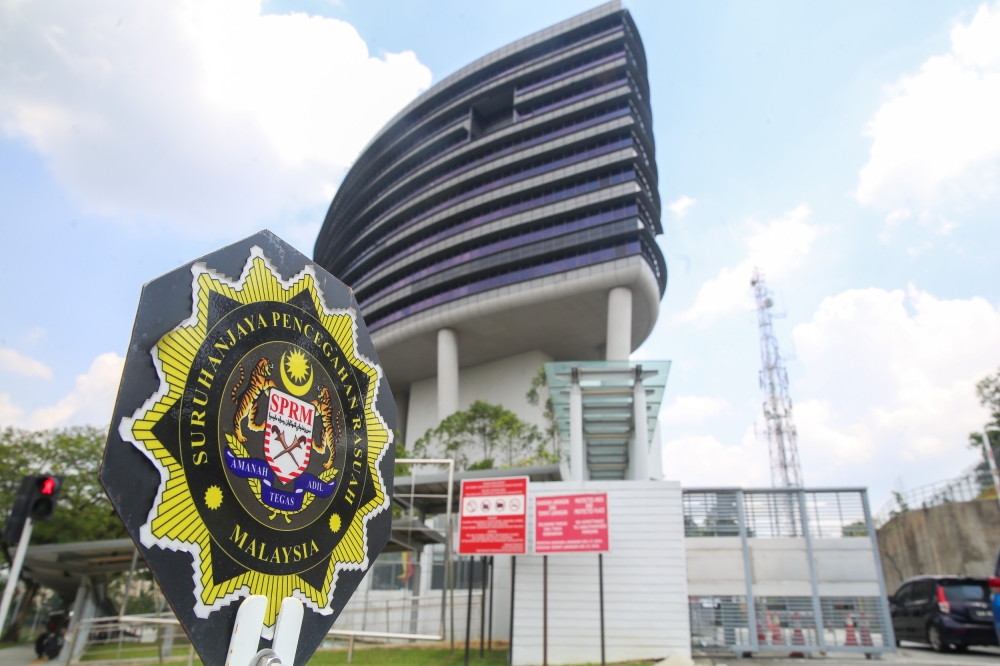
The Malaysian Anti-Corruption Commission has issued a direct call to the nation's top civil service officials to establish comprehensive safeguards for employees who report misconduct within their departments. The appeal represents a significant institutional effort to address gaps in whistleblower protection mechanisms across the federal government, reflecting growing recognition that such protections are essential to both combating corruption and elevating Malaysia's international standing on anti-corruption measures.
Whistleblower protection mechanisms serve as critical deterrents to corrupt practices by empowering employees to expose wrongdoing without fear of retaliation, termination, or professional ostracism. When these safeguards are weak or inadequately implemented, potential sources of vital intelligence about misconduct remain silent, allowing fraudulent activities to proliferate unchecked within government institutions. The MACC's intervention suggests that despite existing legal frameworks, implementation across different ministry structures remains inconsistent and insufficient to meet international benchmarks.
The timing of this directive aligns with Malaysia's broader strategic objective to improve its standing in the Corruption Perceptions Index, an influential annual ranking compiled by Transparency International that measures perceived levels of public sector corruption across nations. A country's CPI score significantly impacts its international reputation, investor confidence, and diplomatic relationships. For Malaysia, improving this metric requires not merely introducing policies but demonstrating tangible, measurable progress in institutional integrity across government agencies.
The MACC's emphasis on ministry secretaries-general, the highest-ranking civil service officials within each ministry, reflects the organizational understanding that systemic change requires leadership commitment at the apex of institutional hierarchies. Secretaries-general control resource allocation, set departmental culture, and establish operational priorities. Without their active endorsement and implementation of whistleblower protections, even well-intentioned directives remain theoretical rather than practical.
Whistleblower protections typically encompass multiple dimensions: confidentiality guarantees that shield the identity of those reporting misconduct, assurances against workplace retaliation including dismissal or demotion, dedicated reporting channels distinct from normal supervisory structures, and independent investigation mechanisms that prevent conflicts of interest when allegations involve senior officials. Malaysian government ministries currently exhibit variable adherence to these standards, with some departments maintaining robust internal mechanisms while others lack formalized procedures entirely.
The international context surrounding this initiative cannot be overlooked. Developed and middle-income nations seeking to attract foreign direct investment increasingly highlight their anti-corruption credentials as markers of institutional reliability and contractual enforcement capacity. Singapore and other regional competitors have invested heavily in building reputations for clean governance, presenting competitive disadvantages for Malaysia should corruption perception gaps persist. The MACC's push reflects pragmatic recognition that Malaysia must match these commitments to remain attractive to international investors who increasingly incorporate governance risk into investment decisions.
Implementing effective whistleblower protections demands more than issuing directives from the MACC. Ministries must establish clear reporting protocols, designate trained personnel to receive and process complaints confidentially, create investigation units insulated from political or administrative pressure, and establish oversight mechanisms to monitor whether promised protections are actually granted when employees come forward. Additionally, governments must actively communicate to their workforce that protections exist and function reliably, since many potential whistleblowers remain silent due to uncertainty about whether safeguards will actually be honored when conflicts involve powerful officials.
The psychological and organizational barriers to whistleblowing remain formidable even with formal protections in place. Employees fear social ostracism from colleagues, worry about career advancement complications, and question whether senior officials will genuinely accept criticism. Building a culture where reporting misconduct is normalized rather than stigmatized requires sustained leadership messaging, transparent handling of prior complaints, and visible consequences when retaliation occurs. The MACC's directive must therefore be accompanied by cultural change initiatives that extend beyond policy documents.
For Malaysia's Southeast Asian position, improving anti-corruption performance carries particular significance. The region hosts diverse governance standards, and nations that establish clear institutional advantages in transparency attract regional talent, multinational headquarters, and financial sector operations. Regional peer competition for these assets means that anti-corruption improvements generate tangible economic benefits beyond international reputation metrics.
The MACC's initiative also addresses internal government capacity issues. Corruption often thrives because employee witnesses either lack reporting mechanisms or fear reprisals when they use available channels. By strengthening protections, the MACC provides itself with expanded investigative capabilities, as whistleblowers represent some of the most reliable sources of corruption intelligence because they possess insider knowledge of departmental operations. Enhanced protections thus serve the MACC's core mission of identifying and prosecuting corruption, creating alignment between institutional integrity and anti-corruption agency objectives.
Successfully translating the MACC's directive into consistent practice will require monitoring and accountability mechanisms. The commission's next logical step involves establishing metrics to track whistleblower protection implementation across ministries, publishing comparative data that creates transparency and competitive incentives for improvement, and investigating allegations of retaliation to demonstrate that protections carry meaningful consequences when violated.
As Malaysia pursues its anti-corruption objectives and CPI improvements, the quality of whistleblower protections will increasingly serve as a litmus test of genuine institutional commitment. Emerging evidence from global governance research demonstrates that nations with strong, consistently-applied whistleblower safeguards experience measurable improvements in anti-corruption outcomes and international perception rankings. The MACC's call to action represents recognition that Malaysia's next step toward enhanced governance involves ensuring that the employees best positioned to expose misconduct actually come forward—and suffer no consequences for doing so.

