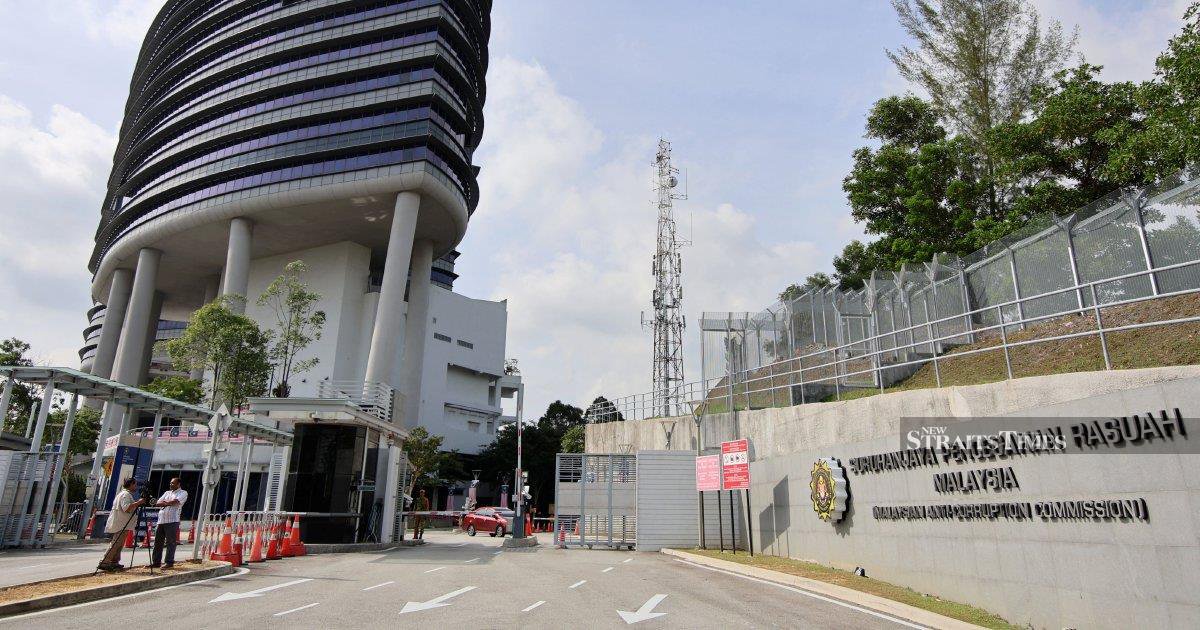
The Malaysian Anti-Corruption Commission has made a direct appeal to senior bureaucrats nationwide, urging them to treat whistleblower protection as a cornerstone of institutional reform. By engaging ministry secretaries-general and department directors-general, the MACC is signalling that safeguarding those who report misconduct must become embedded within government culture at the highest administrative levels, with tangible improvements expected by the end of this decade.
Whistleblower protection represents a fundamental pillar of any functioning anti-corruption regime. When citizens and public servants feel secure reporting wrongdoing without fear of retaliation, they become crucial sensors within the system, surfacing abuses that might otherwise remain hidden. The MACC recognises that Malaysia's international reputation for fighting corruption hinges not merely on enforcement actions, but on creating environments where disclosure is encouraged rather than suppressed.
The Corruption Perceptions Index, compiled annually by Transparency International, measures how the public and private sectors are viewed across 180 countries on a scale of zero to 100. Malaysia's position in this global ranking carries significant weight for investor confidence, foreign direct investment flows, and the nation's soft power standing in Southeast Asia and beyond. Improving the CPI score is thus not an abstract academic exercise but a practical imperative with economic consequences.
The strategic framing of whistleblower protection as a pathway to CPI advancement reflects sophisticated understanding of how international perceptions are formed. Transparency International's methodology incorporates assessments of governance frameworks, institutional independence, and societal trust. Robust whistleblower systems signal to international observers that Malaysia has genuine institutional mechanisms for accountability, rather than relying solely on centralised enforcement bodies. This distinction matters significantly in how independent analysts evaluate countries.
Currently, Malaysia operates under the Whistleblower Protection Act 2010, which provides certain legal safeguards for those reporting corruption, crime, or public safety violations. However, implementation gaps and enforcement inconsistencies have been documented. Many potential whistleblowers remain unaware of their protections, while others harbour justified concerns that formal mechanisms may prove inadequate or that reporting internally could trigger subtle forms of retaliation difficult to prove in law. The MACC's intervention suggests recognition that legislation alone is insufficient without organisational commitment and cultural change.
The involvement of secretaries-general and directors-general is particularly significant because these officials control resource allocation, personnel management, and the establishment of departmental policies. Their buy-in determines whether whistleblower programmes receive adequate funding, whether staff are trained on proper procedures, and whether institutional cultures shift from viewing disclosure as disloyalty to recognising it as a sign of healthy governance. Without leadership endorsement at this level, even well-designed policies languish as paper exercises.
For Malaysian organisations spanning finance, healthcare, public works, and defence—sectors historically prone to corruption risks—stronger whistleblower channels could trigger early detection of systemic abuses before they metastasise into major scandals. This preventative approach proves far more cost-effective than reactive investigations following public exposures. Regional peers like Singapore have demonstrated that sophisticated whistleblower frameworks, coupled with independent oversight agencies, contribute measurably to both actual corruption reduction and to credible perceptions of integrity.
The 2030 timeline mentioned by the MACC indicates this initiative aligns with Malaysia's broader governance roadmap. Achieving a measurable CPI improvement requires sustained institutional effort over several years, encompassing legislative refinement, administrative procedure overhaul, and cultural shifts within government agencies. The specific designation of 2030 as the target year allows for realistic implementation phases while maintaining urgency.
Southeast Asia presents a particularly competitive landscape for anti-corruption credibility. Nations like Vietnam and Thailand have also invested in whistleblower protections and anti-corruption messaging to position themselves as investment-friendly environments with transparent governance. Malaysia's moves must be genuine and demonstrable rather than performative to maintain credibility among international audiences and investor communities who increasingly factor ESG and governance metrics into decision-making.
Beyond international rankings, strengthened whistleblower protections serve Malaysian society directly. They empower citizens to challenge corruption affecting their communities, strengthen social contract between government and governed, and help redirect state resources toward intended beneficiaries rather than into illicit channels. When whistleblower systems function effectively, they complement and reinforce the MACC's investigative capabilities, creating a more resilient anti-corruption ecosystem.
The commission's communication strategy—directly addressing senior civil servants rather than announcing policies through media alone—suggests focus on implementation accountability. Ministry and department leaders now face explicit expectations to establish whistleblower protection frameworks, making inaction increasingly visible and defensible only with difficulty. This approach leverages bureaucratic transparency and inter-departmental comparison to drive behavioural change.
Implementing the MACC's recommendations will require practical steps: establishing confidential reporting channels, implementing non-retaliation policies with teeth, conducting regular audits of whistleblower cases to identify systemic issues, and providing legal support to those experiencing retaliation. Training programmes must educate managers about their obligations and help them distinguish between legitimate criticism and performance issues. Data transparency regarding whistleblower cases—published in anonymised form—would demonstrate institutional seriousness to both international observers and domestic stakeholders.
The pathway from robust whistleblower protection to improved CPI rankings is neither automatic nor immediate. However, the MACC's intervention signals that Malaysia's anti-corruption establishment recognises this connection and is determined to move beyond enforcement alone toward building institutional systems reflecting genuine commitment to transparency and accountability across government operations.

