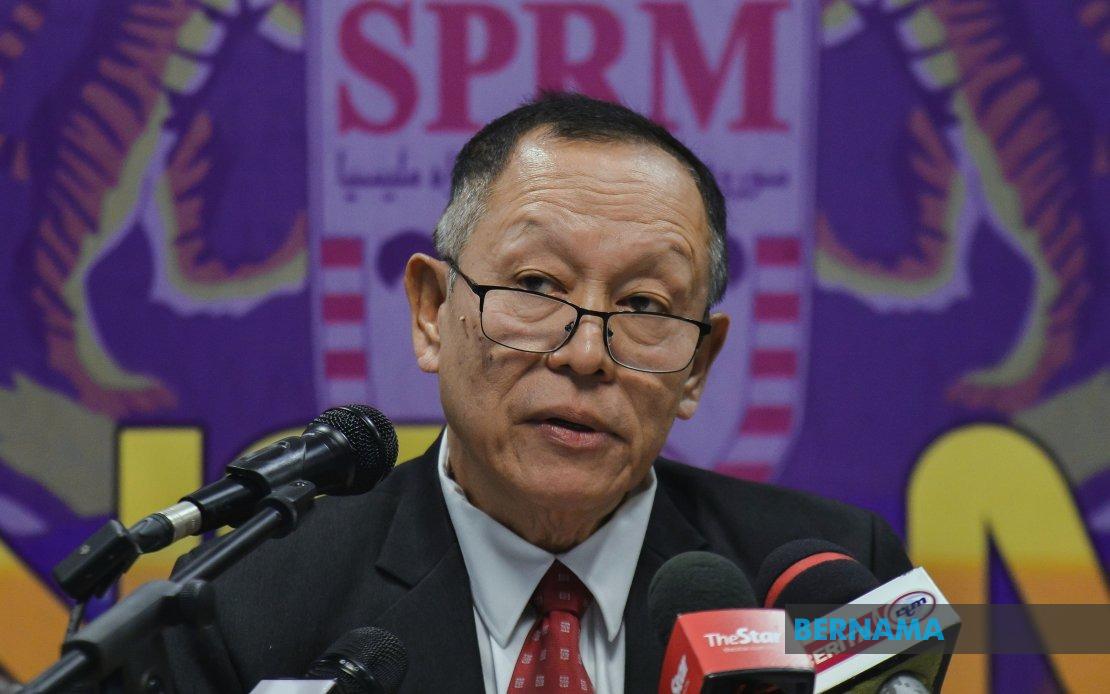
The Malaysian Anti-Corruption Commission has opened investigations into three separate corruption complaints connected to the 16th Johor state election, marking an early intervention in the electoral process as the state heads toward polls scheduled for July 11. Speaking at the MACC headquarters in Putrajaya, chief commissioner Datuk Seri Abd Halim Aman disclosed that among the three reports received, one specifically names a candidate as the subject of a graft allegation, signalling that anti-corruption enforcement has begun scrutinising electoral conduct even before voting day.
The commission's caseload reflects a mixed reporting pattern. Of the three complaints, one originated from the Election Campaign Enforcement Team in Batu Pahat, a designated watchdog unit tasked with monitoring electoral activities. The remaining two reports came directly from members of the public, suggesting that grassroots awareness of anti-corruption channels remains active during state elections. This combination of institutional and civilian reports indicates that oversight mechanisms are functioning across multiple layers, though the specificity of allegations varies by source.
Abd Halim's statement that one complaint explicitly involves a candidate underscores the MACC's willingness to investigate figures at all levels of the political hierarchy. His emphasis that "corruption is corruption" and that his office will act "regardless of the party, candidate, voter or supporter involved" reflects a posture of non-partisan enforcement. Yet the public naming of a candidate allegation, even without identifying the individual or party affiliation, signals that the commission intends to maintain pressure on electoral integrity from the outset of the campaign.
To operationalise this oversight, the MACC has established five dedicated election operations rooms stationed in Johor Bahru, Segamat, Kluang, Batu Pahat and Mersing. These hubs serve as accessible points for citizens to lodge complaints about abuse of power or graft during the election period. The geographic distribution across the state's major population centres reflects an effort to reduce barriers to reporting and to position the MACC as a visible presence throughout the campaign. By decentralising complaint intake, the commission aims to capture violations that might otherwise go unreported in less accessible areas.
The timing of these investigations carries implications for campaign dynamics in Johor. With approximately 2.7 million eligible voters poised to cast ballots for 56 state assembly representatives, the scope for electoral malpractice is substantial. Any credible allegation involving a candidate, particularly one now under formal investigation, risks damaging that individual's electoral prospects and potentially shifting voter sentiment across constituencies linked to their party. The MACC's public acknowledgement of active investigations may also serve as a deterrent to candidates and supporters tempted to engage in illegal election-related activities.
Abd Halim's remarks stressed that a clean electoral process transcends mere procedural compliance. He articulated the notion that electoral integrity directly reinforces public confidence in democratic institutions and the integrity of the political system itself. This framing positions anti-corruption enforcement as foundational to democratic legitimacy rather than a peripheral regulatory function. For Malaysian voters, particularly in Johor, the message is that institutional safeguards exist to maintain the credibility of the electoral outcome, a concern that resonates across a region where electoral integrity questions have periodically undermined political stability.
The MACC's invocation of legal compliance targeted all stakeholders in the electoral ecosystem. Candidates, political parties, their supporters and voters were all reminded to adhere to campaign regulations and polling day procedures. This broad-based messaging reflects recognition that electoral violations can originate from multiple points in the political process, from candidate conduct to voter coercion to the misuse of public resources. By addressing all parties, the commission reinforces that accountability extends throughout the electoral ecosystem, not merely to candidates or parties.
The investigation phase presents a critical juncture. All three complaints are currently under assessment and will proceed through normal investigative channels according to applicable legislation. The MACC has not yet disclosed the substance of the allegations beyond the fact that one involves a candidate. This measured disclosure respects investigative confidentiality while signalling to the public that complaints are being taken seriously. The completed investigation will determine whether charges are warranted before or after the election, a timing question with significant political ramifications.
For Southeast Asian observers, Johor's election and the MACC's concurrent enforcement activity illustrate the mechanisms through which Malaysia maintains electoral oversight. Unlike some regional competitors, Malaysia has established independent anti-corruption institutions with statutory authority to investigate election-related complaints. The existence of such institutional capacity, and its deployment during active campaigns, distinguishes Malaysia's approach within the region. However, the effectiveness of these institutions depends ultimately on prosecutorial follow-through and public perception of fairness, criteria that will be tested as investigations progress.
The broader implication for Johor voters is that their election occurs under active institutional scrutiny. The deployment of five state operations rooms and the public articulation of zero-tolerance policy toward electoral graft suggests that mechanisms exist to document, investigate and potentially prosecute violations. Whether these mechanisms translate into tangible deterrence effects or substantive prosecutions remains to be seen. For now, the MACC has positioned itself as an active participant in safeguarding the integrity of the July 11 election, setting expectations that electoral conduct will be monitored and that violations will face investigation regardless of political affiliation.

