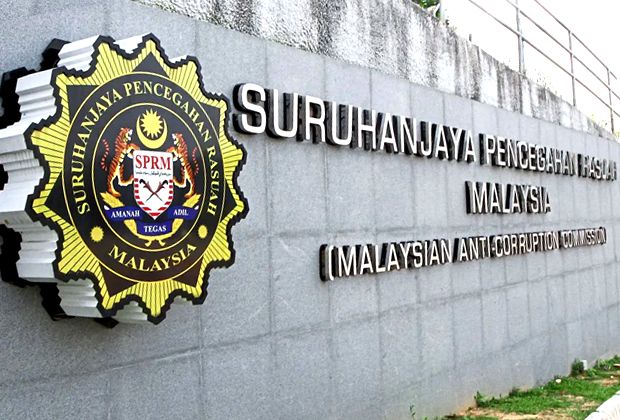
The Malaysian Anti-Corruption Commission has lifted all seizure orders previously imposed on the bank accounts of Rohas Tecnic, a major manufacturer of power transmission and telecommunications towers, and its subsidiary HGPT, marking an important milestone for the companies' operational recovery. The revocation orders, formally issued under the Anti-Money Laundering, Anti-Terrorism Financing and Proceeds of Unlawful Activities Act 2001 (AMLA), now apply to both corporate accounts and the personal bank accounts held by the company's current and former officers, the firm announced to Bursa Malaysia today.
The lifting of these restrictions represents a significant turning point for the industrial group after several months of financial constraints. With the seizure orders now completely rescinded, Rohas Tecnic confirmed that all previously frozen bank accounts have been released and the company can immediately resume unrestricted operation of its banking facilities and associated business activities. This development allows the transmission tower manufacturer to return to normal commercial operations without the impediments that the account restrictions had imposed on its cash flow and strategic initiatives.
The seizure orders had been initially imposed in mid-October when the MACC served freezing and seizure notices on Rohas Tecnic and two of its major subsidiaries—HGPT and Rohas-Euco Industries Bhd (REI)—pursuant to provisions within AMLA. These restrictions affected specific bank accounts held across the corporate structure, effectively constraining the companies' ability to access funds and conduct routine business operations during an investigation period that extended across several months.
The formal revocation process has now concluded across all entities within the group. Rohas-Euco Industries Bhd received its revocation order from the MACC on November 25, 2025, issued under Section 44A of AMLA. This was followed by revocation orders for both Rohas Tecnic and HGPT, which were formally issued by the Deputy Public Prosecutor on November 26, 2025, under Section 50(1) of AMLA. The sequential lifting of these orders indicates a methodical conclusion to the investigation process across the corporate group's various entities and their associated account structures.
For investors and stakeholders in the Malaysian industrial sector, the revocation of these orders carries implications for understanding how money-laundering and proceeds-of-crime legislation are applied in commercial investigations. The fact that the orders have been completely lifted suggests that the commission's initial concerns have been addressed or resolved, though the MACC did not provide public detail regarding the specific nature of the investigation or the circumstances that led to the initial freezing orders. The lack of public disclosure on investigation outcomes is typical of MACC's operational approach, particularly in cases where matters may not proceed to formal charges.
Rohas Tecnic operates within Malaysia's critical infrastructure sector, manufacturing power transmission towers and telecommunications infrastructure that are essential for the country's energy and communications networks. The temporary restriction on the company's banking operations could have had ripple effects across its supply chain and project delivery capabilities, particularly for ongoing contracts with major utilities and telecommunications operators. The removal of these constraints now allows the company to fulfil its contractual obligations and maintain its position as a key supplier within the infrastructure sector.
The timing of the revocation orders comes approximately four months after the initial freezing and seizure orders were announced, a timeline that reflects the various procedural stages involved in AMLA investigations. The involvement of the Deputy Public Prosecutor in issuing formal revocation orders indicates that the matter progressed through the legal framework's formal channels rather than being resolved at the investigative stage. This suggests that prosecutorial discretion was exercised in deciding that continued account restrictions were not warranted, though the specific grounds for this determination remain undisclosed.
For the company's officers and management team, the lifting of personal account seizures is equally significant. The restrictions on individual officers' accounts can create substantial personal hardship and complicate their financial planning and personal obligations. The revocation of these orders provides relief to those individuals who had been subject to the restrictions and allows them to resume normal management of their personal finances alongside their corporate responsibilities.
The revocation orders represent a resolution to a matter that had created operational and reputational uncertainty for Rohas Tecnic in the Malaysian business environment. In the context of Southeast Asia's broader efforts to combat financial crime and corruption, such investigation and revocation cycles are increasingly common as authorities apply sophisticated anti-money laundering frameworks. While the investigation process itself may have created temporary disruptions, the full revocation of orders suggests that the company and its officers have ultimately been cleared of any substantive concerns that would warrant continued restrictions or formal enforcement action.
Moving forward, Rohas Tecnic can reinvest its operational focus on its core business of manufacturing and supplying critical infrastructure components, without the administrative burden and financial constraints that the seizure orders had imposed. The company's ability to resume normal banking operations will facilitate its engagement with financial institutions, its management of working capital, and its execution of projects across Malaysia's energy and telecommunications sectors. For stakeholders and clients, the resolution provides assurance regarding the company's operational stability and financial health, factors that are critical for long-term business relationships and contract performance in the infrastructure industry.

