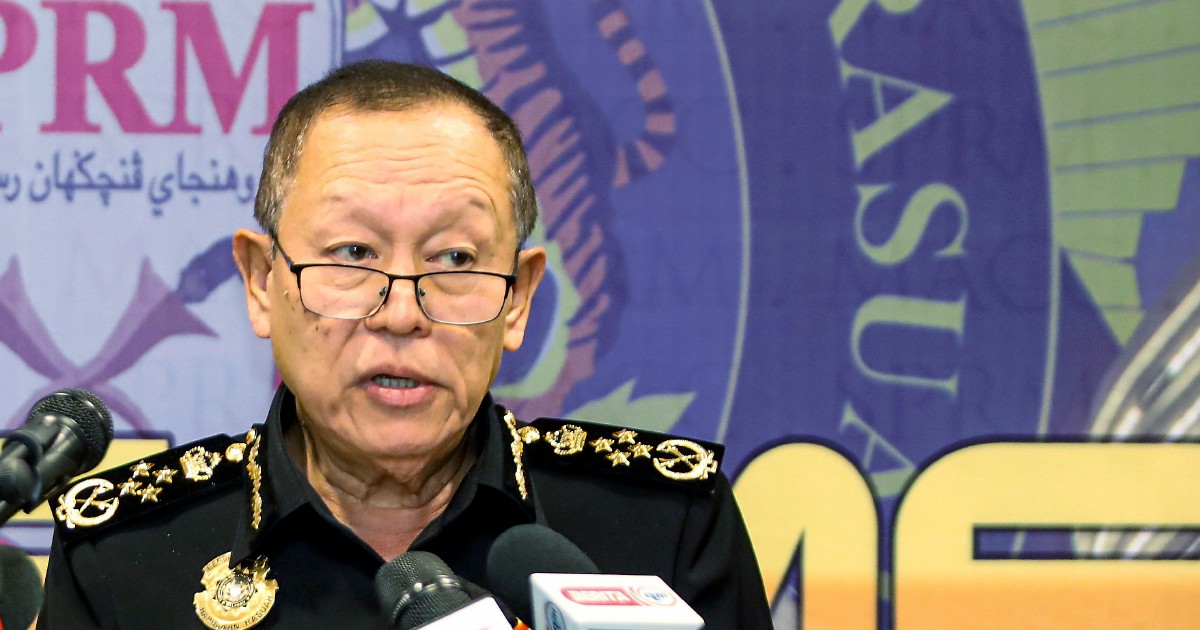
The Malaysian Anti-Corruption Commission (MACC) has initiated a formal investigation into suspected irregularities surrounding an RM80 million replanting initiative at Felda Palong 7, located within Wilayah Raja Alias in Negeri Sembilan, according to official confirmation from the anti-graft body. The commencement of this investigation paper marks another chapter in the escalating scrutiny directed at major development projects within Malaysia's federal land settlement schemes, which have come under increasing public and institutional attention over recent years.
Felda settlements have long been politically significant within Malaysia's socioeconomic framework, representing a key component of rural development policy spanning decades. Palong 7, situated in the heart of Negeri Sembilan's agricultural belt, hosts hundreds of settler families whose livelihoods depend directly on the productivity and sound management of these replanting programmes. The alleged discrepancies identified in this particular scheme thus carry implications extending beyond mere administrative concerns, touching on the tangible interests of farming families who have invested considerable effort into their holdings.
Replanting initiatives within Felda schemes are typically substantial undertakings designed to rejuvenate ageing palm oil plantations or transition land use patterns in response to market conditions or sustainability objectives. An allocation of RM80 million suggests a project of considerable scope, potentially involving hundreds of hectares of land and affecting the productive capacity of multiple family holdings. The nature of the alleged discrepancies has not been specified in official communications, though such investigations typically examine whether funds were appropriately expended, whether competitive procurement processes were followed, and whether project deliverables matched contracted specifications.
The activation of an investigation paper by the MACC represents an escalation from preliminary inquiry to formal investigative status, empowering the commission to exercise broader powers of examination and compulsion. This procedural step indicates that information gathered during initial assessment met the threshold warranting comprehensive investigation. The commission's willingness to pursue this matter demonstrates its continuing commitment to monitoring expenditure within federal entities, particularly those managing significant public resources allocated to rural development priorities.
Negeri Sembilan, as a state with substantial Felda presence, has experienced considerable development activity centred on these settlement schemes. The state government and federal authorities have repeatedly emphasized modernization and improved management practices within Felda operations, making this investigation potentially relevant to broader governance conversations within the state. Local political representatives and stakeholder groups have reason to monitor this inquiry closely, as its findings may influence future policy approaches toward settlement scheme projects.
The timing of this investigation occurs within a broader context of heightened public expectations regarding governance standards and transparency in public spending. Following high-profile corruption cases in previous years, institutional credibility depends substantially on demonstrating consistent application of investigative and enforcement mechanisms across all sectors. The MACC's activation of this investigation paper sends a clear signal that no institution or programme area is exempt from scrutiny when credible allegations of irregularity emerge.
Felda, as a federal statutory authority managing extensive land and resources, operates within a complex governance framework involving multiple stakeholder interests. Settlers depend on effective management for income security, while government bodies responsible for oversight require assurance that funds serve their intended purposes. Private contractors and suppliers involved in replanting projects operate within this framework seeking fair competition and appropriate contract terms. When alleged discrepancies surface, the investigative process must balance swift fact-finding against thoroughness in establishing culpability.
The investigation's progression will likely examine documentation related to project planning, tender processes, contractor selection, fund disbursement, and physical implementation. Investigators will interview relevant officials, project managers, and possibly settler representatives to understand how the RM80 million was allocated and utilized. This documentary examination combined with witness testimony should establish whether impropriety occurred or whether apparent discrepancies reflect legitimate variations in project execution.
For Malaysian readers monitoring governance and anti-corruption efforts, this investigation exemplifies how the MACC applies its mandate across institutions and programmes. The agriculture sector, encompassing Felda operations, manages resources critical to rural employment and export revenue. Ensuring proper stewardship of these resources through credible investigation and enforcement mechanisms contributes to both institutional integrity and sectoral confidence among farmers and investors alike.
The investigation's outcome, whenever it concludes, will carry implications for future Felda project management protocols and perhaps inform institutional reform discussions. Should the probe uncover substantive irregularities, it may prompt operational adjustments, revised procurement procedures, or enhanced oversight mechanisms. Conversely, if investigators determine that discrepancies reflect legitimate circumstances, the process itself validates existing safeguards and provides reassurance to stakeholders invested in settlement scheme prosperity.
As this investigation unfolds, attention will naturally focus on whether the RM80 million replanting initiative can resume its intended beneficial impact on settler livelihoods, or whether corrective measures become necessary. The broader significance extends to how public institutions manage large-scale rural development projects and maintain stakeholder confidence through transparent, accountable investigative processes when concerns arise. For Felda settlers and the wider Malaysian public, this investigation represents the anti-corruption institutional machinery operating as designed—responsive to allegations, systematic in examination, and committed to establishing facts that inform both accountability and future governance practice.

