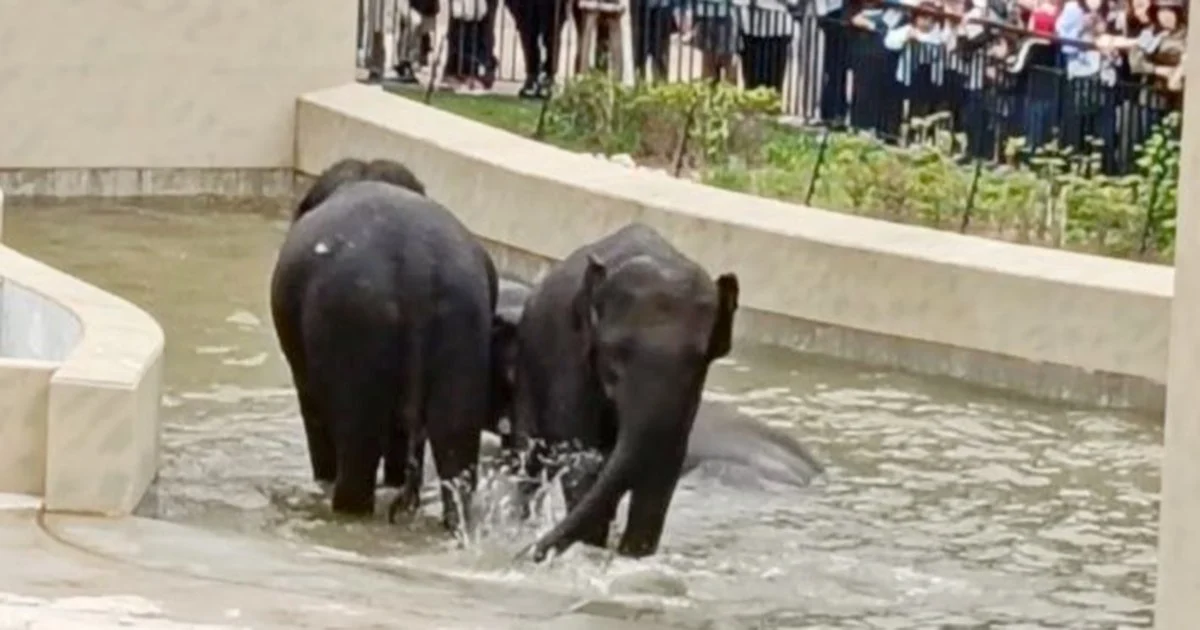
The Malaysian Anti-Corruption Commission has launched an investigation targeting the Taiping Municipal Council regarding the controversial relocation of three elephants to Tennoji Zoo in Japan, with the probe currently limited to scrutinising the documentary trail related to the transaction. This measured approach by the anti-corruption body reflects the need for transparency in high-profile decisions involving wildlife and public assets, particularly when such arrangements carry both financial and reputational implications for Malaysian institutions.
The focus on document examination suggests MACC is tracing the decision-making process that led to the elephant transfer, examining official correspondence, internal approvals, procurement procedures, and contractual agreements between the council and Japanese authorities. By concentrating initially on paperwork rather than broader investigative methods, MACC can establish the timeline and identify which officials were involved in approving this significant animal relocation.
The Taiping Municipal Council's decision to send the three elephants to Tennoji Zoo has drawn scrutiny, likely because such transfers raise questions about animal welfare, the adequacy of consultation processes, and whether proper channels were followed before committing public resources and responsibility for live animals. Wildlife movements across international borders typically require coordination with multiple agencies, including the Department of Wildlife and National Parks and various regulatory bodies, making the bureaucratic paper trail essential for determining compliance with existing protocols.
For Malaysian readers, this investigation underscores broader concerns about governance in local authorities. Municipal councils manage significant public assets and make decisions affecting their communities, yet transparency in their operations remains inconsistent across the country. The MACC's involvement signals that the matter warranted official scrutiny, suggesting there may have been procedural irregularities or insufficient justification for how this decision was reached and executed.
The elephant transfer itself carries symbolic weight in Malaysia, where these animals hold cultural significance and where wildlife conservation remains a national priority. The relocation to a foreign institution raises questions about whether domestic facilities could have accommodated the animals, whether the arrangement provides superior welfare outcomes, and whether proper environmental impact assessments preceded the decision. These considerations must be weighed against the documented reasons for the transfer.
Document review investigations are often the first phase of more comprehensive inquiries. By systematically examining records, MACC can identify discrepancies, evidence of bidding irregularities, conflicts of interest, or departures from standard procedures that would justify escalating the investigation to include witness interviews and other investigative techniques. The council's cooperation in providing complete documentation will be crucial in determining whether the matter concludes with the current phase or progresses further.
The Taiping Municipal Council's handling of this matter will likely have ripple effects across other local authorities in Malaysia. If irregularities are found, it could prompt enhanced oversight of similar decisions by other councils regarding asset disposition and external arrangements. Conversely, if the investigation clears the council of wrongdoing, it would provide assurance that proper procedures were followed despite the unconventional nature of transferring animals to an international destination.
Context matters significantly here. Tennoji Zoo is a legitimate zoological institution in Osaka with established standards for animal care. The transfer may have been motivated by legitimate conservation or welfare considerations, such as breeding programmes, medical expertise available in Japan, or collaborative research opportunities. However, legitimacy of purpose does not necessarily obviate the need for adherence to governance standards, competitive procurement, and proper approvals from relevant wildlife authorities in Malaysia.
The investigation also touches on Malaysia's commitments under international wildlife agreements and bilateral relationships. Japan and Malaysia maintain cooperative ties, and the elephant transfer may reflect sanctioned collaboration in wildlife management. MACC's examination will likely confirm whether appropriate international protocols were observed and whether Malaysian wildlife authorities provided formal endorsement before the animals departed.
For stakeholders including animal welfare advocates, conservationists, and the general public, this investigation represents an opportunity for clarity. Many individuals harbour legitimate questions about whether the elephants' relocation served their interests or primarily addressed space or cost constraints facing the Taiping Municipal Council. A thorough document review should answer whether decision-makers prioritised animal welfare or other institutional considerations.
The Malaysian Anti-Corruption Commission's investigative approach reflects the complexity of evaluating decisions that involve both technical subject matter expertise and administrative governance. By beginning with documentary analysis, the commission can establish factual foundations before potentially conducting interviews or forensic analysis. This methodical approach, while sometimes proceeding slowly, ultimately produces more defensible conclusions.
As this investigation unfolds, it serves as a reminder that Malaysian institutions, regardless of their size or focus, operate within frameworks of accountability and oversight. The involvement of MACC in scrutinising the Taiping Municipal Council's elephant transfer demonstrates that no decision—however unusual or involving animals rather than conventional public funds—escapes examination when procedures or transparency appear questionable. The outcome will influence how local authorities approach similar decisions going forward.

