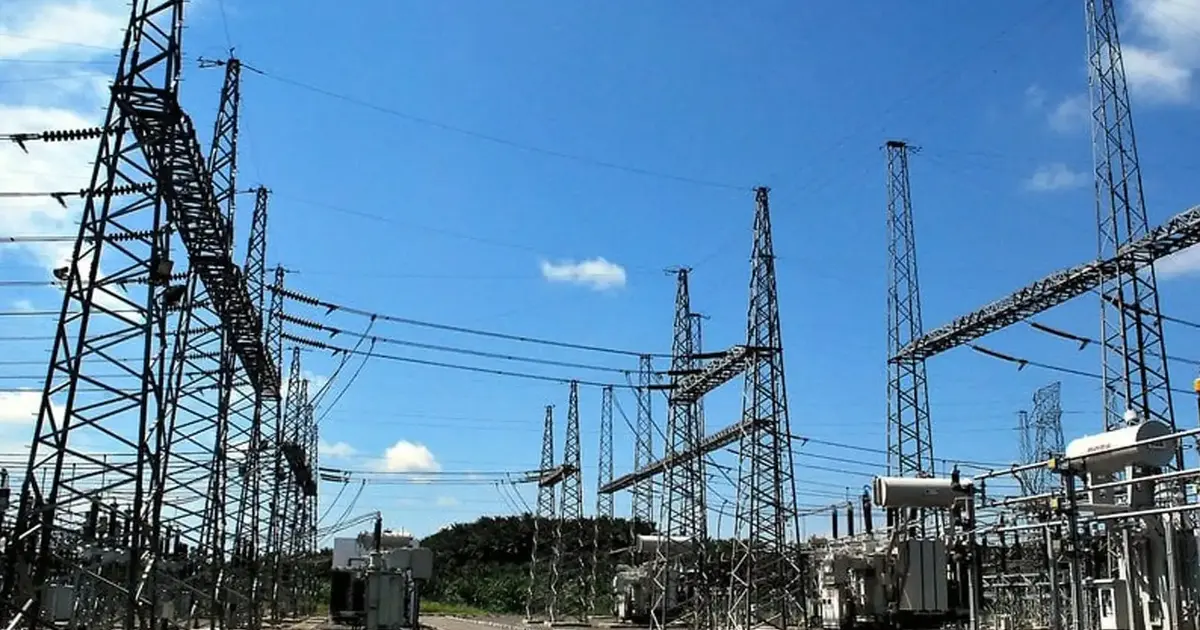
The Malaysian Anti-Corruption Commission has formally concluded its investigation into HG Power Transmission, clearing the way for the company to resume normal operations. Rohas Safdar disclosed the development through a regulatory filing to Bursa Malaysia, announcing that authorities have determined no further action is warranted in the matter. The company also confirmed that previously issued seizure orders have been revoked, signalling a significant turning point in a protracted corporate and regulatory dispute that had cast uncertainty over its business activities.
The investigation's closure represents a critical milestone for HG Power Transmission, which had faced operational constraints and reputational challenges during the inquiry period. The company's announcement to the stock exchange formalises what constitutes a clean exit from regulatory scrutiny, with the MACC's determination effectively vindicating the organisation's position throughout the probe. For shareholders and stakeholders, the lifting of restrictions on company assets removes a material impediment to business normalisation and strategic planning.
The timing of the investigation's conclusion carries particular significance within Malaysia's broader governance landscape. The MACC's investigation framework typically reflects serious concerns that warrant sustained institutional attention, making the ultimate determination of no further action a noteworthy outcome. This type of resolution underscores the importance of Malaysia's anti-corruption apparatus functioning with precision, as misplaced investigations can create substantial economic and reputational damage to legitimate enterprises while simultaneously diverting regulatory resources from genuine compliance violations.
For the power transmission sector specifically, this development provides reassurance to market participants regarding the regulatory environment. HG Power Transmission operates within a critical infrastructure industry where investor confidence and operational continuity directly influence service reliability. The clearance removes lingering uncertainty that could have complicated the company's ability to secure financing, pursue contracts, or attract institutional investors concerned about ongoing regulatory exposure.
The revocation of seizure orders holds practical significance beyond symbolic vindication. Frozen assets can impede a company's working capital management, restrict dividend distributions, and limit strategic flexibility in capital allocation. By restoring full access to company resources without constraints, HG Power Transmission can now pursue deferred expansion plans, service debt obligations more flexibly, and respond to market opportunities that may have been inadvisable during the investigation period when asset disposition carried additional complexity.
The investigation's conclusion also reflects procedural integrity within Malaysia's anti-corruption framework. The MACC's willingness to close investigations when evidence fails to substantiate suspected violations demonstrates institutional discipline and prevents the weaponisation of regulatory authority for competitive or political advantage. This approach strengthens confidence in Malaysia's regulatory institutions among both domestic and foreign investors who require predictable, evidence-based enforcement rather than extended inquiries based on preliminary allegations.
Within the Southeast Asian context, Malaysia's handling of corporate investigations carries regional implications. Neighbouring investors and businesses evaluate jurisdictions partly on the efficiency and fairness of regulatory processes. A case where legitimate investigation yields to clear exoneration reinforces Malaysia's commitment to evidence-based governance rather than protracted regulatory harassment. This distinction matters considerably for multinational corporations deciding where to establish regional operations or invest capital.
The power transmission and infrastructure sectors remain central to Malaysia's broader economic development agenda, particularly as the country pursues renewable energy integration and grid modernisation. Companies like HG Power Transmission serve essential functions in the national energy infrastructure, and regulatory clarity regarding their operational status supports confidence in Malaysia's ability to deliver reliable, professionally managed utility services. Uncertainties around key infrastructure providers can indirectly influence investor sentiment across multiple sectors.
The company's disclosure through Bursa Malaysia follows standard corporate governance protocols requiring listed entities to inform shareholders of material developments affecting operations or financial condition. The clarity provided by the MACC's formal conclusion allows HG Power Transmission management to communicate with confidence to stakeholders regarding the company's regulatory standing and future strategic direction. This transparency supports more accurate valuation of company equity and more informed decision-making by market participants.
Looking forward, the closure of this investigation provides HG Power Transmission with opportunity to rebuild operational momentum and market positioning. The company can now focus management attention and financial resources on core business objectives rather than navigation of regulatory constraints. For the Malaysian corporate sector more broadly, the resolution demonstrates that thorough investigation followed by principled conclusions—even when those conclusions favour the investigated party—ultimately serves the integrity of both individual businesses and the wider market ecosystem.

