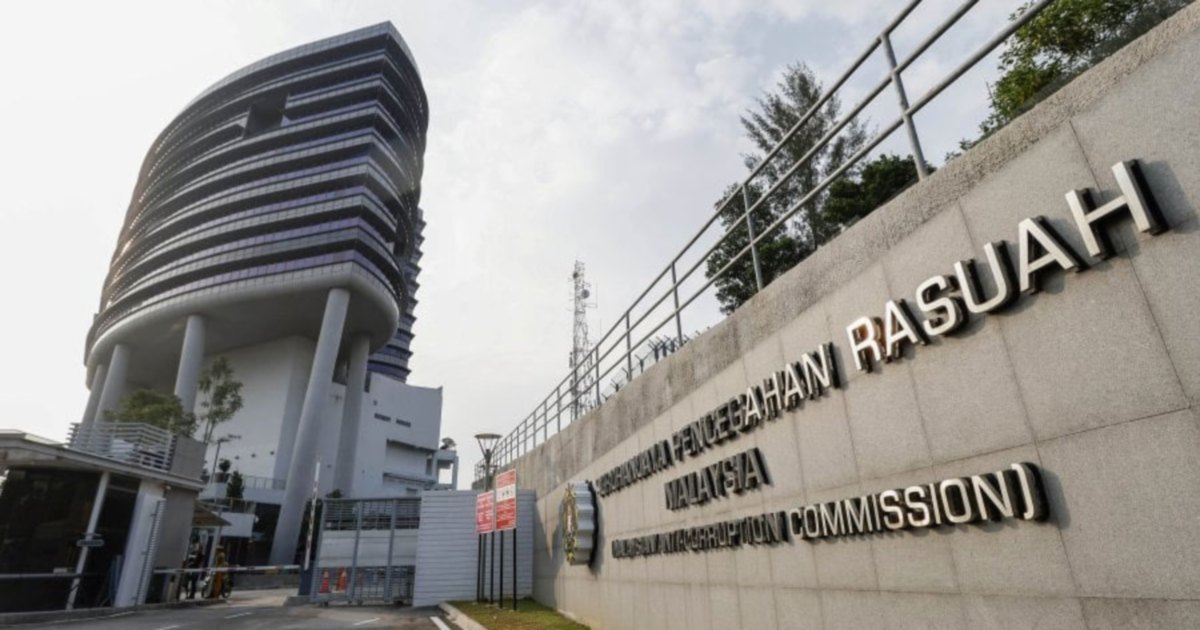
The Malaysian Anti-Corruption Commission has initiated a formal probe into substantial losses incurred by the Retirement Fund Inc following the fund's investment in eFishery, an Indonesian aquaculture technology enterprise. MACC officials visited KWAP's headquarters in Kuala Lumpur during the early part of this week as part of their ongoing investigation into how the fund lost approximately RM200 million through its involvement with the Indonesian company.
The investigation marks an important moment for Malaysia's retirement savings sector, which manages billions of ringgit in contributions from public sector workers. KWAP, which administers pension benefits for civil servants and other government-linked employees, represents one of the country's most significant institutional investors. The scale of the reported loss has raised questions about investment governance, due diligence procedures, and oversight mechanisms within the fund's management structure.
eFishery positions itself as a technology-driven solution for aquaculture farming, operating across Southeast Asia's rapidly expanding seafood production industry. The Indonesian company's business model centres on providing digital platforms and services to fish farmers, particularly those engaged in shrimp and fish cultivation. The aquaculture sector has attracted considerable investment attention across the region as global demand for seafood continues to rise, but the industry remains vulnerable to operational challenges, regulatory changes, and market volatility.
KWAP's decision to invest in eFishery appears to have been aligned with broader trends among institutional investors seeking exposure to high-growth technology and agricultural sectors in Southeast Asia. However, the alleged RM200 million loss suggests that either the company's operational performance deteriorated significantly after the investment was made, or that initial assessments of the investment's viability proved substantially inaccurate. Such large losses at a major pension fund naturally attract regulatory scrutiny and demand public explanation of how such outcomes were permitted to occur.
The involvement of MACC in the investigation indicates that authorities are examining whether any element of corruption, breach of fiduciary duty, or improper conduct may have contributed to the fund's losses. Anti-corruption investigations into financial matters typically focus on whether decision-makers acted in the legitimate interests of fund members, whether proper approval processes were followed, and whether any individuals involved in the investment decision stood to benefit improperly from the transaction. The scope of MACC's inquiry will likely extend to communications, approvals, and due diligence documentation related to the investment.
For Malaysian pension fund members, news of the investigation carries particular significance. KWAP contributors are typically unaware of specific investments made on their behalf, yet their retirement savings are directly affected by the fund's overall performance. A RM200 million loss reduces the pool of assets available to support future pension payments and benefit distributions. Fund members who retire in coming years may face reduced benefits, or the fund may need to adjust contribution rates to compensate for losses, placing additional burden on current government employees.
The investigation also has implications for how Malaysian institutional investors approach cross-border investments in emerging technology sectors. While growth opportunities in Southeast Asian fintech, agritech, and similar domains are genuine, the eFishery case illustrates the risks involved when investors deploy capital in relatively young companies operating in nascent markets. Domestic regulators and auditors now face renewed pressure to ensure that pension funds and other fiduciaries conduct thorough due diligence before committing member assets to such ventures, particularly when investments are denominated in foreign currencies and subject to foreign regulatory environments.
Indonesia's regulatory framework for technology companies and agricultural enterprises differs from Malaysia's, which may have complicated KWAP's ability to monitor and assess the investment over time. Exchange rate fluctuations between the ringgit and rupiah would also have affected the fund's returns, independent of eFishery's operational performance. These complexities underscore why institutional investors must engage experienced advisors and maintain robust monitoring systems when deploying capital across borders in the region.
The MACC investigation's progress will be closely watched by other Malaysian pension funds, insurance companies, and asset managers who have similarly ventured into regional technology investments. A thorough investigation that clearly identifies either systemic governance failures or deliberate misconduct could prompt broader reforms across Malaysia's institutional investment sector. Conversely, if investigators conclude the loss resulted primarily from legitimate but unsuccessful investment decisions in a volatile sector, the findings may reinforce arguments for stronger risk management protocols rather than enforcement action.
Pending the investigation's outcome, KWAP will face questions about its investment strategy going forward. The fund manages retirement security for a substantial portion of Malaysia's public sector workforce, making its stewardship a matter of considerable public interest. Restoring confidence in the fund's governance and investment decision-making processes will require transparency about what occurred, clear communication with fund members about the investigation's findings, and concrete measures to strengthen oversight of future investment commitments, particularly those involving emerging markets and nascent technologies.

