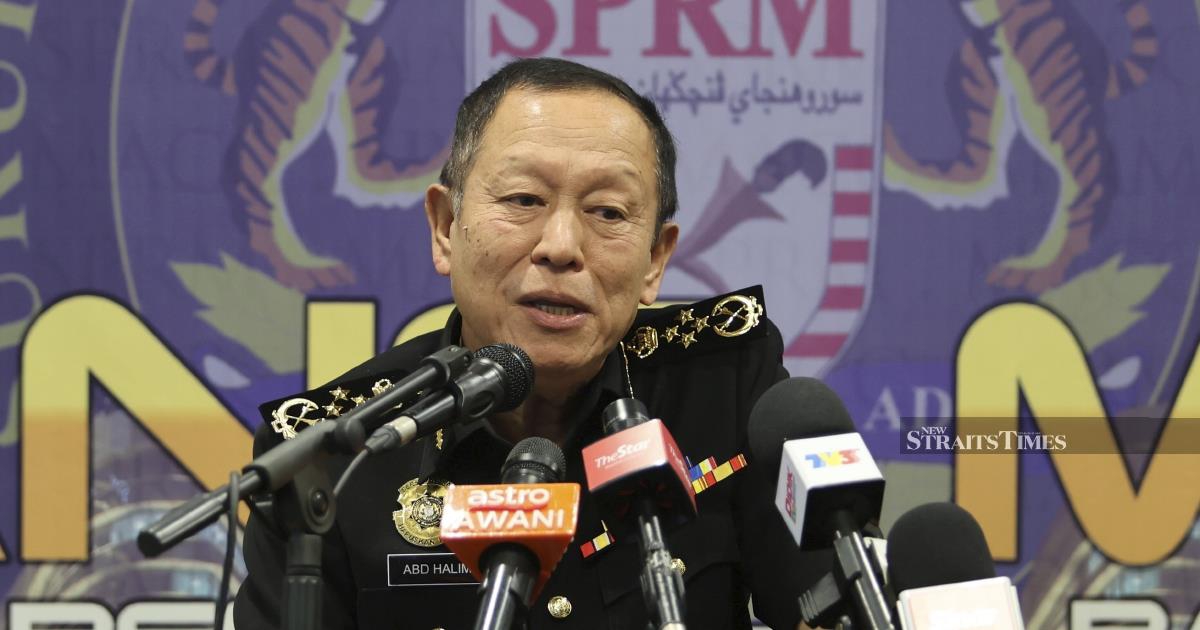
The Malaysian Anti-Corruption Commission (MACC) has expanded its investigative net into KWAP's controversial RM200 million investment in eFishery, an Indonesian aquaculture technology company, by conducting formal interviews with 10 witnesses drawn from the retirement fund's upper echelons and the Finance Ministry. This development marks a significant phase in the MACC's scrutiny of what has emerged as one of Malaysia's most scrutinised sovereign wealth fund decisions in recent years.
KWAP, formally known as the Retirement Fund (Incorporated), sits at the intersection of Malaysia's pension system and investment strategy, managing retirement assets for the nation's civil service. The fund's decision to commit RM200 million to eFishery has drawn considerable public and official attention, particularly given the aquaculture sector's volatility and the technology company's relatively nascent track record. The investment represents a substantial commitment of retirees' capital to a single emerging venture, raising questions about due diligence protocols and governance frameworks that should underpin such decisions.
The witness pool assembled by MACC encompasses both KWAP's senior management and officials from the Finance Ministry, suggesting the investigation is tracing decision-making chains across multiple institutional layers. This approach reflects standard anti-corruption methodology: establishing who knew what, when they knew it, and what influenced their judgment. By interviewing leadership from both the fund itself and its ministry overseer, investigators can map whether proper channels of approval were followed and whether adequate safeguards were applied to what constitutes a material investment for a retirement institution.
The eFishery investment must be understood within Malaysia's broader shift towards technology-enabled agriculture and sustainable resource management. Aquaculture represents a potential growth area for the region, and Indonesian companies like eFishery position themselves as innovation leaders in food production efficiency. However, Malaysia's pension funds carry fiduciary responsibilities that extend beyond venture capital ambitions—they must prioritise capital preservation and reasonable returns for millions of civil servants depending on their retirement security.
For Malaysian observers, this investigation touches on deeper concerns about institutional accountability and whether sufficient safeguards exist when large sums of public money venture into emerging markets and novel business models. The MACC's methodical approach—gathering multiple witness statements rather than rushing to conclusions—suggests investigators are building a comprehensive understanding of the investment's genesis, approval process, and subsequent performance monitoring. Each witness statement adds texture to questions about whether standard investment protocols were observed or shortcuts were taken.
The involvement of Finance Ministry officials in MACC's interviews indicates that oversight questions extend beyond KWAP's internal decision-making. Malaysia's statutory fund management operates within frameworks established by the Finance Ministry, and any investment of this magnitude typically requires ministry cognisance, if not explicit approval. If ministry officials were interviewed, investigators likely sought to understand what approval mechanisms existed, whether they were properly engaged, and what risks were flagged or overlooked during assessment phases.
From a Southeast Asian investment perspective, this probe carries implications for how the region's pension funds and sovereign wealth vehicles approach foreign investments, particularly in technology-driven sectors where valuation and risk assessment prove more opaque than traditional infrastructure or resource plays. Malaysian funds' investment decisions influence capital flows across the region, and any demonstration of inadequate governance standards could constrain future investments or trigger more onerous oversight procedures from pension regulators and stakeholders.
The timing of MACC's formal statements phase suggests investigators have moved beyond preliminary information gathering into substantive interrogation of decision-makers. The formal recording of witness statements—rather than informal preliminary enquiries—indicates the commission likely possesses sufficient evidence or allegations to warrant binding testimony that could support potential charges if wrongdoing is substantiated. This escalation implies the investigation has identified specific aspects worthy of deeper scrutiny.
For KWAP beneficiaries—Malaysia's hundreds of thousands of civil servants—this investigation directly affects their retirement savings. The outcome will influence whether the RM200 million investment is recovered, partially lost, or written off entirely. Beyond the immediate financial impact, the investigation's findings will shape how the fund approaches future investments and what governance structures are implemented to prevent similar controversies. Transparency in the outcome becomes crucial for restoring confidence in the fund's stewardship of retirement capital.
The MACC's systematic approach also reflects international standards for investigating sovereign wealth fund decisions. Peer investigations by anti-corruption bodies elsewhere have established frameworks for evaluating whether officials exercised due diligence, whether conflicts of interest existed, and whether decision-making followed established protocols. Malaysian authorities appear to be applying similarly rigorous standards, building an evidence base that could withstand scrutiny if formal charges are eventually preferred against any individual or entity.
Looking forward, this investigation will likely yield recommendations for enhanced investment governance frameworks, clearer approval pathways for material commitments, and potentially revised oversight mechanisms linking KWAP more directly to Finance Ministry investment committees. The probe represents an opportunity for Malaysian institutions to strengthen protocols ensuring that retirement funds deploy assets with appropriate caution and accountability.

