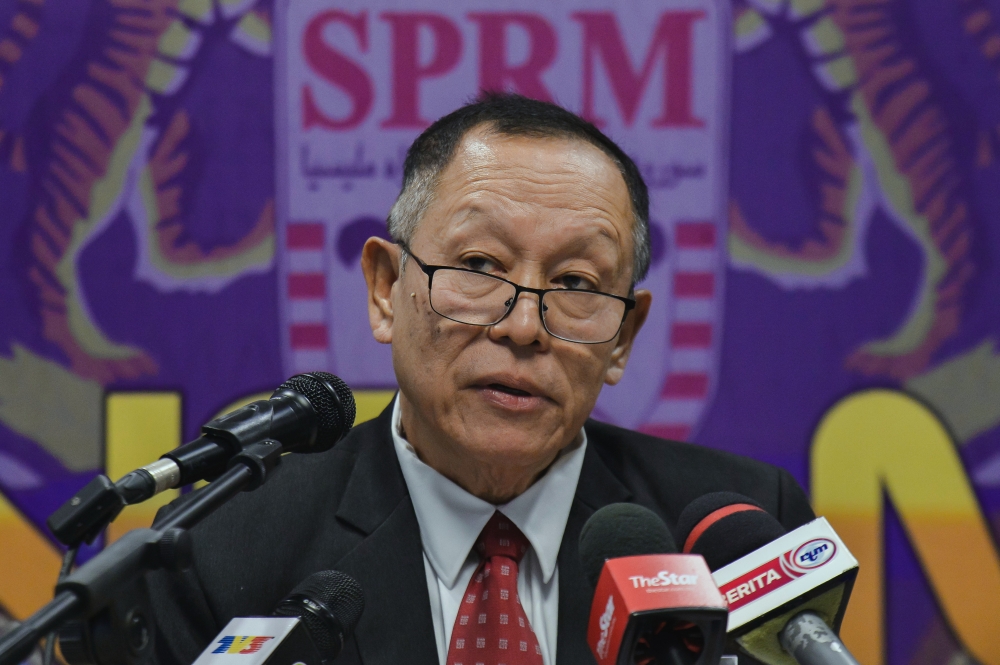
The Malaysian Anti-Corruption Commission is exploring the prospect of engaging foreign forensic specialists to help unravel the increasingly complicated investigation into Tabung Haji, the pilgrimage savings scheme, signalling that the domestic inquiry may have reached a complexity threshold requiring external expertise. The decision comes after the agency has already called in 115 witnesses and detained seven suspects in connection with the matter, indicating a sprawling investigation with multiple layers that investigators believe demand specialised technical analysis beyond what local resources can currently provide.
This development underscores a significant escalation in scope and sophistication of the Tabung Haji probe. The sheer volume of witness statements—115 individuals—suggests investigators are pursuing a multifaceted scheme involving numerous parties across different institutional levels. The simultaneous detention of seven suspects indicates authorities believe they have identified key figures in whatever irregularities or misconduct they are investigating, yet the need for foreign forensic help suggests the evidence trails are technical in nature, possibly involving complex financial transactions, digital records, or accounting manipulations that require specialists with particular expertise.
Tabung Haji's significance to Malaysia cannot be overstated. The fund manages savings for approximately 9 million Malaysian Muslims preparing for the Islamic pilgrimage, making it one of the country's most important financial institutions. Any mismanagement or corruption within its structures would affect millions of ordinary Malaysians and their religious obligations. The scale of assets under management means that even relatively small percentage losses could amount to substantial sums, explaining why the MACC is deploying comprehensive investigative resources.
The consideration of international forensic assistance reflects a pragmatic recognition within Malaysia's anti-corruption apparatus that certain investigations require capabilities that may not be immediately available domestically. Forensic experts specialising in financial crime, digital forensics, or other technical fields represent a global speciality market. Countries often engage external help when investigating high-stakes cases involving sophisticated concealment mechanisms, particularly when institutional reputations are at stake and public confidence demands thorough, defensible conclusions.
For regional observers, this case illuminates broader challenges facing Southeast Asian anti-corruption bodies. As financial systems grow more complex and cross-border transactions become routine, investigating white-collar crime requires technical sophistication. Malaysia's decision to consider foreign expertise demonstrates a mature institutional approach—willingness to acknowledge limitations and seek appropriate help rather than persisting with inadequate domestic capabilities. This sets a potentially instructive example for neighbouring jurisdictions navigating similar dilemmas.
The involvement of seven detained suspects raises questions about hierarchical culpability. Investigators may be distinguishing between masterminds and lower-level participants, or between individuals in different roles within the alleged scheme. The MACC's next moves regarding charging decisions will clarify whether all seven face similar accusations or whether some are implicated in narrower roles. Public information about their identities and positions within Tabung Haji would help explain the investigation's focus, though jurisdictional considerations around active prosecutions may restrict immediate disclosure.
The 115 witnesses represent an unusually large canvas for investigative questioning. In fraud cases, this typically indicates authorities are mapping financial flows, institutional decision-making processes, and awareness levels among staff members. Witness statements help establish timelines, identify who approved irregular transactions, and determine whether problematic activities were isolated incidents or systematic practice. The scale suggests investigators are building a comprehensive institutional narrative rather than pursuing isolated criminal acts.
From a broader governance perspective, the Tabung Haji investigation raises important questions about institutional oversight and accountability mechanisms within Malaysian public institutions. The pilgrimage fund operates at the intersection of religious affairs and finance, potentially creating governance complexities. Whether investigative findings ultimately point to individual misconduct or systemic weaknesses in institutional controls will carry implications for how Malaysia structures oversight of large funds entrusted with public assets.
The timing and scope of this investigation also carry political dimensions. Public trust in major institutions managing citizen assets depends partly on demonstrated capacity to investigate credibly when problems emerge. The MACC's comprehensive approach—bringing in 115 witnesses, detaining multiple suspects, and now considering foreign expertise—signals institutional determination to pursue leads thoroughly. However, investigation duration and eventual outcomes will ultimately determine whether public confidence is restored or further eroded.
International forensic engagement typically involves formal agreements governing information sharing, evidence handling, and report generation, ensuring findings meet standards acceptable both domestically and internationally. Such arrangements often enhance the credibility and defensibility of final conclusions, particularly when eventual prosecutions may be scrutinised by Malaysian courts and public opinion. The foreign experts would complement rather than replace domestic investigators, providing technical analysis on evidence collected locally.
The decision to consider external help also reflects resource constraints within the MACC itself. Malaysia's anti-corruption commission operates with defined staffing and budget allocations. Highly specialised forensic investigations competing with other priority cases means that accessing external expertise allows the agency to maintain investigative momentum without depleting resources needed elsewhere. This pragmatic resource management is increasingly common among anti-corruption bodies globally.
Looking forward, key questions surrounding the Tabung Haji investigation include timeline expectations for preliminary findings, whether foreign forensic engagement will extend to potential court proceedings, and what systemic reforms might follow from investigative conclusions. The case will likely test Malaysia's judicial system's capacity to handle complex financial crime prosecutions, with implications for how effectively such cases can be prosecuted domestically—important context for evaluating whether foreign expertise engagement becomes routine necessity or exceptional measure.

