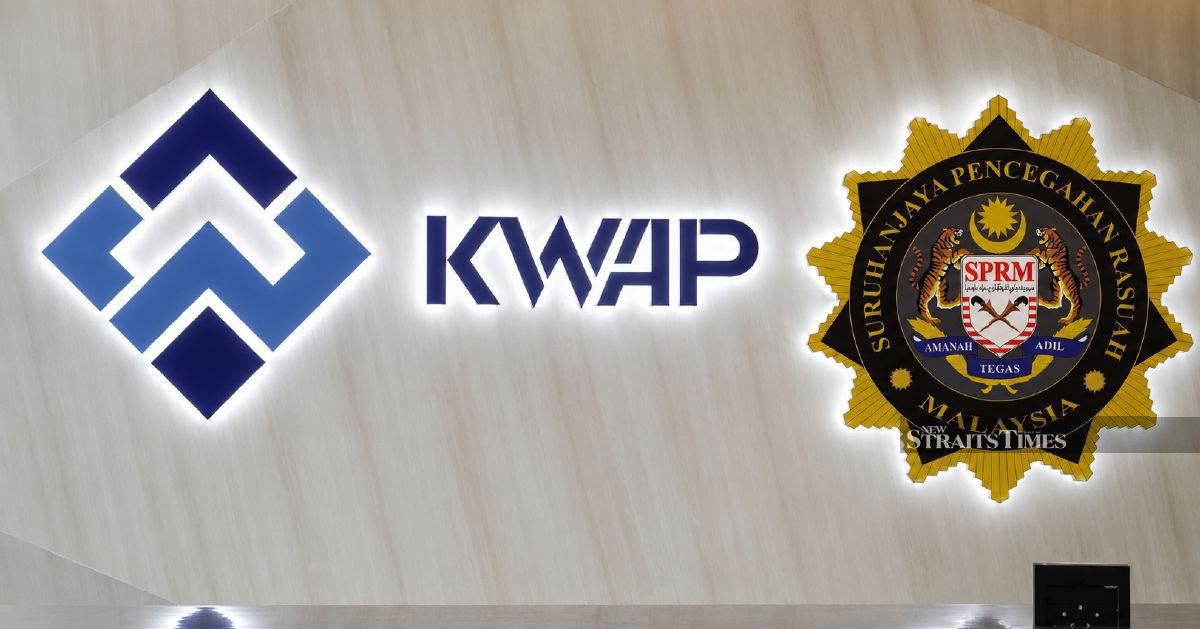
The Malaysian Anti-Corruption Commission is poised to release significant updates regarding its ongoing investigation into Kumpulan Wang Simpanan Pekerja's substantial investment in eFishery, an Indonesian aquaculture technology enterprise, with an announcement expected within the coming days. The pension management authority's RM200 million commitment to the aquaculture venture has drawn considerable scrutiny from anti-corruption authorities, and the forthcoming disclosure could provide clarity on the trajectory and scope of the inquiry.
The KWAP investment in eFishery represents one of the largest institutional allocations by Malaysia's primary pension fund into a Southeast Asian technology enterprise in recent years. The scale of the commitment prompted immediate questions about due diligence procedures, investment governance frameworks, and the rationale behind deploying such a substantial portion of employee retirement savings into a nascent foreign technology operation. These concerns subsequently escalated into formal investigation channels, culminating in MACC's engagement with the matter.
Investor confidence in Malaysia's institutional investment oversight has become increasingly sensitive following several high-profile cases involving mismanagement of public and quasi-public funds. The KWAP situation carries particular weight given that KWAP manages retirement savings for millions of Malaysian workers, making the integrity of its investment decisions a matter affecting the financial security of the nation's workforce. Any findings of impropriety could have implications extending beyond the immediate transaction to broader governance practices within the fund.
The aquaculture sector itself represents an emerging investment frontier across Southeast Asia, with numerous institutional players seeking exposure to agricultural technology innovations. eFishery's business model—focused on digital solutions and technology applications in fish farming—aligns with regional trends toward modernising traditional agricultural practices through digital transformation. However, investment in early-stage technology ventures inherently carries elevated risk profiles, raising questions about whether such exposure is appropriate for pension fund portfolios that prioritise capital preservation for beneficiaries.
Antecedent investigations by Malaysian authorities into corporate and institutional misconduct have established precedent for comprehensive scrutiny of large-value transactions involving potentially questionable decision-making processes. The MACC's involvement signals institutional concerns warranting formal investigation, though the precise nature of alleged irregularities remains undisclosed pending the commission's announcement. The investigation likely encompasses examination of approval processes, beneficiary relationships, market valuations, and comparative assessment of alternative investments foregone in favour of the eFishery commitment.
The timing of the expected announcement comes amid broader Malaysian discourse about institutional accountability and stewardship of public resources. Public pension funds occupy a unique position within the financial ecosystem, managing collective savings while simultaneously seeking returns that sustain long-term obligations. This dual mandate creates inherent tensions when pursuing returns through higher-risk investments, particularly when such positions are concentrated rather than diversified across multiple opportunities.
Indonesia's technology sector has attracted increasing Malaysian institutional interest as both nations pursue digital economy objectives. Cross-border investment within Southeast Asia generally benefits from regional trade frameworks and market integration initiatives. However, the governance standards governing such investments, transparency requirements, and protection mechanisms for investor interests can vary significantly between jurisdictions, potentially complicating due diligence processes for Malaysian institutional investors unfamiliar with local regulatory environments.
The commission's expected disclosure will likely address whether proper authorization procedures were followed at all institutional levels, whether investment decision-makers possessed appropriate expertise regarding technology sector valuations, whether conflicts of interest existed among decision-makers, and whether alternative investment proposals received adequate comparative analysis. These procedural questions often carry as much significance as substantive findings regarding actual financial outcomes, as they illuminate systemic weaknesses that could affect future investment governance.
For Malaysian pension fund members and potential claimants, the investigation's outcome carries direct relevance to fund management practices and confidence in institutional stewardship. A finding of significant irregularities could prompt reviews of investment governance frameworks across Malaysia's institutional investor ecosystem, potentially resulting in enhanced oversight mechanisms or modified investment authority limitations. Conversely, confirmation of proper procedures would provide reassurance regarding fund management practices despite the investment's controversial profile.
Regional observers monitoring this investigation may draw conclusions about Malaysia's commitment to institutional accountability and anti-corruption enforcement. The commission's ability to investigate complex cross-border corporate transactions comprehensively reflects institutional capacity to manage modern financial governance challenges. This case has become emblematic of broader tensions between institutional investors' mandate to pursue returns and their fiduciary obligation to protect beneficiary interests against excessive risk-taking or procedural irregularities.
The anticipated announcement represents a crucial juncture in understanding whether the investment proceeded through appropriate channels with adequate oversight or whether systemic governance failures contributed to the transaction's completion. Institutional investors throughout Southeast Asia will likely monitor the findings, recognising that governance standards established through such investigations influence investor confidence and regulatory expectations across the broader region.

